ultimate-guide
Commercial Polished Concrete Floor Maintenance: Complete Guide
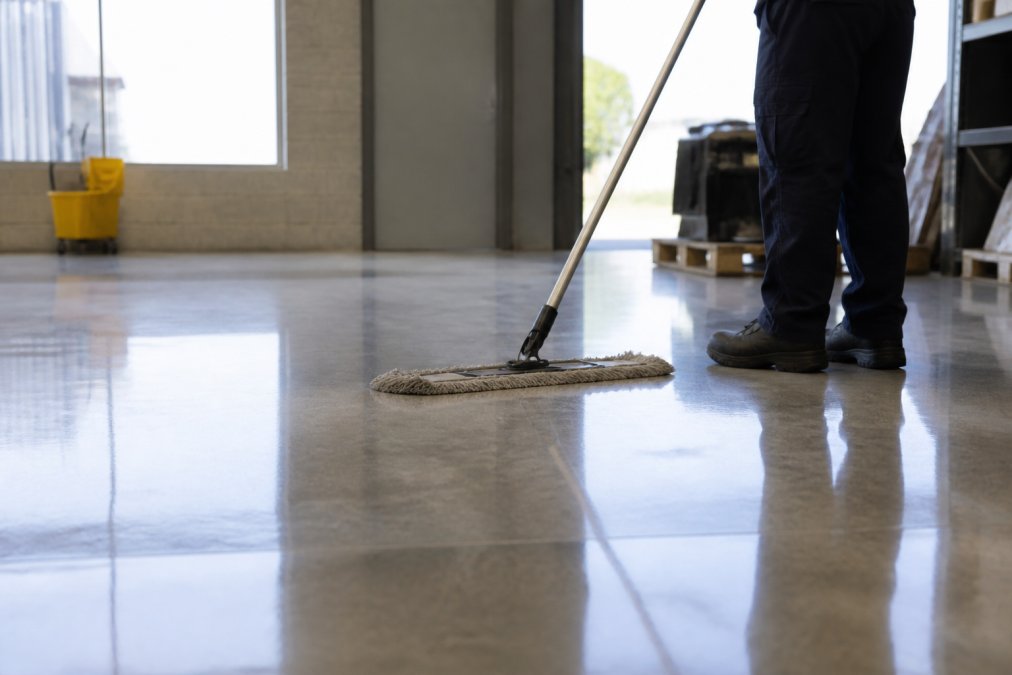
Table of Contents
- Why Polished Concrete Floor Maintenance Matters for Commercial Spaces
- Polished Concrete Cleaning Schedule: Daily, Weekly, and Monthly Tasks
- Commercial Concrete Floor Cleaning Equipment You Need
- How to Remove Stains from Polished Concrete
- Preventative Maintenance Strategies to Extend Floor Life
- Polished Concrete Maintenance Cost and ROI for Facilities
- Sustainability and Eco-Friendly Cleaning Approaches
- Troubleshooting Common Polished Concrete Floor Issues
Last Updated: August 6, 2026
Why Polished Concrete Floor Maintenance Matters for Commercial Spaces
A well-maintained polished concrete floor is a smart investment for commercial property. Unlike traditional flooring, polished concrete delivers durability, aesthetic appeal, and long-term cost efficiency when properly cared for. At Concrete-Enhancements, we've worked with facility managers across the Raleigh-Durham Triangle and NC Triad for over 20 years, and one pattern emerges consistently: floors that look best and perform longest have intentional maintenance schedules.
Without a structured approach, even high-quality polished concrete loses gloss, develops surface damage, and eventually requires costly restoration or replacement. A minimal maintenance routine extends floor life by years and preserves appearance. This guide covers daily, weekly, and monthly tasks, equipment needed, cleaning agents that won't damage the surface, stain removal techniques, and preventative strategies that separate floors that last from ones that deteriorate.
Polished Concrete Cleaning Schedule: Daily, Weekly, and Monthly Tasks
A polished concrete floor maintenance routine prevents dirt accumulation and extends surface life through three consistent timeframes: daily sweeping and dust mopping, weekly wet cleaning, and monthly deep cleaning.
Daily dust mopping and sweeping
Start each day with dust mopping using a microfiber mop to remove dust, dirt, and debris before they get ground into the surface by foot traffic. Microfiber captures particles more effectively than cotton mops and doesn't leave residue. Sweep or vacuum high-traffic areas first, then dust mop the entire floor in a consistent pattern. This takes 15-30 minutes depending on floor size and should happen before regular traffic begins.
Dust and embedded soil act like abrasion agents. When people walk on dust-covered floors, their shoes grind particles into the surface, causing micro-scratches that accumulate into visible wear over weeks and months.
Weekly wet cleaning procedures
Once a week, perform wet cleaning using pH-neutral cleaners diluted to the correct ratio. Fill a bucket with water and add pH-neutral cleaner according to the product's dilution instructions, typically 1 part cleaner to 10-20 parts water. Test the dilution on an inconspicuous area first.
Use a microfiber mop or soft-bristled brush to apply the solution and scrub gently in circular motions, focusing on high-traffic zones. Avoid excessive water pooling; wring out the mop so it's damp, not dripping. After scrubbing, rinse thoroughly with clean water. Any residual cleaner left on the surface creates a dull film or becomes slippery.
Monthly deep cleaning and scrubbing
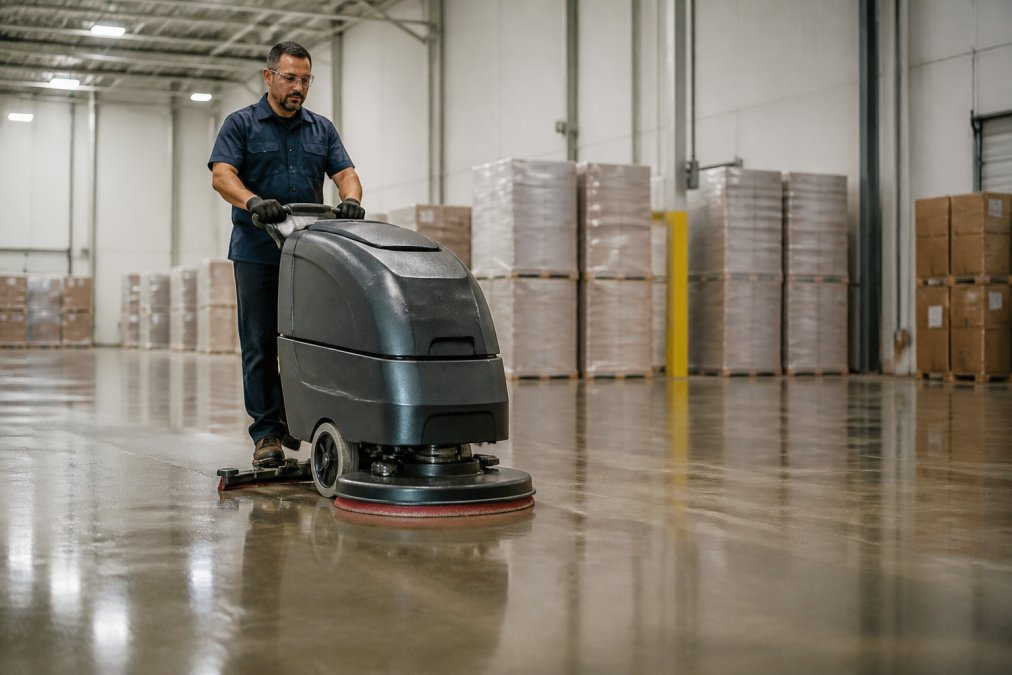
Once a month, perform deeper cleaning using an auto-scrubber or handheld scrubbing equipment to address embedded soil and stubborn stains. An auto-scrubber applies water, detergent, and mechanical scrubbing action simultaneously, then vacuums up dirty water in one pass. Pad pressure should be set according to floor condition and manufacturer recommendations. Too much pressure damages the sealer; too little leaves soil behind.
If using a handheld approach, apply pH-neutral cleaner solution and scrub with a soft-bristled or nylon brush in overlapping circular patterns, paying extra attention to corners and stained areas. Rinse thoroughly with clean water and dry completely.
Commercial Concrete Floor Cleaning Equipment You Need
Effective polished concrete floor maintenance depends on having the right tools. Poor equipment leads to inconsistent results, longer cleaning times, and potential surface damage.
Auto-scrubbers and pad pressure selection
An auto-scrubber is the most efficient tool for commercial polished concrete floor maintenance at scale. When selecting one, pay attention to pad pressure, the downward force applied by cleaning pads, measured in pounds per square inch (PSI). For polished concrete, lower pad pressure (typically 50-100 PSI) is safer than high pressure, which damages the sealer and underlying surface.
Machine size matters too. Smaller machines (17-20 inch deck) work well for tight spaces; larger machines (24-28 inch deck) cover more area faster and suit large warehouses or retail spaces. Use soft pads designed for polished concrete, typically white or beige pads rated for light to medium scrubbing. Replace pads regularly; worn pads lose effectiveness and can scratch the surface.
Maintain the auto-scrubber by emptying the dirty water tank after each use, rinsing the clean water tank, and inspecting hoses and connections for leaks.
Microfiber mops and equipment maintenance
Microfiber mops are essential for daily dust mopping and weekly wet cleaning. Choose mops with microfiber pads that are washable and replaceable rather than disposable. After each use, rinse mop heads thoroughly with clean water. Weekly, wash mop heads in hot water without fabric softener. Replace mop heads when they show visible wear or reduced absorbency, typically after 30-50 uses.
Store equipment in a clean, dry area away from direct sunlight.
How to Remove Stains from Polished Concrete
Stains on polished concrete come from different sources and require different approaches.
Identifying stain type and remediation approach
Oil-based stains (from machinery, vehicles, or spills) appear dark and glossy and penetrate the sealer. Water-based stains (from beverages, cleaners, or minerals) appear lighter and often leave rings. Organic stains (from food, plants, or biological growth) appear brown, green, or black.
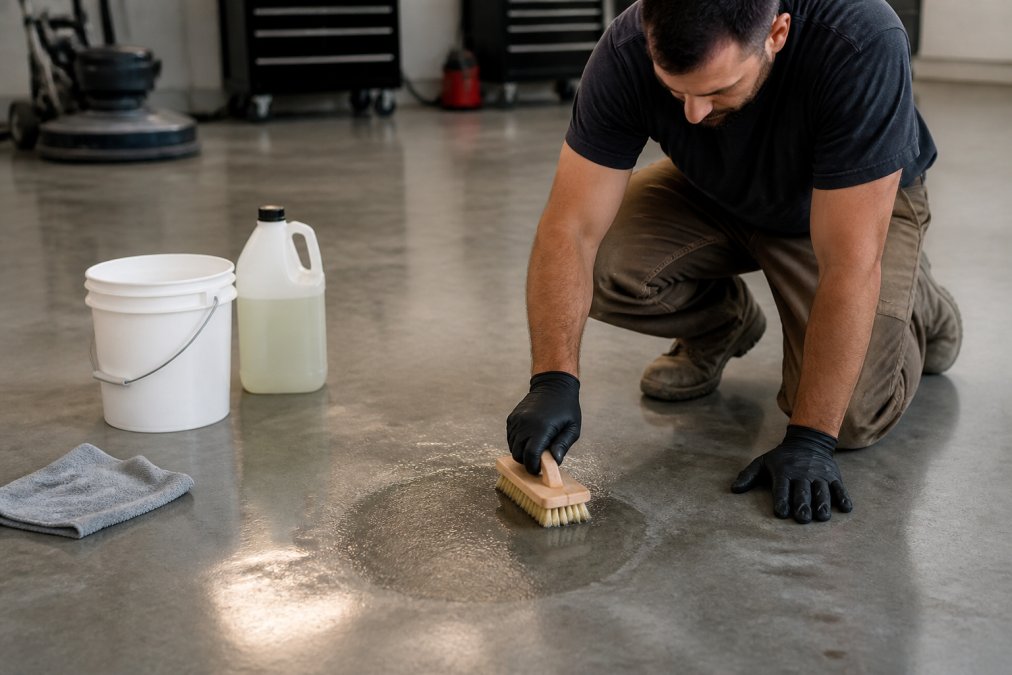
For oil stains, apply a degreaser formulated for polished concrete. Let it sit for the time specified by the manufacturer (typically 5-15 minutes), then scrub gently with a soft brush and rinse thoroughly. For water-based stains, a pH-neutral cleaner usually works. For organic stains, an enzymatic cleaner or mild bleach solution (1 part bleach to 10 parts water) can be effective. Apply, let sit briefly, scrub gently, and rinse very thoroughly. Bleach is harsh and can affect the sealer, so use it only when other methods fail.
pH-neutral cleaners and dilution ratios
pH-neutral cleaners are the safest choice for routine polished concrete floor maintenance. Always follow the manufacturer's dilution instructions. A typical ratio is 1 part cleaner to 10-20 parts water, but this varies. Using too much cleaner leaves residue and can damage the sealer. Using too little reduces cleaning effectiveness.
Mix the solution in a clean bucket. Apply with a microfiber mop or soft brush, scrub gently in circular motions, then rinse with clean water. For stubborn stains, increase the concentration slightly or extend the dwell time rather than applying excessive force.
Preventative Maintenance Strategies to Extend Floor Life
Preventative maintenance stops problems before they start. Three strategies, sealer reapplication, high-traffic area management, and protective measures, extend polished concrete floor life significantly.
Sealer reapplication and surface protection
Polished concrete floors are sealed during installation to protect the surface from stains, moisture, and wear. Over time, the sealer wears away from foot traffic, cleaning, and UV exposure. High-traffic commercial spaces typically need resealing every 1-3 years. Lower-traffic areas may go 3-5 years. The best indicator is appearance: if the floor is losing gloss or stains are becoming harder to remove, it's time to reseal.
Resealing requires thorough cleaning first. Any dirt, dust, or residue will be sealed in, creating a dull appearance. Deep clean the entire floor, let it dry completely, then apply a new sealer coat according to the product's instructions. Most sealers require 24-48 hours of curing before the floor can handle traffic. Sealer reapplication is best handled by professional services, which ensures proper application, even coverage, and optimal curing.
Call (919) 824-5403 or email craigrfear@gmail.com for a free estimate →
High-traffic area management and slip resistance
High-traffic zones experience accelerated wear. Manage these areas by increasing cleaning frequency in those zones. Daily dust mopping and weekly wet cleaning should focus extra attention on these spots. Monthly deep cleaning should spend more time scrubbing high-traffic areas.
Consider slip resistance in high-traffic zones, especially near entryways where water or moisture is common. Anti-slip treatments are available for polished concrete and create micro-texture that increases traction without significantly affecting appearance. Entrance mats placed at doorways reduce the amount of soil tracked onto the floor and provide a transition area where people can wipe their shoes.
Polished Concrete Maintenance Cost and ROI for Facilities
Understanding the financial case for polished concrete floor maintenance helps justify the investment to stakeholders and budgets.
Maintenance costs for polished concrete are lower than many alternative flooring types. Daily and weekly cleaning requires labor, typically 1-2 hours per week for a 5,000 square foot facility. Equipment costs are moderate: microfiber mops cost $20-50 each and last dozens of uses; pH-neutral cleaners cost $15-40 per gallon; auto-scrubbers are often rented rather than purchased.
Monthly deep cleaning and annual sealer reapplication add to the cost but extend the floor's usable life substantially. A well-maintained polished concrete floor lasts 10-15 years or longer. Poorly maintained floors deteriorate visibly within 3-5 years and may require costly restoration or replacement. The return on investment comes from extended floor life, reduced replacement frequency, and preserved aesthetic appeal.
Concrete-Enhancements provides sealer reapplication and deep cleaning services for facilities that prefer professional maintenance. Pricing depends on floor size, traffic level, and current condition, so a free estimate is the best way to understand costs for your specific situation.
Sustainability and Eco-Friendly Cleaning Approaches
Polished concrete itself is a sustainable flooring choice; it uses existing concrete rather than adding new materials and lasts decades with proper care. Choose pH-neutral, biodegradable cleaners over harsh chemicals. These break down naturally in wastewater systems and don't accumulate in the environment.
Microfiber mops are more sustainable than disposable options. Washable microfiber pads reduce waste and cost less over time than single-use alternatives. Water use is another consideration. Efficient cleaning techniques minimize water waste. Wring out mops thoroughly so they're damp rather than soaking, and use just enough cleaning solution to address the task. Auto-scrubbers are more water-efficient than manual mopping because they recover and reuse water in a single pass.
Extending floor life through preventative maintenance is inherently sustainable. A floor that lasts 15 years instead of 10 reduces the environmental impact of manufacturing, transporting, and installing replacement flooring.
Troubleshooting Common Polished Concrete Floor Issues
Even with consistent maintenance, polished concrete floors can develop problems. Understanding the cause guides the solution.
Efflorescence, abrasion, and surface integrity problems
Efflorescence appears as a white, powdery film on the concrete surface. It's caused by water moving through the concrete and carrying salts to the surface, where they crystallize. It signals that moisture is present in the concrete. To address efflorescence, identify and fix the moisture source first. Once the source is controlled, efflorescence can be removed with a stiff brush or light acid wash (very dilute), followed by thorough rinsing and complete drying.
Abrasion appears as dull patches, scuffs, or worn areas where the sealer has been removed by friction. High-traffic zones are most vulnerable. Abrasion is prevented through consistent cleaning and maintenance; once it occurs, the affected area needs resealing to restore protection.
Surface integrity issues, cracks, spalling (surface chipping), or pitting, indicate deeper structural problems. Minor cracks can be filled with epoxy or polyurethane crack fillers. Spalling or pitting usually requires professional repair.
Commercial polished concrete floor maintenance is straightforward but requires consistency. A structured schedule of daily dust mopping, weekly wet cleaning, and monthly deep cleaning prevents most problems before they start. Investing in proper equipment, microfiber mops, pH-neutral cleaners, and an auto-scrubber, makes the work efficient and effective. Preventative sealing and high-traffic area management extend floor life by years, reducing long-term costs and preserving the aesthetic appeal that makes polished concrete valuable.
For facility managers in the Raleigh-Durham Triangle, NC Triad, and Coastal SC who want professional support with sealer reapplication, deep cleaning, or floor restoration, Concrete-Enhancements offers comprehensive services backed by 20+ years of experience and CTi Certified Dealer credentials. Contact us at (919) 824-5403 or craigrfear@gmail.com for a free estimate and expert guidance tailored to your facility's specific needs.
Frequently Asked Questions
How often should you clean polished concrete floors?
Daily dust mopping is essential to prevent embedded soil and abrasion. Weekly wet cleaning with pH-neutral cleaners maintains gloss retention and surface integrity. Monthly deep scrubbing removes buildup in high-traffic areas. The exact frequency depends on foot traffic volume and facility type, a retail showroom may need daily attention, while a warehouse with moderate use might require cleaning every other day. Establish a polished concrete cleaning schedule based on your specific traffic patterns and dust accumulation.
What is the best cleaner for commercial polished concrete?
Use pH-neutral cleaners specifically formulated for polished concrete. Avoid acidic or alkaline products that damage the sealer and surface protection. Dilution ratio matters: follow manufacturer instructions carefully, typically 1:10 to 1:20 depending on soil level. For embedded soil, auto-scrubbers with appropriate pad pressure work better than manual mopping. Deionized water reduces mineral deposits. Always test any new cleaning agent on an inconspicuous area first to verify chemical resistance and gloss retention.
How do you remove scuff marks and stains from polished concrete?
First, identify the stain type, oil, water-based, or mineral. Light scuffs often respond to microfiber mopping with pH-neutral cleaner. For stubborn stains, apply cleaner, let it sit briefly, then scrub with appropriate pad pressure on an auto-scrubber. Avoid abrasion that damages the densifier layer. Efflorescence (white haze) requires specialized efflorescence removers. For deep stains, professional stain remediation may be necessary. Always work from the outside of the stain inward to prevent spreading.
What should you avoid using on polished concrete floors?
Never use acidic cleaners (vinegar, citric acid), alkaline strippers, or oil-based products, these degrade the sealer and surface protection. Avoid abrasive scrubbing pads that cause excessive abrasion and reduce gloss. Do not use wax or traditional floor finishes; they interfere with polished concrete's natural shine. Skip bleach and harsh chemicals that compromise chemical resistance. Do not allow standing water or moisture to sit, as this causes efflorescence and staining. Stick to pH-neutral, concrete-specific cleaners and proper maintenance protocols.
Do polished concrete floors require professional maintenance?
Daily and weekly maintenance can be handled in-house with proper training and equipment. However, professional maintenance is recommended annually or semi-annually for deep cleaning, sealer reapplication, and burnishing to restore gloss retention. Professional facility managers assess surface integrity, identify early damage, and perform stain remediation that in-house staff cannot handle. Professional equipment and expertise ensure your floor longevity and maintain the benefits of polished concrete, durability, aesthetics, and ease of cleaning.
How much does polished concrete floor maintenance cost annually?
Maintenance costs vary based on square footage, traffic volume, and local labor rates. In-house daily cleaning is minimal, primarily staff time and pH-neutral cleaner supplies. Professional deep cleaning and sealer reapplication typically range from affordable to moderate depending on facility size. The ROI is significant: proper preventative maintenance extends floor longevity by years, reduces costly repairs, and maintains property value. Contact Concrete-Enhancements for a customized maintenance cost estimate based on your specific commercial space.
Can you use a floor buffer or auto-scrubber on polished concrete?
Yes, auto-scrubbers are ideal for commercial polished concrete maintenance when used correctly. Proper pad pressure is critical, too much causes abrasion and damage, too little leaves soil embedded. Use soft to medium pads for routine cleaning, harder pads only for deep scrubbing. Microfiber pads are gentler and more effective than traditional materials. Floor buffers for burnishing are acceptable but require skill to avoid creating uneven gloss. Always follow equipment manufacturer guidelines and test on a small area first.
This article was written using GrandRanker
Frequently Asked Questions
Daily dust mopping is essential to prevent embedded soil and abrasion. Weekly wet cleaning with pH-neutral cleaners maintains gloss retention and surface integrity. Monthly deep scrubbing removes buildup in high-traffic areas. The exact frequency depends on foot traffic volume and facility type—a retail showroom may need daily attention, while a warehouse with moderate use might require cleaning every other day. Establish a polished concrete cleaning schedule based on your specific traffic patterns and dust accumulation.
Use pH-neutral cleaners specifically formulated for polished concrete. Avoid acidic or alkaline products that damage the sealer and surface protection. Dilution ratio matters: follow manufacturer instructions carefully, typically 1:10 to 1:20 depending on soil level. For embedded soil, auto-scrubbers with appropriate pad pressure work better than manual mopping. Deionized water reduces mineral deposits. Always test any new cleaning agent on an inconspicuous area first to verify chemical resistance and gloss retention.
First, identify the stain type—oil, water-based, or mineral. Light scuffs often respond to microfiber mopping with pH-neutral cleaner. For stubborn stains, apply cleaner, let it sit briefly, then scrub with appropriate pad pressure on an auto-scrubber. Avoid abrasion that damages the densifier layer. Efflorescence (white haze) requires specialized efflorescence removers. For deep stains, professional stain remediation may be necessary. Always work from the outside of the stain inward to prevent spreading.
Never use acidic cleaners (vinegar, citric acid), alkaline strippers, or oil-based products—these degrade the sealer and surface protection. Avoid abrasive scrubbing pads that cause excessive abrasion and reduce gloss. Do not use wax or traditional floor finishes; they interfere with polished concrete's natural shine. Skip bleach and harsh chemicals that compromise chemical resistance. Do not allow standing water or moisture to sit, as this causes efflorescence and staining. Stick to pH-neutral, concrete-specific cleaners and proper maintenance protocols.
Daily and weekly maintenance can be handled in-house with proper training and equipment. However, professional maintenance is recommended annually or semi-annually for deep cleaning, sealer reapplication, and burnishing to restore gloss retention. Professional facility managers assess surface integrity, identify early damage, and perform stain remediation that in-house staff cannot handle. Professional equipment and expertise ensure your floor longevity and maintain the benefits of polished concrete—durability, aesthetics, and ease of cleaning.
Maintenance costs vary based on square footage, traffic volume, and local labor rates. In-house daily cleaning is minimal—primarily staff time and pH-neutral cleaner supplies. Professional deep cleaning and sealer reapplication typically range from affordable to moderate depending on facility size. The ROI is significant: proper preventative maintenance extends floor longevity by years, reduces costly repairs, and maintains property value. Contact Concrete-Enhancements for a customized maintenance cost estimate based on your specific commercial space.
Yes, auto-scrubbers are ideal for commercial polished concrete maintenance when used correctly. Proper pad pressure is critical—too much causes abrasion and damage, too little leaves soil embedded. Use soft to medium pads for routine cleaning, harder pads only for deep scrubbing. Microfiber pads are gentler and more effective than traditional materials. Floor buffers for burnishing are acceptable but require skill to avoid creating uneven gloss. Always follow equipment manufacturer guidelines and test on a small area first.