ultimate-guide
Durable Concrete Floor Coatings Raleigh: Ultimate Guide
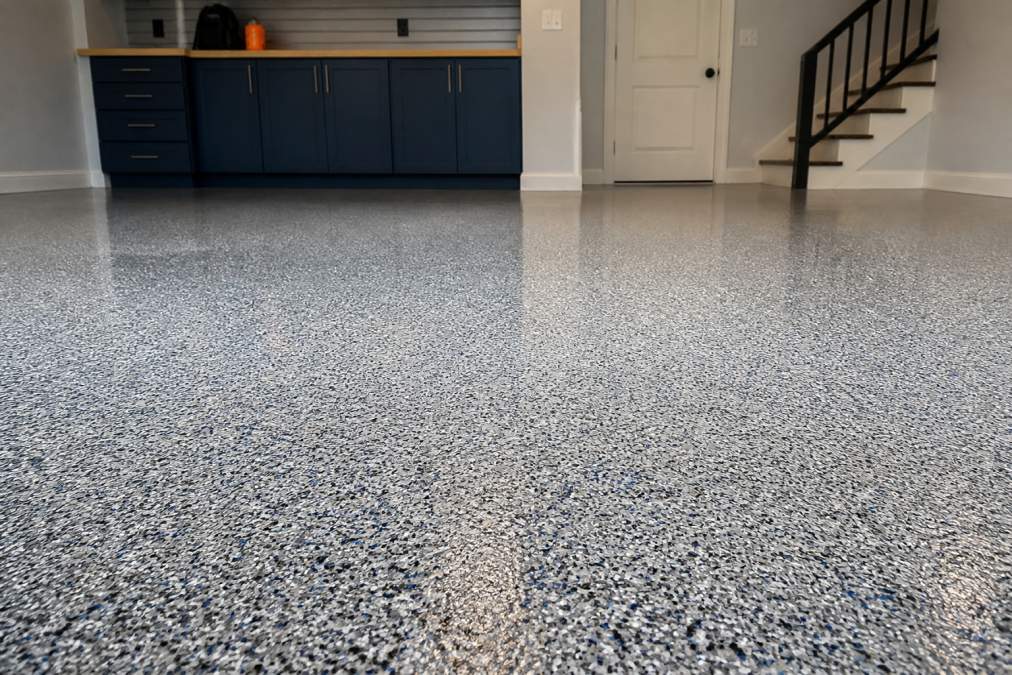
Table of Contents
- What Are Durable Concrete Floor Coatings and Why Raleigh Property Owners Choose Them
- Epoxy vs. Polyaspartic: Which Coating System Performs Best for Garage Floors
- Benefits of Concrete Floor Coatings for Residential and Commercial Spaces
- Cost of Concrete Floor Coating in Raleigh: What Affects Your Investment
- Installation Process: From Substrate Preparation to Seamless Finish
- Garage Floor Coating Maintenance Tips and Long-Term Care
- DIY vs. Professional Installation: Cost-Benefit Analysis for Raleigh Homeowners
- Repairing Damaged Concrete Before Coating: When and How
Last Updated: August 3, 2026
What Are Durable Concrete Floor Coatings and Why Raleigh Property Owners Choose Them
Durable concrete floor coatings Raleigh applications transform ordinary concrete into long-lasting, visually appealing surfaces that withstand heavy use, chemical exposure, and temperature fluctuations. The right coating system isn't just about aesthetics, it's about investing in a surface that performs reliably for years.
Concrete floor coatings create a non-porous barrier that prevents moisture penetration, resists staining from oils and chemicals, and dramatically improves slip resistance for safety-critical areas. Whether you're renovating a residential garage, upgrading a commercial warehouse, or refreshing a church fellowship hall, selecting the right coating system determines whether your investment pays dividends or requires costly repairs within a few years.
The Raleigh area presents unique environmental challenges that make proper coating selection critical. High humidity, temperature swings between seasons, and exposure to road salt in winter conditions all accelerate concrete deterioration. A quality coating system addresses these specific regional concerns while providing the durability homeowners and business managers expect.
Epoxy vs. Polyaspartic: Which Coating System Performs Best for Garage Floors
The choice between epoxy resin and polyaspartic coatings fundamentally changes your project timeline, cost structure, and long-term maintenance requirements. Both systems offer excellent protection, but they excel in different situations.
Epoxy Resin Coatings: Strength and Application
Epoxy resin coatings deliver exceptional chemical resistance and impact durability that makes them the industry standard for high-traffic commercial spaces and industrial facilities. Once fully cured, epoxy provides outstanding protection against gasoline, oil, brake fluid, and most common industrial chemicals.
Epoxy typically needs 24-48 hours of curing time before foot traffic is safe, and full strength development takes 7 days or longer. This extended cure window means your space remains unusable during installation, a significant consideration for active garages or commercial operations. However, the extended cure time allows epoxy to develop its superior hardness and chemical resistance characteristics.
Polyaspartic Coatings: Speed and Flexibility
Polyaspartic coatings solve the time-constraint problem that limits epoxy in many residential and commercial applications. These fast-curing systems reach full cure in just 4-8 hours, allowing foot traffic within a single day and heavy equipment use within 24 hours.
Beyond speed, polyaspartic coatings offer superior flexibility compared to rigid epoxy systems. The molecular structure allows the coating to expand and contract with concrete temperature changes without cracking or peeling, a critical advantage in the Raleigh climate where seasonal temperature swings can exceed 40 degrees.
Benefits of Concrete Floor Coatings for Residential and Commercial Spaces
Enhanced safety represents one of the most underestimated benefits. Uncoated concrete becomes slippery when wet, creating liability concerns in commercial spaces and hazards in residential garages. Quality coatings incorporate anti-slip additives or textured finishes that maintain traction even on wet surfaces.
The aesthetic transformation proves immediately visible. Durable concrete floor coatings Raleigh installations offer decorative options ranging from solid colors to metallic finishes and decorative flake patterns, increasing perceived property value and creating more inviting spaces.
Maintenance demands drop dramatically once a proper coating system is installed. Sealed concrete resists staining from oil, grease, and common household chemicals. The non-porous surface created by quality coatings eliminates dust generation from concrete deterioration, improving air quality and reducing product contamination. Moisture protection prevents the concrete deterioration cycle that leads to spalling, crumbling, and structural damage, extending concrete lifespan by decades.
Cost of Concrete Floor Coating in Raleigh: What Affects Your Investment
Substrate condition significantly impacts project costs. Concrete requiring extensive grinding, repair, or leveling costs substantially more than well-maintained surfaces. Typically, 40-60% of project cost involves substrate preparation rather than the coating material itself.
Surface area directly correlates with material and labor costs. Larger spaces require more coating material and labor, though per-square-foot costs often decrease for larger projects due to economies of scale.
The coating system selected affects cost significantly. Epoxy systems typically cost less than polyaspartic alternatives due to longer cure times and simpler application processes. Decorative options like flake, metallic finishes, or custom color matching also influence pricing.
Environmental conditions during installation affect costs. Cold weather projects require heated enclosures or special formulations, increasing expenses. Seasonal timing of your project can meaningfully impact final costs.
For specific pricing on durable concrete floor coatings Raleigh projects, contact Concrete-Enhancements directly for a free estimate.
Installation Process: From Substrate Preparation to Seamless Finish
The difference between coatings that last decades and those that fail within years lies largely in installation quality and preparation rigor.
Concrete Grinding and Diamond Tooling
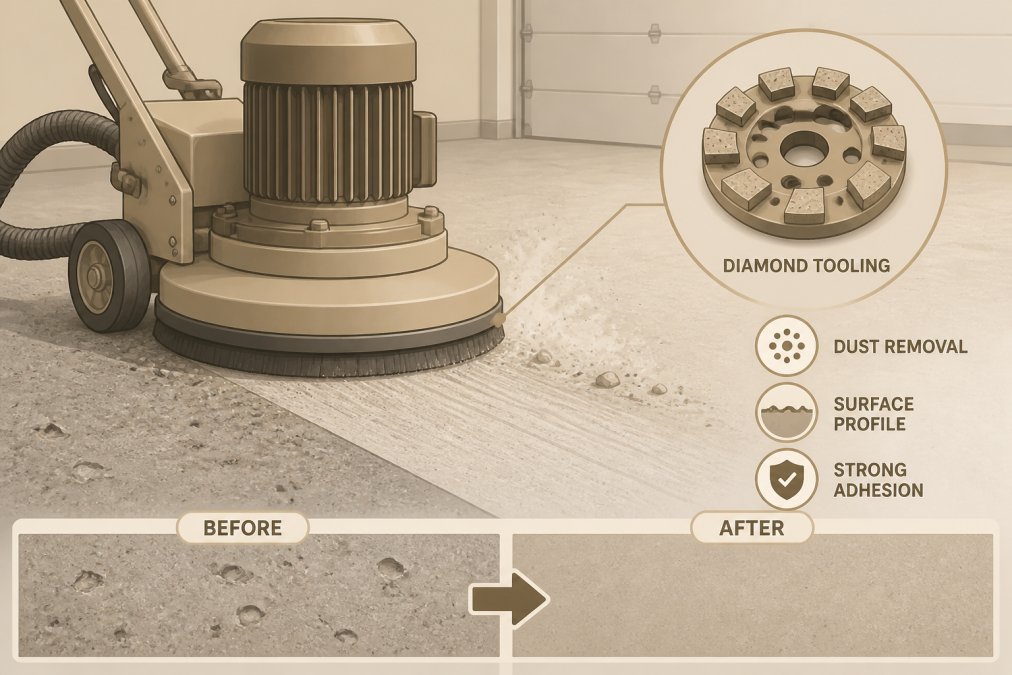
Substrate preparation determines coating success more than any other factor. Concrete surfaces require grinding to remove contaminants, existing coatings, and surface imperfections that prevent new coating adhesion. Diamond tooling removes the top layer of concrete to expose a clean, porous surface ready for coating application. Professional grinding equipment removes dust effectively through integrated vacuum systems, preventing airborne contamination during preparation.
Moisture Mitigation and Vapor Barriers
Moisture represents the primary cause of coating failure in the Raleigh area. Concrete naturally wicks moisture from soil and groundwater, and this moisture vapor transmission can undermine coatings that lack proper moisture management.
Testing concrete moisture content before coating installation prevents costly failures. Moisture readings exceeding acceptable thresholds require mitigation strategies before coating application. Moisture vapor barriers, specialized primer systems that allow concrete to breathe while preventing liquid water penetration, address this critical issue.
Base Coat and Topcoat Application
Quality coating systems use a two-component approach: a base coat that bonds to prepared concrete and a topcoat that provides color, protection, and final appearance. Application technique significantly affects final results. Professional installers maintain consistent coating thickness and ensure complete surface coverage without thin spots or bare areas.
Environmental conditions during application matter tremendously. Temperature, humidity, and air movement all affect how coating materials cure and flow.
Garage Floor Coating Maintenance Tips and Long-Term Care
Regular sweeping removes dirt and debris that could scratch the surface. Mopping with pH-neutral cleaners maintains the coating surface without degradation. Mild dish soap and water handles most cleaning needs effectively.
Spills should be cleaned promptly. Oil, gasoline, and chemical spills won't permanently stain sealed concrete, but extended contact with certain substances can cause discoloration. Avoid harsh scrubbing or abrasive cleaning methods that can scratch or dull the coating surface. Soft-bristle brushes work effectively without damaging the finish.
Pressure washing can damage coatings if pressure exceeds manufacturer recommendations, typically 1500 PSI maximum. Recoating or refreshing the topcoat every 5-10 years maintains appearance and extends protection, particularly in high-traffic areas.
DIY vs. Professional Installation: Cost-Benefit Analysis for Raleigh Homeowners
DIY coating failures occur frequently due to inadequate substrate preparation, improper environmental conditions, incorrect application technique, or use of inappropriate materials. When DIY coatings fail, complete removal and reinstallation becomes necessary, often costing more than professional installation would have cost initially.
Professional installers bring specialized equipment, expertise, and accountability. They assess moisture conditions, identify substrate problems, and implement appropriate solutions. The time investment for DIY projects often exceeds expectations. Proper substrate preparation requires days of grinding, cleaning, and moisture assessment. For commercial operations, facility downtime costs during DIY installation often exceed professional installation costs.
Repairing Damaged Concrete Before Coating: When and How
Existing concrete damage must be addressed before coating installation. Failing to repair damage results in coatings that fail prematurely or fail to adhere properly.
Minor cracks, hairline fractures less than 1/8 inch wide, can be sealed with epoxy injection before coating application. Spalling, where concrete surface layers chip or flake away, requires removal of loose concrete and patching with concrete repair compounds. Uneven surfaces created by settled concrete or erosion require leveling before coating.
Moisture damage indicated by efflorescence (white salt deposits on concrete surface) requires cleaning and moisture mitigation before coating. Large cracks exceeding 1/4 inch wide may indicate structural movement and require professional assessment before coating installation.
Decorative Options: Flake, Metallic, and Slip-Resistant Finishes
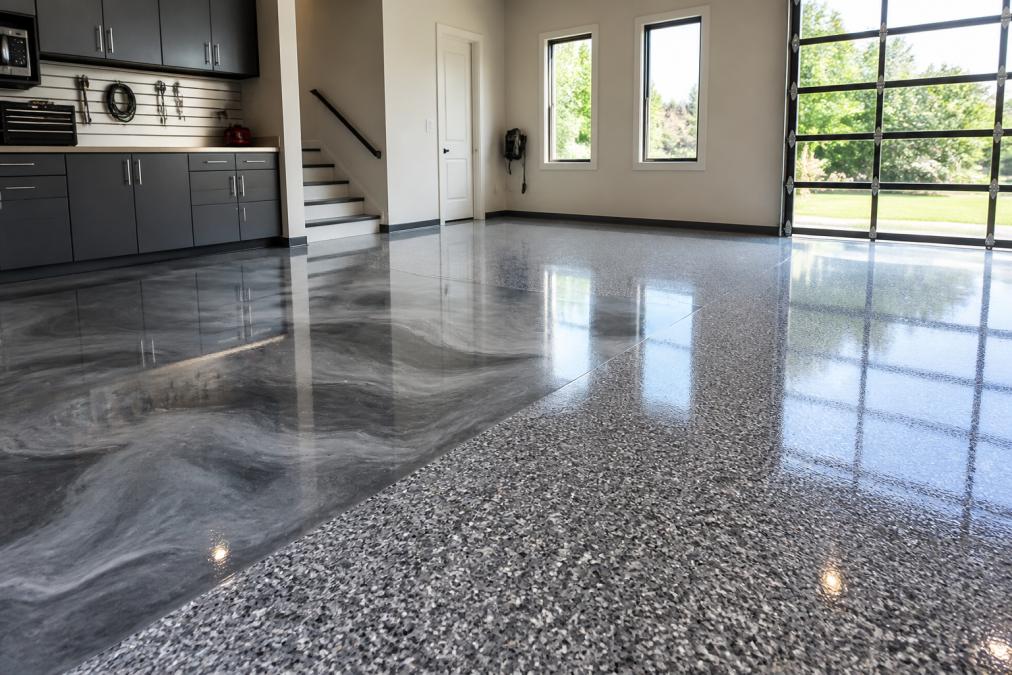
Decorative flake systems incorporate colored vinyl or acrylic flakes into the topcoat, creating a speckled appearance reminiscent of granite or terrazzo. These systems offer aesthetic appeal while maintaining excellent durability and slip resistance. The flakes hide minor surface imperfections and reduce gloss reflection that can create eye strain in bright spaces.
Metallic finishes create three-dimensional visual effects through specialized pigments that shift appearance based on viewing angle and lighting. These premium finishes transform ordinary garage floors into striking design features, working particularly well in showrooms, retail spaces, and residential garages.
Solid color options provide clean, modern aesthetics that complement most interior designs. Light colors create brighter, more spacious-feeling environments. Dark colors hide dirt and stains more effectively.
Slip-resistant finishes address safety concerns in areas prone to moisture exposure. These systems incorporate grit additives or textured finishes that maintain traction on wet surfaces. UV-stable topcoats prevent color fading in areas exposed to direct sunlight.
Protecting your concrete investment requires understanding the systems available, installation requirements, and maintenance expectations. Whether you're renovating a residential garage, upgrading commercial warehouse flooring, or refreshing a church fellowship hall, the right coating system transforms concrete into a durable, attractive surface that performs reliably for decades.
Concrete-Enhancements brings 20+ years of experience to durable concrete floor coatings Raleigh projects. As a CTi Certified Dealer, we assess your specific conditions, recommend appropriate coating systems, and execute professional installation that delivers lasting results. Contact Concrete-Enhancements at (919) 824-5403 or craigrfear@gmail.com for a free estimate and professional assessment of your concrete coating needs.
Frequently Asked Questions
What makes polyaspartic coatings better than epoxy for garage floors?
Polyaspartic coatings cure significantly faster than epoxy resin, often ready for use in 24 hours versus 5-7 days for epoxy. Polyaspartic also offers superior UV stability, resisting yellowing and fading in sunlit spaces. Both provide chemical resistance and durability, but polyaspartic's rapid curing and flexibility in temperature changes make it ideal for garages that experience thermal shock from seasonal temperature swings common in Raleigh.
How often do I need to maintain my concrete floor coating?
Most durable concrete floor coatings require minimal maintenance. Regular sweeping and occasional damp mopping with mild soap keep the surface clean. Avoid harsh chemicals and abrasive cleaners that can damage the topcoat. Depending on foot traffic and environmental exposure, professional recoating or touch-ups may be needed every 5-10 years. High-traffic commercial spaces may require more frequent maintenance than residential garage floors.
Can concrete floor coatings really fix a hot pool deck surface?
Specialized slip-resistant coatings can reduce surface temperature and provide better grip on hot pool decks, but they don't eliminate heat absorption entirely. Light-colored coatings reflect more sunlight than dark finishes, helping to lower surface temperature. Adding a slip-resistant topcoat improves safety and comfort. For maximum cooling effect, consult a professional about color selection and coating type, as some formulations are specifically designed for pool deck applications in warm climates.
What's the difference between DIY epoxy and professional concrete floor coating installation?
Professional installation includes proper substrate preparation using concrete grinding and diamond tooling, moisture testing with vapor barrier application if needed, and climate-controlled application conditions. DIY projects often skip moisture mitigation, leading to peeling and failure within 1-2 years. Professionals ensure correct base coat and topcoat thickness, proper curing time, and warranty coverage. While DIY costs less upfront, professional installation delivers durability that justifies the investment for most Raleigh property owners.
This article was written using GrandRanker
Frequently Asked Questions
Polyaspartic coatings cure significantly faster than epoxy resin, often ready for use in 24 hours versus 5-7 days for epoxy. Polyaspartic also offers superior UV stability, resisting yellowing and fading in sunlit spaces. Both provide chemical resistance and durability, but polyaspartic's rapid curing and flexibility in temperature changes make it ideal for garages that experience thermal shock from seasonal temperature swings common in Raleigh.
Most durable concrete floor coatings require minimal maintenance. Regular sweeping and occasional damp mopping with mild soap keep the surface clean. Avoid harsh chemicals and abrasive cleaners that can damage the topcoat. Depending on foot traffic and environmental exposure, professional recoating or touch-ups may be needed every 5-10 years. High-traffic commercial spaces may require more frequent maintenance than residential garage floors.
Specialized slip-resistant coatings can reduce surface temperature and provide better grip on hot pool decks, but they don't eliminate heat absorption entirely. Light-colored coatings reflect more sunlight than dark finishes, helping to lower surface temperature. Adding a slip-resistant topcoat improves safety and comfort. For maximum cooling effect, consult a professional about color selection and coating type, as some formulations are specifically designed for pool deck applications in warm climates.
Professional installation includes proper substrate preparation using concrete grinding and diamond tooling, moisture testing with vapor barrier application if needed, and climate-controlled application conditions. DIY projects often skip moisture mitigation, leading to peeling and failure within 1-2 years. Professionals ensure correct base coat and topcoat thickness, proper curing time, and warranty coverage. While DIY costs less upfront, professional installation delivers durability that justifies the investment for most Raleigh property owners.