how-to
Hiring Professional Concrete Restoration Services
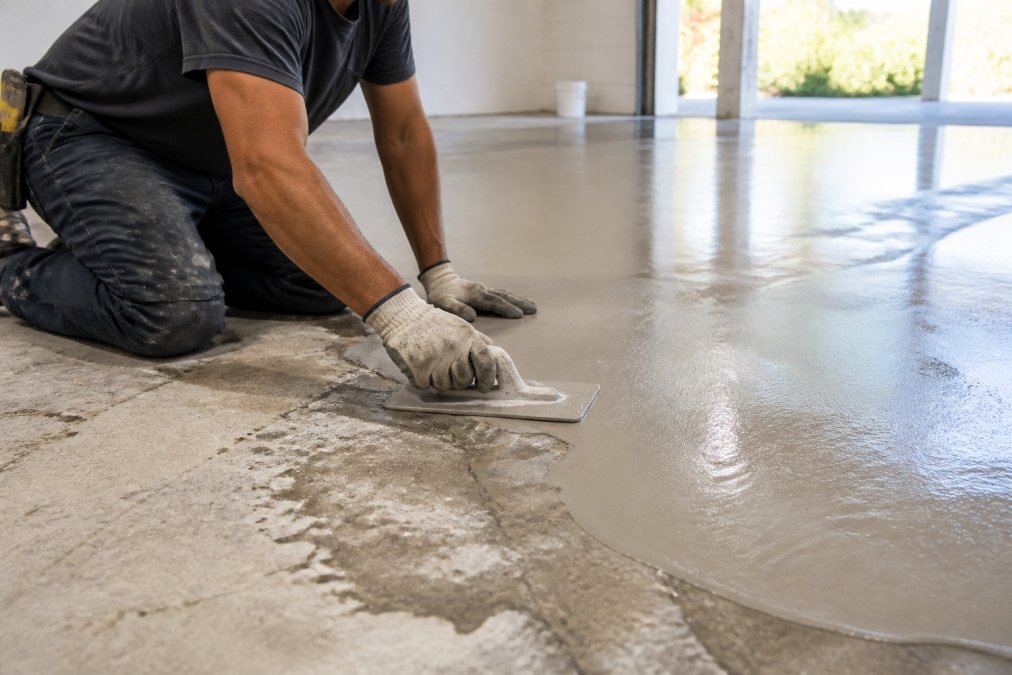
Table of Contents
- Signs of Structural Concrete Damage
- Understanding Concrete Restoration vs. Replacement
- Questions to Ask Concrete Contractors
- How to Verify Contractor Licensing and Insurance
- Concrete Restoration Cost Per Square Foot
- What Professional Concrete Restoration Services Include
- Vetting Your Concrete Restoration Contractor
- Conclusion
Last Updated: August 11, 2026
Signs of Structural Concrete Damage
Concrete damage often starts small, hairline cracks, discoloration, slight unevenness, but by the time you notice it, the underlying problem has usually been developing for months. Understanding what to look for is essential to determining whether you need professional concrete restoration services or if the damage is cosmetic.
Visible cracks are the most obvious warning sign, but not all cracks mean the same thing. Hairline cracks (less than 1/8 inch wide) that don't grow are often just surface shrinkage and may not require immediate attention. Wider cracks, especially those that grow over time or run diagonally, signal structural movement or settlement. Spalling, where the concrete surface flakes away and exposes the aggregate underneath, indicates moisture penetration and potential rebar corrosion. If you can see the metal reinforcement bars themselves, the concrete has lost its protective cover and structural integrity is compromised.
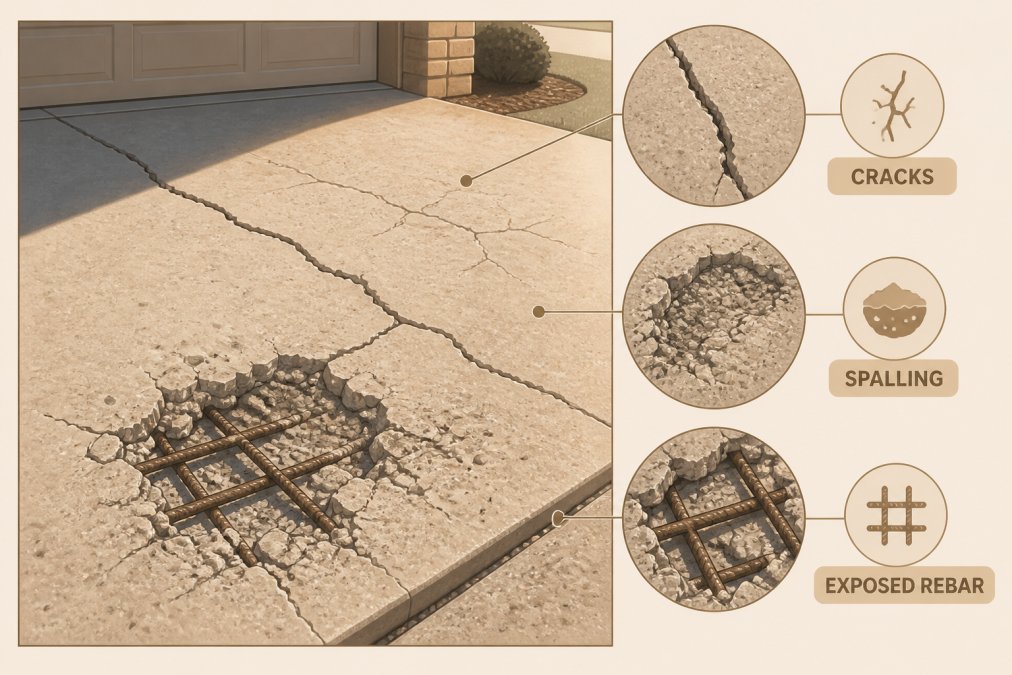
Water damage manifests in several ways. Efflorescence, white, chalky deposits on the surface, means water is moving through the concrete and leaving mineral residue. Staining or dark patches indicate moisture trapped beneath the surface. Pooling water or areas that stay damp long after rain signal that the concrete has lost its slope or subsurface drainage is failing. Scaling, where the top layer peels away in flakes, typically results from freeze-thaw cycles or chemical exposure.
Uneven surfaces present both a safety hazard and a sign of underlying problems. Sunken or settled areas suggest the base has shifted, while heaving indicates frost pressure or soil expansion. These conditions worsen over time as the underlying cause continues.
Understanding Concrete Restoration vs. Replacement
The moment you notice serious concrete damage, the question becomes: repair or replace? This decision hinges on the extent of damage, the age of the concrete, and your budget. Concrete restoration services can address most problems at a fraction of replacement cost, but only if the structural integrity is still viable.
Restoration is the right choice when the concrete's base structure is sound but the surface or specific areas are damaged. Epoxy injection repairs cracks by filling them with material stronger than the original concrete. Waterproofing systems seal the surface and prevent further moisture intrusion. Decorative overlays and resurfacing hide surface damage while adding protection and aesthetic appeal.
Replacement becomes necessary when the concrete has failed structurally, when cracks are too extensive, when the base has settled unevenly across large areas, or when the slab is so deteriorated that restoration would be temporary. A qualified concrete restoration contractor will be honest about this distinction.
The cost difference is substantial. Restoration typically costs a fraction of full replacement, and avoids the disruption of demolition and reconstruction. For most residential and commercial properties, restoration is the smarter first step.
Questions to Ask Concrete Contractors
Before you hire anyone, you need to understand what you're actually getting. These questions to ask concrete contractors separate contractors who know their craft from those seeking a quick job.
Start with experience and credentials. How long has the contractor been doing concrete restoration work? Are they licensed and insured? Do they hold certifications from recognized industry bodies? Concrete-Enhancements, for example, operates as a CTi Certified Dealer, which means they meet specific standards for materials and methods.
Ask about the specific method they'll use for your problem. If you have cracks, will they use epoxy injection, polyurethane injection, or routing and sealing? A contractor who can explain their reasoning is demonstrating expertise.
Request references and examples of past work similar to yours that are at least three to five years old. Can they show you concrete they restored years ago that's still holding up? Ask if you can speak directly with past clients about their experience.
Clarify the warranty and what it covers. Does it cover materials, workmanship, or both? How long does it last? What conditions void the warranty? A contractor confident in their work will offer a solid warranty backed by insurance.
Ask about the timeline and process. How long will the work take? Will your space be unusable during restoration? What preparation work is required on your end? Clear answers prevent surprises later.
How to Verify Contractor Licensing and Insurance
Verification is your only protection if something goes wrong. Hiring professional concrete restoration services from an uninsured or unlicensed contractor exposes you to liability if someone is injured or if the work damages something else.
Licensing requirements vary by state and locality. Contact your state's licensing board or local building department to understand requirements in your area. Ask the contractor for their license number and verify it directly with the issuing authority.
Insurance is equally critical. A contractor should carry general liability insurance and workers' compensation insurance. Request a certificate of insurance and verify it directly with the insurance company. Check the expiration date and confirm you're listed as an additional insured.
Ask whether the contractor is bonded. A bond is a financial guarantee that the contractor will complete the work as agreed. It's a sign of financial stability and professionalism.
Don't skip this step because a contractor seems trustworthy or offers a lower price. An uninsured contractor might be cheaper upfront, but if they damage your property or someone is injured, you're liable.
Concrete Restoration Cost Per Square Foot
Concrete restoration cost per square foot varies based on damage type, restoration method, and local labor rates. Understanding the factors that drive cost helps you evaluate quotes intelligently.
Surface preparation is often the biggest variable. Heavily damaged concrete requires aggressive cleaning or grinding away the damaged layer. Light cleaning costs far less. Labor is typically the largest expense.
Call (919) 824-5403 or email craigrfear@gmail.com for a free estimate →
The restoration method matters significantly. Epoxy injection for cracks is relatively inexpensive per linear foot. Waterproofing a large surface costs more because it covers more area. Decorative overlays and resurfacing are priced per square foot and vary based on design complexity and material quality.
Material quality drives cost differences. Premium epoxy resins and high-performance coatings cost more but last longer. A quality epoxy injection can last 20 or more years; a cheap one might fail in five.
Labor rates vary by region and contractor experience. Urban areas typically cost more than rural areas. Concrete-Enhancements, with over 20 years of experience, prices services based on specific project requirements rather than a flat per-square-foot rate.
Get multiple quotes and ask what each includes. One contractor's estimate might include surface preparation while another's doesn't. Comparing what each quote covers is the only way to evaluate cost fairly.
What Professional Concrete Restoration Services Include
Professional concrete restoration services encompass a range of techniques tailored to specific damage types and goals.
Structural repairs address cracks and damage that compromise the concrete's integrity. Epoxy injection is the most common method, pressurized epoxy resin is injected into cracks, bonding the concrete back together. The epoxy is stronger than the original concrete, so properly injected cracks become stronger than the surrounding material.
Waterproofing prevents moisture from entering the concrete and causing further damage. This might involve sealing the surface with a penetrating sealer, applying a protective coating, or installing a membrane system. Waterproofing is preventative, stopping damage before it starts.
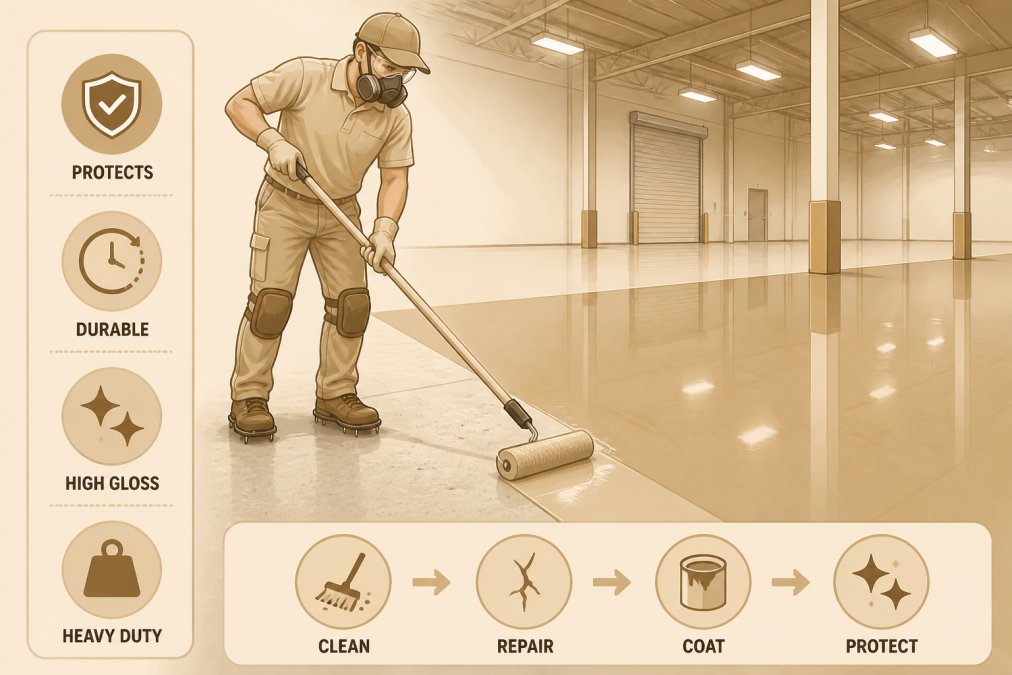
Decorative overlays and resurfacing cover damaged concrete with a new layer of material. These solutions hide surface damage, improve aesthetics, and add protection. They're ideal for concrete that's structurally sound but visually deteriorated.
Surface preparation, cleaning, grinding, and priming, is essential for any restoration method. Proper preparation ensures new materials bond correctly to existing concrete. This step often distinguishes quality contractors from others.
Concrete restoration services from a qualified contractor include a site assessment, damage diagnosis, method recommendation, and clear explanation of the work involved. Concrete-Enhancements offers free estimates that include a thorough evaluation and detailed explanation of the recommended restoration approach.
Vetting Your Concrete Restoration Contractor
After asking the right questions, verifying licensing and insurance, and reviewing quotes, you still need to assess whether this contractor is right for you.
Check online reviews and ratings critically. Look for patterns rather than isolated complaints. Multiple reviews citing the same problem suggest a real pattern. Pay attention to how contractors respond to negative reviews. A professional response that addresses the issue constructively is a good sign.
Ask the contractor directly about their approach to quality control. How do they ensure work meets standards? What happens if you're not satisfied? A confident contractor won't be defensive about these questions.
Evaluate communication throughout the process. Do they respond promptly? Do they explain things clearly? Do they listen to your concerns? Poor communication before the contract usually means worse communication during the job.
Verify that the contractor will handle permitting if required. A professional contractor will know what permits your project needs.
Trust your instincts about personality fit. If something feels off, if they're pushy about signing a contract, if they pressure you to decide immediately, keep looking. There are plenty of qualified contractors.
Finding the right contractor for hiring professional concrete restoration services requires diligence, but the investment pays off. You'll avoid costly mistakes and have peace of mind knowing your concrete is in capable hands. Concrete-Enhancements brings over 20 years of experience and CTi Certified Dealer credentials to every project. Contact Concrete-Enhancements at (919) 824-5403 or craigrfear@gmail.com for a free estimate and professional assessment of your concrete restoration needs.
Frequently Asked Questions
What should I look for in a concrete restoration contractor?
Look for contractors with verifiable licensing, current insurance coverage, and relevant certifications like CTi Certified Dealer status. Request references from completed projects and ask about their experience with your specific concrete restoration needs. Verify they understand structural repair, waterproofing, and surface preparation. Ask about warranty coverage and whether they can demonstrate work that has lasted several years.
How do I know if my concrete needs professional restoration?
Common signs include visible cracks wider than 1/8 inch, spalling (concrete breaking away), rebar corrosion, uneven surfaces, water intrusion, and persistent dust or deterioration. Structural damage appears as major cracks, displacement, or movement. If your concrete is affecting safety, drainage, or aesthetics, professional assessment is warranted. A qualified contractor can perform a free inspection to determine whether repair or full replacement is necessary.
What's the difference between concrete restoration and concrete replacement?
Concrete restoration repairs and strengthens existing concrete through epoxy injection, decorative overlays, waterproofing, and surface treatment. It addresses cracks, spalling, and damage while preserving the slab. Replacement removes the entire concrete slab and pours new concrete. Restoration is typically more cost-effective, faster, and less disruptive. However, severely damaged or structurally compromised concrete may require full replacement instead.
How long does a professional concrete restoration project typically take?
Timeline depends on project scope and concrete restoration type. Small crack repairs may take one to two days. Epoxy injection and waterproofing typically require three to seven days including surface preparation and curing time. Decorative overlays and full resurfacing can take one to two weeks. Weather conditions and concrete condition affect scheduling. Always ask your contractor for a specific timeline during the estimate phase.
This article was written using GrandRanker
Frequently Asked Questions
Look for contractors with verifiable licensing, current insurance coverage, and relevant certifications like CTi Certified Dealer status. Request references from completed projects and ask about their experience with your specific concrete restoration needs. Verify they understand structural repair, waterproofing, and surface preparation. Ask about warranty coverage and whether they can demonstrate work that has lasted several years.
Common signs include visible cracks wider than 1/8 inch, spalling (concrete breaking away), rebar corrosion, uneven surfaces, water intrusion, and persistent dust or deterioration. Structural damage appears as major cracks, displacement, or movement. If your concrete is affecting safety, drainage, or aesthetics, professional assessment is warranted. A qualified contractor can perform a free inspection to determine whether repair or full replacement is necessary.
Concrete restoration repairs and strengthens existing concrete through epoxy injection, decorative overlays, waterproofing, and surface treatment. It addresses cracks, spalling, and damage while preserving the slab. Replacement removes the entire concrete slab and pours new concrete. Restoration is typically more cost-effective, faster, and less disruptive. However, severely damaged or structurally compromised concrete may require full replacement instead.
Timeline depends on project scope and concrete restoration type. Small crack repairs may take one to two days. Epoxy injection and waterproofing typically require three to seven days including surface preparation and curing time. Decorative overlays and full resurfacing can take one to two weeks. Weather conditions and concrete condition affect scheduling. Always ask your contractor for a specific timeline during the estimate phase.