how-to
How to Clean Porous Concrete Floors: Step-by-Step
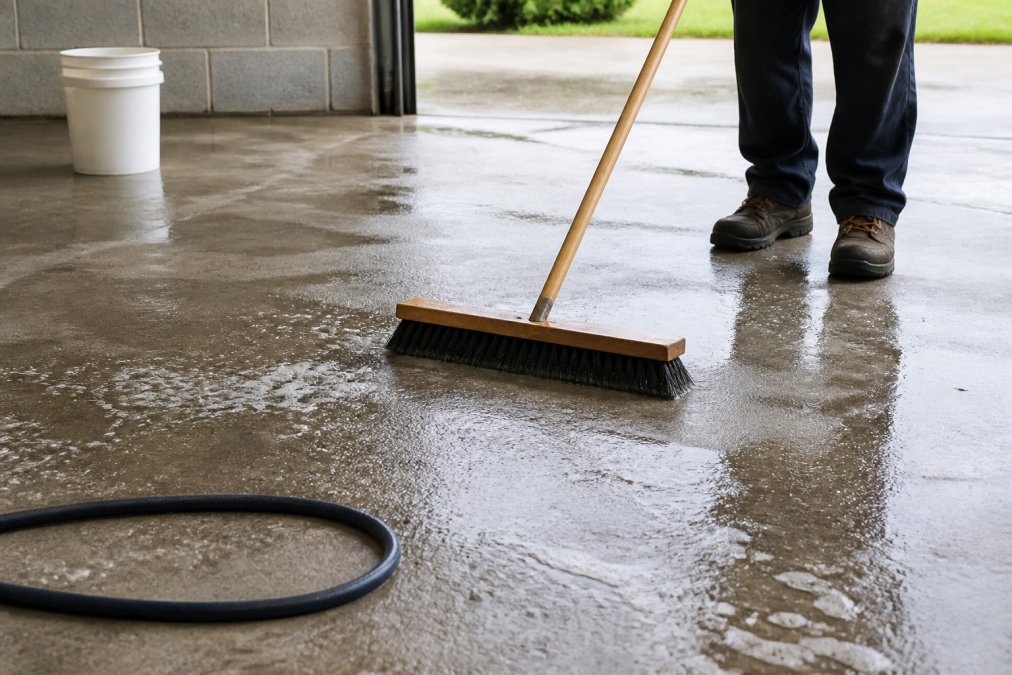
Table of Contents
- Preparation and Surface Assessment for Porous Concrete
- Best Cleaner for Unsealed Concrete Floors
- How to Remove Oil Stains from Porous Concrete
- Step-by-Step Cleaning Process for Porous Concrete Floors
- Concrete Floor Sealing Benefits and Protection
- Common Mistakes to Avoid When Cleaning Porous Concrete
- Tools and Equipment You'll Need
- Conclusion
Last Updated: August 19, 2026
Preparation and Surface Assessment for Porous Concrete
Porous concrete is inherently absorbent, its structure contains tiny air pockets and capillaries that pull liquids deep into the surface, making it prone to staining, moisture damage, and residue buildup. Before applying any cleaner, assess what you're dealing with.
Identify the type and severity of soiling in bright daylight. Note problem areas: oil stains near garages, efflorescence (white chalky residue), dust accumulation, or discoloration from spills. Photograph the worst spots to measure cleaning success. Porous concrete shows these issues more dramatically than sealed surfaces because contaminants penetrate rather than sit on top.
Sweep thoroughly with a stiff-bristled broom to remove loose debris and dust that would otherwise mix with cleaning solution and create a muddy paste. For heavy dust, use a shop vacuum first.
Check moisture levels in the concrete itself. If the floor feels damp or smells musty, you may have a hydrostatic pressure issue, groundwater pushing up from below. Cleaning solutions won't penetrate properly into wet concrete, and they can trap moisture deeper inside. Address drainage problems before proceeding with cleaning.
Best Cleaner for Unsealed Concrete Floors
The right cleaner depends on what you're removing. For general dirt and dust, use a neutral pH cleaner (around 7 on the pH scale). These water-based solutions lift embedded dirt without damaging the porous structure. Mix according to label directions and apply with a damp mop or sprayer.
For grease and oil stains, use a degreaser formulated for concrete. Standard neutral cleaners won't cut through petroleum-based residues effectively. Let the degreaser sit on the stain for 10-15 minutes before scrubbing to allow the chemical reaction to work.
Avoid harsh acids or bleach on unsealed porous concrete. Acidic cleaners can etch the surface and leave it rougher and more porous. Bleach can discolor concrete and doesn't effectively remove oily residues.
For efflorescence (white mineral bloom), a mild acid cleaner designed for concrete is appropriate, but use it sparingly and rinse thoroughly. One application followed by thorough rinsing is sufficient.
How to Remove Oil Stains from Porous Concrete
Oil stains are the most stubborn problem on porous concrete because oil penetrates deep into the pores and bonds chemically to the concrete.
For fresh oil spills (less than 24 hours old), sprinkle kitty litter, sawdust, or a commercial absorbent material over the spill immediately. Let it sit for several hours to absorb the surface oil, then sweep up and dispose of it properly.
For set-in stains, apply a concrete degreaser directly to the affected area. Spray or pour it generously and let it sit for 15-20 minutes. Use a stiff brush or floor scrubber to agitate the stain vigorously in circular motions, working from the edges toward the center. Repeat if necessary, allowing the concrete to dry completely between applications.
For very deep penetrating stains, use a poultice treatment. Mix the degreaser with an absorbent powder (diatomaceous earth or talc) to create a thick paste. Spread this paste over the stain, cover it with plastic wrap, and let it sit for 24-48 hours. The paste draws oil up from the pores as it dries. Sweep away the dried poultice and rinse the area.
Step-by-Step Cleaning Process for Porous Concrete Floors
Step 1: Sweep and Remove Loose Debris
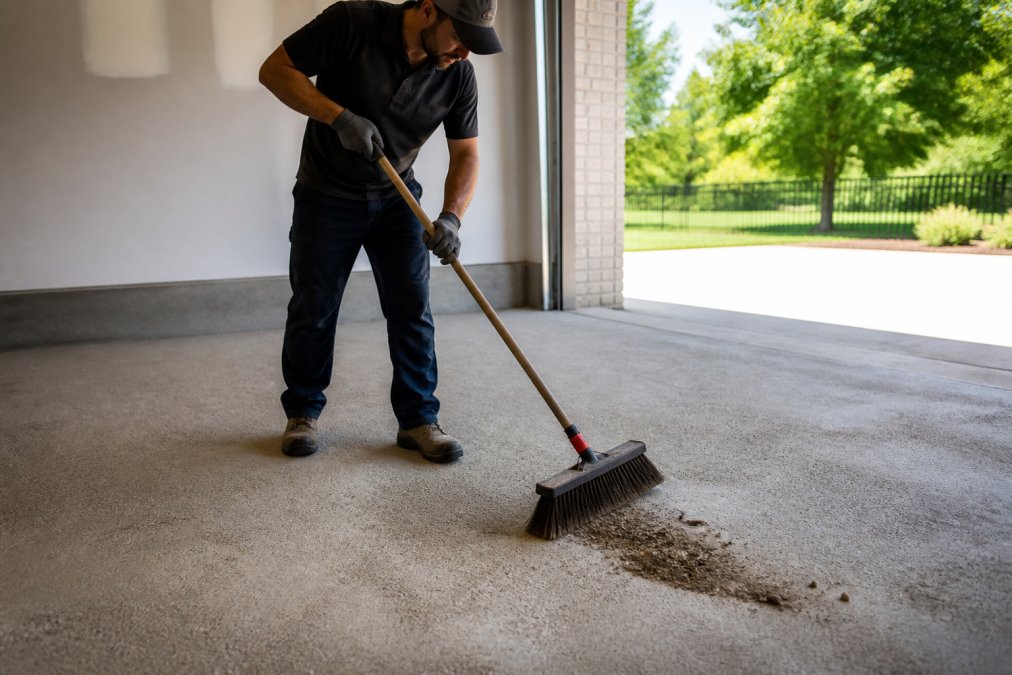
Begin with a thorough dry sweep using a stiff-bristled broom, working in one direction across the entire floor. For large areas, a shop vacuum with a brush attachment works faster. Pay special attention to corners and recessed areas where dust collects. Debris left behind will mix with your cleaning solution and create a slurry that's harder to rinse out.
Step 2: Pre-treat Stains and Problem Areas
Before wetting the entire floor, address stains individually. Spray or apply degreaser directly to oil stains and let them sit for 15 minutes. For efflorescence, apply a mild acid cleaner for 10 minutes. For general discoloration, apply a neutral pH cleaner as a spot treatment. This targeted approach prevents wasting cleaner on the whole floor when specific areas need extra attention.
Step 3: Apply Cleaning Solution and Scrub
Mix your chosen cleaner according to label instructions. Pour or spray the solution across the floor section by section, working in manageable 8-foot-by-8-foot areas. Use a damp mop or soft-bristled brush to work the solution into the pores. For heavily soiled areas, a floor scrubber with rotating brushes accelerates cleaning. Let the solution sit for 5-10 minutes while surfactants break down dirt and oils, then scrub with moderate pressure. Heavy pressure can damage porous concrete; moderate pressure combined with time does the work. cleaning coated surfaces.
Step 4: Rinse Thoroughly and Extract Moisture
Thorough rinsing removes cleaning solution residue from deep in the pores. Incomplete rinsing leaves alkaline or acidic residue that attracts dirt and accelerates future soiling.
Use clean water from a garden hose, pressure washer on low setting (below 1500 PSI), or mop and bucket with frequent water changes. Rinse each section multiple times until the rinse water runs clear with no soap residue or foam.
After rinsing, extract as much moisture as possible using a wet/dry shop vacuum, towels, or a squeegee. Open windows and doors for air circulation. Allow at least 24-48 hours of drying time before foot traffic.
Concrete Floor Sealing Benefits and Protection
Once your porous concrete is clean, sealing it prevents the problems you just solved from coming back quickly. A sealer fills the pores and creates a moisture barrier, making the concrete much easier to maintain long-term.
Sealed concrete resists oil penetration dramatically. Spills sit on the surface instead of soaking in, giving you time to clean them before they stain permanently. Water beads up on sealed concrete rather than being absorbed, preventing efflorescence and moisture-related damage. Maintenance becomes dramatically simpler, sealed porous concrete requires only regular sweeping and occasional damp mopping.
Call (919) 824-5403 or email craigrfear@gmail.com for a free estimate →
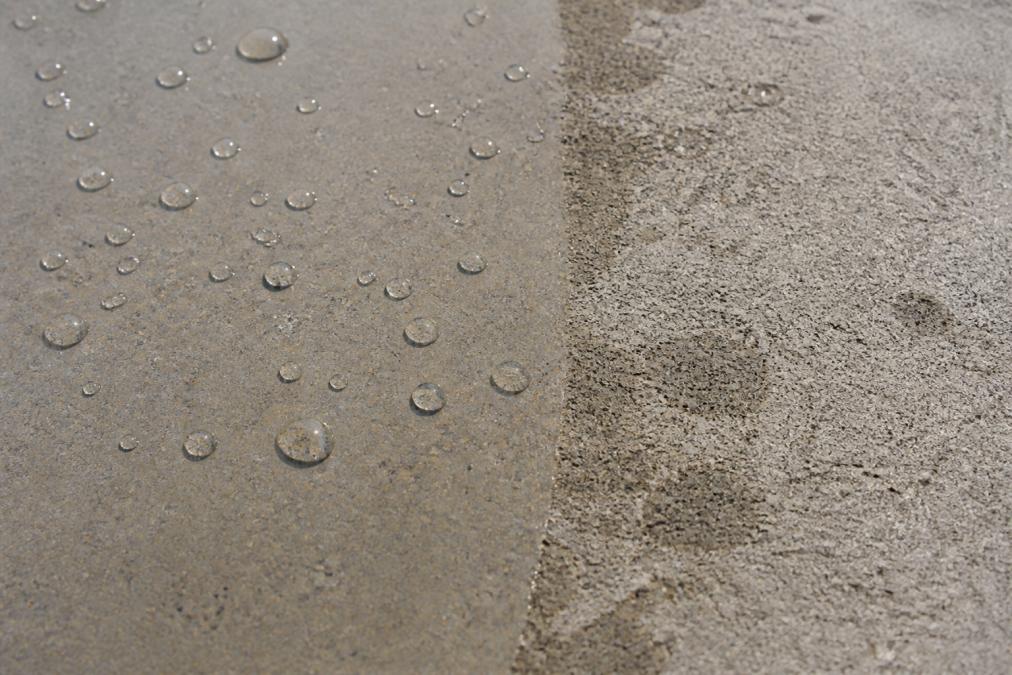
Penetrating sealers absorb into the concrete and chemically bond with the pores, creating a water-resistant barrier while maintaining the concrete's natural appearance and breathability. These work well for most residential applications. Membrane sealers sit on top of the concrete, creating a protective film with more dramatic stain protection and a slight sheen, but they don't allow the concrete to breathe.
For porous concrete that's been freshly cleaned, a penetrating sealer is typically the better choice. Reapplication is needed every 2-3 years depending on foot traffic and weather exposure.
When sealing is done by professionals like Concrete-Enhancements, the application is precise and the product choice is matched to your specific floor type and use case. A properly sealed floor dramatically reduces future cleaning effort and extends the life of your concrete investment.
Common Mistakes to Avoid When Cleaning Porous Concrete
The most frequent mistake is using too much water too aggressively. Pressure washing unsealed porous concrete at high PSI can damage the surface and enlarge pores. Keep pressure below 1500 PSI and maintain distance from the surface.
Another common error is incomplete rinsing. Porous concrete requires multiple rinse cycles to remove all cleaner residue from deep in the pores. Residual cleaner attracts dirt and causes the floor to soil faster after cleaning.
Mixing cleaners is dangerous and ineffective. Combining bleach with acid, or degreaser with ammonia, creates toxic fumes. Use one product, rinse completely, allow drying, then switch to another if needed.
Skipping the pre-sweep step wastes time and cleaner. Loose debris mixed into cleaning solution creates a slurry that's harder to rinse out. Fifteen minutes of sweeping saves an hour of rinsing.
Choosing the wrong cleaner for the job is expensive. Using a neutral pH cleaner on oil stains won't work. Match the cleaner to the stain type.
Rushing the drying phase causes new problems. Walking on or applying sealer to damp porous concrete traps moisture. Allow the full 48 hours before sealing or heavy use.
Tools and Equipment You'll Need
A stiff-bristled broom is essential for removing dust from porous concrete's texture. For larger areas, a shop vacuum with a brush attachment saves time and captures fine dust.
A floor scrubber with rotating brushes accelerates cleaning significantly. For a single driveway or patio, a manual scrubber is sufficient. For larger floors, a powered scrubber is worth the investment.
A garden hose or pressure washer handles rinsing. Keep pressure below 1500 PSI for porous concrete. A wet/dry shop vacuum extracts standing water and moisture from the pores after rinsing, preventing water spots and allowing faster drying.
Spray bottles or watering cans apply cleaner to spot stains. Stiff brushes agitate the cleaning solution and lift dirt from the pores. Squeegees or towels remove standing water after rinsing.
Safety equipment includes gloves and eye protection when handling concentrated cleaners. Proper ventilation (open doors and windows) is essential when using chemical cleaners.
Conclusion
Cleaning porous concrete requires understanding how its structure absorbs and holds contaminants differently than sealed surfaces. The process demands thorough preparation, appropriate cleaner selection, and complete rinsing, rushing any step undermines the entire effort. Once clean, sealing your porous concrete prevents rapid re-soiling and makes future maintenance dramatically easier.
If your porous concrete is heavily stained, deeply soiled, or you want professional-grade results that last, Concrete-Enhancements offers expert cleaning and sealing services backed by 20+ years of regional experience. As a CTi Certified Dealer, they understand how local humidity and weather affect concrete performance and can recommend the right sealer for your specific situation. Contact Concrete-Enhancements at (919) 824-5403 or craigrfear@gmail.com for a free estimate and consultation on protecting your concrete investment.
Frequently Asked Questions
What is the best cleaner for unsealed concrete floors?
A neutral pH cleaner specifically formulated for concrete works best on unsealed porous concrete. Avoid alkaline detergents and acidic solutions, which can damage the surface. For general cleaning, a water-based solution with a concrete-safe surfactant removes dirt without penetrating stains deeper into the porous structure. For heavy-duty cleaning, a degreaser formulated for concrete handles grease and oil without harming the substrate. Always test any cleaner on an inconspicuous area first.
How do you remove deep-set stains from porous concrete?
Deep-set stains in porous concrete require pre-treatment before general cleaning. For oil stains, apply a concrete degreaser and let it sit 15-30 minutes to break down the penetrating stain, then scrub with a stiff brush. For rust or mineral stains, use an acid-based concrete cleaner following product instructions carefully. Spot treatment works better than flooding the entire floor. After stain removal, rinse thoroughly with clean water and allow the concrete to dry completely before assessing results. Stubborn stains may require multiple treatments.
Is it necessary to seal concrete after deep cleaning?
Sealing after deep cleaning is highly recommended for porous concrete. Once you've removed dirt and stains, a sealer creates a moisture barrier that prevents future stains from penetrating the surface, reduces dust, and makes ongoing maintenance easier. Sealing also protects against hydrostatic pressure and efflorescence, which are common in porous concrete. Most sealers last 2-3 years before reapplication is needed, depending on foot traffic and exposure to moisture.
What should you avoid using when cleaning concrete?
Avoid bleach, which can damage concrete and create harmful fumes, and muriatic acid, which erodes the concrete surface if not handled properly. Skip vinegar and dish soap on porous concrete as they leave residue and can alter the surface finish. Never use abrasive cleaning methods that damage the concrete structure itself. Avoid pressure washers on unsealed concrete, as high-pressure water forces dirt and moisture deep into the porous structure. Always use pH-neutral or concrete-specific cleaners to protect the integrity of your floor.
This article was written using GrandRanker
Frequently Asked Questions
A neutral pH cleaner specifically formulated for concrete works best on unsealed porous concrete. Avoid alkaline detergents and acidic solutions, which can damage the surface. For general cleaning, a water-based solution with a concrete-safe surfactant removes dirt without penetrating stains deeper into the porous structure. For heavy-duty cleaning, a degreaser formulated for concrete handles grease and oil without harming the substrate. Always test any cleaner on an inconspicuous area first.
Deep-set stains in porous concrete require pre-treatment before general cleaning. For oil stains, apply a concrete degreaser and let it sit 15-30 minutes to break down the penetrating stain, then scrub with a stiff brush. For rust or mineral stains, use an acid-based concrete cleaner following product instructions carefully. Spot treatment works better than flooding the entire floor. After stain removal, rinse thoroughly with clean water and allow the concrete to dry completely before assessing results. Stubborn stains may require multiple treatments.
Sealing after deep cleaning is highly recommended for porous concrete. Once you've removed dirt and stains, a sealer creates a moisture barrier that prevents future stains from penetrating the surface, reduces dust, and makes ongoing maintenance easier. Sealing also protects against hydrostatic pressure and efflorescence, which are common in porous concrete. Most sealers last 2-3 years before reapplication is needed, depending on foot traffic and exposure to moisture.
Avoid bleach, which can damage concrete and create harmful fumes, and muriatic acid, which erodes the concrete surface if not handled properly. Skip vinegar and dish soap on porous concrete as they leave residue and can alter the surface finish. Never use abrasive cleaning methods that damage the concrete structure itself. Avoid pressure washers on unsealed concrete, as high-pressure water forces dirt and moisture deep into the porous structure. Always use pH-neutral or concrete-specific cleaners to protect the integrity of your floor.