how-to
How to Find Professional Concrete Resurfacing Services
Table of Contents
- Where to Find Concrete Resurfacing Contractors
- Questions to Ask Concrete Resurfacing Contractors
- How to Tell If Concrete Needs Resurfacing or Replacement
- Understanding Average Cost of Concrete Resurfacing Per Square Foot
- How Long Does Concrete Resurfacing Take to Cure
- Vetting and Verifying Contractor Credentials
- Maintenance Expectations After Resurfacing
- Conclusion
Last Updated: August 17, 2026
Where to Find Concrete Resurfacing Contractors
Finding the right professional for concrete resurfacing services requires knowing where to look and what questions to ask. The challenge isn't finding someone who does concrete work, it's finding someone who specializes in resurfacing, has verifiable credentials, and won't disappear after the job ends.

Online Contractor Directories and Marketplaces
Angi (formerly Angie's List) connects homeowners with prescreened professionals and requires background checks on business owners. You can compare quotes from multiple companies without making individual phone calls. The Happiness Guarantee provides recourse if work doesn't meet expectations.
HomeAdvisor matches you with up to three top-rated professionals in your area and includes a cost guide tool so you understand typical pricing before quotes arrive. The ProFinder tool lets you search by zip code and specialty, useful when hunting for decorative concrete or epoxy coating specialists.
Thumbtack lets you describe your project and contractors bid on it, creating competitive pressure that sometimes drives better pricing. The Thumbtack Guarantee offers job satisfaction protection.
Houzz is particularly strong for decorative concrete overlays or stamped finishes. The extensive photo gallery helps you visualize possibilities, and you can review a contractor's complete portfolio before reaching out.
Industry-Specific Resources
The Concrete Network (The Concrete Network) is searchable by location and specialty for decorative concrete work. It connects you directly with contractors without acting as a middleman, though you're responsible for your own due diligence.
The American Society of Concrete Contractors (ASCC) maintains a member directory at ASCC. Members typically adhere to higher standards than average. ASCC certification signals commitment to industry best practices.
Local and Community Referrals
Ask neighbors who've had concrete work done whether it has held up over time. Local Facebook groups and community forums often have active discussions about concrete contractors with photos of completed work.
Check the Better Business Bureau (Better Business Bureau) for complaint history and how companies respond to issues. Yelp serves a similar function with user-generated reviews; look for patterns rather than trusting individual reviews.
Questions to Ask Concrete Resurfacing Contractors
Once you've identified potential contractors, ask questions that separate professionals from amateurs.
Experience and Certification
Ask how many years the contractor has done concrete resurfacing specifically. General concrete work and resurfacing are different skill sets. Request references from projects completed at least three to five years ago. When you call references, ask whether the work has stayed sealed, if cracks have reappeared, and how the color has held up.
Ask about certifications like CTi (Concrete Transformations International). Verify certifications directly with the certifying organization rather than taking the contractor's word.
Project Timeline and Warranty
Ask for a detailed schedule: How long for surface prep? How long between coats? What's the full cure time before normal use? Get these timelines in writing.
Warranty terms separate professional contractors from those cutting corners. Ask specifically what happens if the coating fails within the warranty period.
How to Tell If Concrete Needs Resurfacing or Replacement
Understanding whether resurfacing can solve the problem or if replacement is necessary saves money and prevents wasted effort.
Common Concrete Issues That Warrant Resurfacing
Surface-level damage is the primary candidate for resurfacing. Discoloration from staining, weathering, or algae growth responds well to cleaning and resealing or applying a decorative overlay.
Hairline cracks in the top layer can be filled and sealed as part of a resurfacing project. Chipping and spalling can be repaired and covered with an overlay or epoxy coating. Dusting, where the concrete surface breaks down into fine powder, indicates the top layer is deteriorating and can be sealed with an epoxy coating or polished finish.
When Replacement Is the Better Choice
Deep structural cracks that run through the full thickness indicate the foundation is compromised and require replacement. Significant settling or heaving creates trip hazards and suggests underlying soil problems. Large areas of missing concrete or severe deterioration affecting more than 30% of the surface typically justify replacement. Water damage that's penetrated below the surface layer indicates the concrete has lost its integrity.
Understanding Average Cost of Concrete Resurfacing Per Square Foot
Pricing for concrete resurfacing services varies widely based on several factors.
Factors That Influence Pricing
Surface preparation is often the largest cost variable. If the concrete requires heavy grinding, crack repair, or chemical cleaning, prep work can double or triple the project cost. The type of finish directly affects pricing, a basic epoxy coating costs less than a decorative overlay with custom colors and patterns. The condition of existing concrete influences labor time. Geographic location and contractor experience level both factor into pricing.
Call (919) 824-5403 or email craigrfear@gmail.com for a free estimate →
Getting Accurate Quotes
Request quotes from at least three contractors. Detailed quotes should break down costs for surface preparation, materials, labor, and any additional work. Be wary of quotes significantly lower than others, as this often signals skipped steps or low-quality materials.
Ask whether quotes include sealing or protective coatings after the main work. Request that quotes specify cure time and any limitations on use during curing.
How Long Does Concrete Resurfacing Take to Cure
Curing time determines when you can actually use the surface.
Epoxy coatings are usually walkable within 24 hours, but full cure takes 7-10 days. Vehicle traffic should be avoided until full cure is complete. Temperature and humidity affect curing speed.
Polyaspartic coatings cure faster than epoxy, many are fully cured within 24-48 hours. Decorative concrete overlays typically need 7-14 days before normal use. Polished concrete requires 3-5 days total.
During the curing period, avoid water exposure, heavy traffic, and direct sunlight when possible. Following the contractor's specific restrictions is the difference between work that lasts 10+ years and work that fails within a few years.
Vetting and Verifying Contractor Credentials
Before signing a contract, verify that the contractor is legitimate and properly credentialed.
Licensing and Insurance Requirements
Check your state's licensing board to determine what applies in your area. If licensing is required and your contractor isn't licensed, that's a deal-breaker.
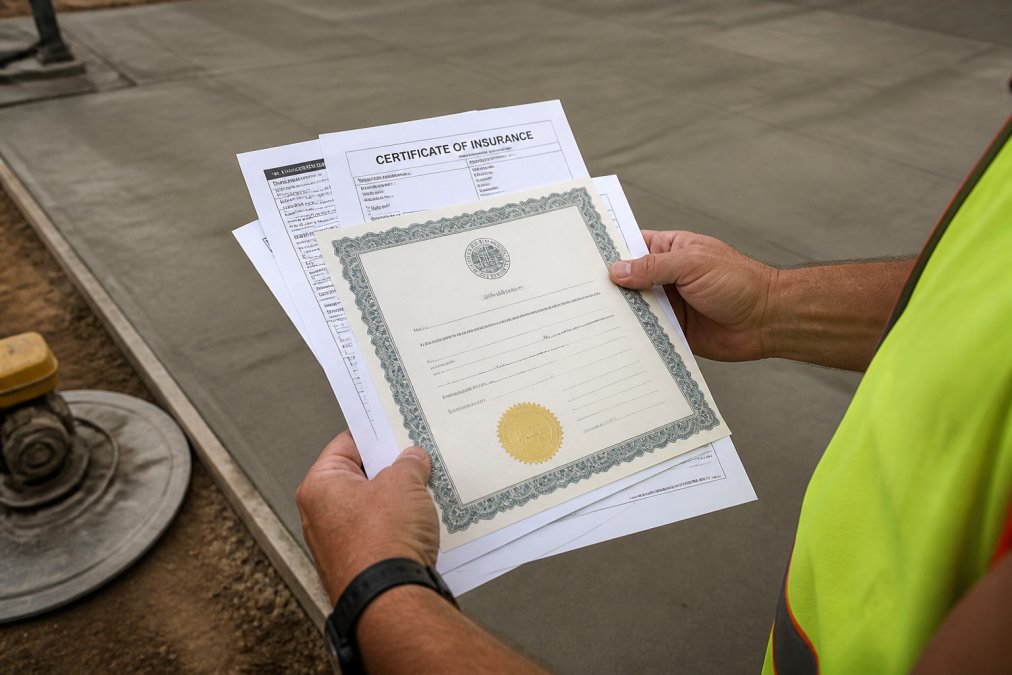
Insurance is non-negotiable. Ask for proof of general liability insurance and workers' compensation insurance. Verify these directly with the insurance company. Ask whether the contractor is bonded, a performance bond protects you if the contractor fails to complete the work or doesn't meet agreed-upon standards.
Reviewing Past Work and Customer Testimonials
Request a portfolio of recent projects showing work in progress and after completion. Ask whether you can visit completed projects to see how they've held up over time.
Call past clients and ask specific questions about the contractor's reliability, communication, and whether issues were handled professionally. Check online reviews across multiple platforms, looking for patterns rather than individual complaints. Ask the contractor about any complaints filed against them.
Maintenance Expectations After Resurfacing
Understanding what happens after the work is complete prevents surprises and extends the life of your concrete resurfacing services.
Epoxy and polyaspartic coatings require regular cleaning but are relatively low-maintenance. Sweep or vacuum regularly and clean spills promptly. Avoid harsh chemicals that can degrade the coating.
Decorative overlays and stamped concrete require sealing every 1-3 years depending on traffic and exposure. Skipping resealing is the primary reason decorative concrete fails prematurely. Polished concrete benefits from periodic resealing and occasional repolishing.
The contractor should provide specific maintenance instructions for your particular coating or overlay. Follow these instructions, maintenance is where most homeowners cause their own problems by neglecting the care their concrete resurfacing services require.
Finding professional concrete resurfacing services requires more than a quick internet search. You need to verify credentials, understand what the work involves, and select a contractor who prioritizes durability over quick turnarounds. Concrete-Enhancements has spent over 20 years building expertise in decorative concrete overlays, epoxy coatings, and professional repair work across the region. As a CTi Certified Dealer, we understand the technical details that separate quality work from shortcuts. Contact Concrete-Enhancements at (919) 824-5403 or email craigrfear@gmail.com for a free estimate on your concrete resurfacing project.
| Finding Method | Best For | Verification Level |
|---|---|---|
| Angi / HomeAdvisor | Quick quote comparison | High - background checks |
| The Concrete Network | Decorative specialists | Medium - direct contractor |
| BBB / Yelp | Reputation research | Medium - user reviews |
| ASCC Directory | Certified professionals | High - association membership |
| Local referrals | Real-world experience | High - direct customer feedback |
Frequently Asked Questions
What questions should I ask a concrete contractor before hiring?
Ask about their experience with concrete resurfacing projects similar to yours, whether they carry liability insurance and bonding, what warranty they offer on their work, how long the project will take, and what the timeline is for curing after completion. Request references from past clients and ask to see examples of completed concrete overlays or epoxy coatings. Confirm they understand surface preparation requirements and what type of coating or overlay they recommend for your specific application.
How do I verify a concrete contractor's credentials?
Check for state licensing in your area and verify it with your state's licensing board. Ask for proof of liability insurance and worker's compensation coverage. Look for industry certifications such as CTi Certified Dealer status or membership in the American Society of Concrete Contractors. Review their Better Business Bureau profile for ratings and complaint history. Request references and follow up with past clients about their experience with surface durability and maintenance of the resurfaced concrete.
How much should concrete resurfacing cost?
Pricing depends on several factors including surface size, concrete condition, type of resurfacing (decorative overlay, epoxy coating, or repair), surface preparation requirements, and your location. Rather than estimating costs, contact concrete resurfacing professionals directly for free estimates tailored to your project. Most contractors offer no-obligation consultations to assess your concrete and provide accurate pricing based on the specific work needed.
How long will resurfaced concrete last?
The lifespan of resurfaced concrete depends on the type of coating or overlay applied and how well it's maintained. Epoxy coatings typically last 5-10 years with proper care, while decorative concrete overlays can last 10-15 years or longer. Factors affecting durability include foot traffic volume, exposure to UV rays and weather, maintenance practices, and the quality of the professional installation. Ask your contractor about the warranty they provide and what maintenance steps will help extend the life of your resurfaced concrete.
This article was written using GrandRanker
Frequently Asked Questions
Ask about their experience with concrete resurfacing projects similar to yours, whether they carry liability insurance and bonding, what warranty they offer on their work, how long the project will take, and what the timeline is for curing after completion. Request references from past clients and ask to see examples of completed concrete overlays or epoxy coatings. Confirm they understand surface preparation requirements and what type of coating or overlay they recommend for your specific application.
Check for state licensing in your area and verify it with your state's licensing board. Ask for proof of liability insurance and worker's compensation coverage. Look for industry certifications such as CTi Certified Dealer status or membership in the American Society of Concrete Contractors. Review their Better Business Bureau profile for ratings and complaint history. Request references and follow up with past clients about their experience with surface durability and maintenance of the resurfaced concrete.
Pricing depends on several factors including surface size, concrete condition, type of resurfacing (decorative overlay, epoxy coating, or repair), surface preparation requirements, and your location. Rather than estimating costs, contact concrete resurfacing professionals directly for free estimates tailored to your project. Most contractors offer no-obligation consultations to assess your concrete and provide accurate pricing based on the specific work needed.
The lifespan of resurfaced concrete depends on the type of coating or overlay applied and how well it's maintained. Epoxy coatings typically last 5-10 years with proper care, while decorative concrete overlays can last 10-15 years or longer. Factors affecting durability include foot traffic volume, exposure to UV rays and weather, maintenance practices, and the quality of the professional installation. Ask your contractor about the warranty they provide and what maintenance steps will help extend the life of your resurfaced concrete.