ultimate-guide
Why Choose Decorative Concrete for Patios
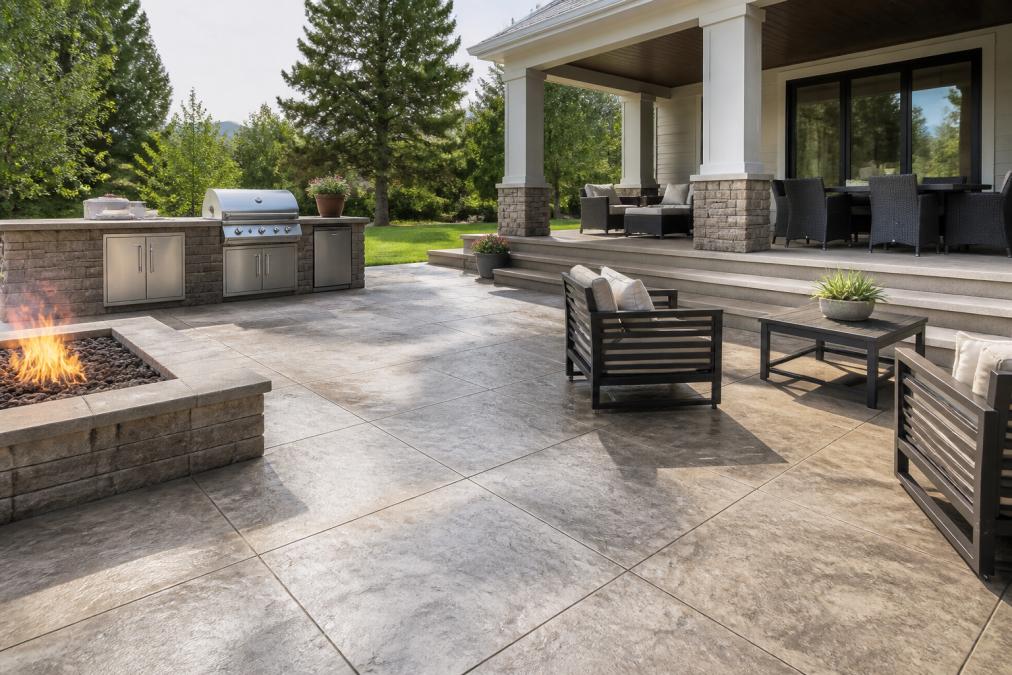
Table of Contents
- Decorative Concrete Delivers Durability and Longevity
- Design Flexibility and Aesthetic Appeal
- Stamped Concrete Patio Pros and Cons
- Understanding Decorative Concrete Overlay Cost Per Square Foot
- Weather Resistance and Regional Climate Considerations
- Decorative Concrete Maintenance Tips for Long-Term Performance
- Professional Installation vs. DIY: Why It Matters
- Conclusion
Last Updated: August 29, 2026
Decorative Concrete Delivers Durability and Longevity
Decorative concrete for patios combines structural integrity with aesthetic appeal in ways traditional materials cannot match. A well-poured concrete slab achieves 3,000 to 4,000 PSI for residential applications, making it far more resilient than wood decks or natural stone that shifts with freeze-thaw cycles. Sealed decorative concrete repels water and maintains surface integrity through seasonal temperature swings, resisting the weather damage that destroys flagstone or slate.
Concrete-Enhancements has worked with homeowners whose patios still look exceptional after many years, even in harsh weather conditions. The key difference between patios that age gracefully and those that deteriorate quickly comes down to installation quality and consistent maintenance from day one.
Design Flexibility and Aesthetic Appeal
Decorative concrete for patios offers design flexibility that rivals natural stone and pavers. Stamped concrete patterns can replicate flagstone, slate, brick, or tile without the cost, weight, or installation complexity. Color hardeners and integral dyes let you customize the finished appearance to match your home's exterior or personal preferences.
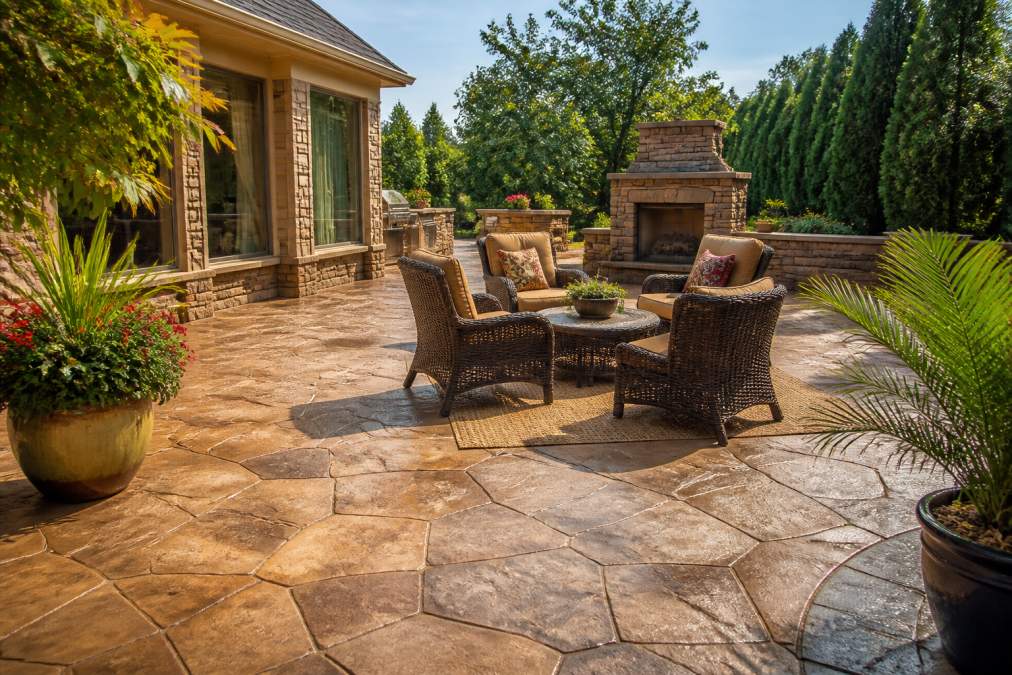
Beyond stamped patterns, decorative concrete overlays provide another design avenue. Overlay systems apply a thin decorative layer over existing concrete, transforming a plain patio into something visually striking. Polished concrete finishes create a sleek, modern aesthetic with subtle color variations, while stained concrete offers rich, translucent color that enhances natural texture.
A well-designed decorative concrete patio elevates the entire property's visual presence. Unlike pavers that can shift or settle unevenly over time, decorative concrete maintains a cohesive, intentional look for years.
Stamped Concrete Patio Pros and Cons
Stamped concrete for patios delivers genuine benefits alongside legitimate limitations worth understanding before you commit.
Pros of stamped concrete patios:
- Cost-effective: Typically costs less per square foot than flagstone, natural slate, or quality pavers
- Durability: Properly sealed stamped concrete withstands heavy traffic and seasonal temperature swings without cracking or settling like pavers
- Design variety: Pattern and color options are nearly limitless, achieving premium natural stone looks at a fraction of the cost
- Low maintenance: Once sealed, requires only periodic cleaning and resealing every 2-3 years
- Structural integrity: A monolithic slab won't develop uneven settling that creates tripping hazards
Cons of stamped concrete patios:
- Sealing is non-negotiable: Without proper sealing, decorative concrete degrades quickly, adding to initial cost and requiring ongoing maintenance
- Can look artificial if poorly executed: Low-quality stamped concrete doesn't convincingly mimic natural stone
- Cracking is possible: Although less likely than with pavers, concrete can crack if the base isn't properly prepared
- Difficult to repair: Fixing cracked sections is more complex than replacing a single paver, and repairs often show
- Heat absorption: In hot climates, dark-colored concrete absorbs significant heat, making the surface uncomfortably hot to walk on barefoot
Light colors and textured finishes help mitigate the heat issue, but it's a real consideration in brutal summer climates.
Understanding Decorative Concrete Overlay Cost Per Square Foot
Pricing for decorative concrete for patios depends on pattern complexity, local labor rates, material quality, and existing surface conditions. A basic stamped concrete application differs significantly from a polished overlay or multi-color decorative finish. Resurfacing an existing patio costs less than installing new concrete because you skip base preparation and excavation.
Several factors influence the final cost:
- Pattern complexity: Simple geometric patterns cost less than intricate designs requiring custom molds
- Color options: Single-color applications cost less than multi-color designs with integral dyes
- Sealing quality: Premium sealers offer longer-lasting protection but cost more upfront
- Existing surface condition: Damaged patios or poor drainage require additional prep work
- Project size: Larger patios benefit from economies of scale, reducing per-square-foot cost
For accurate pricing on your specific project, you need a site assessment. Concrete-Enhancements provides free estimates at (919) 824-5403 or craigrfear@gmail.com.
Weather Resistance and Regional Climate Considerations
Decorative concrete for patios performs differently depending on your regional climate. Understanding how your specific weather patterns affect concrete longevity helps you make informed decisions about sealing and maintenance.
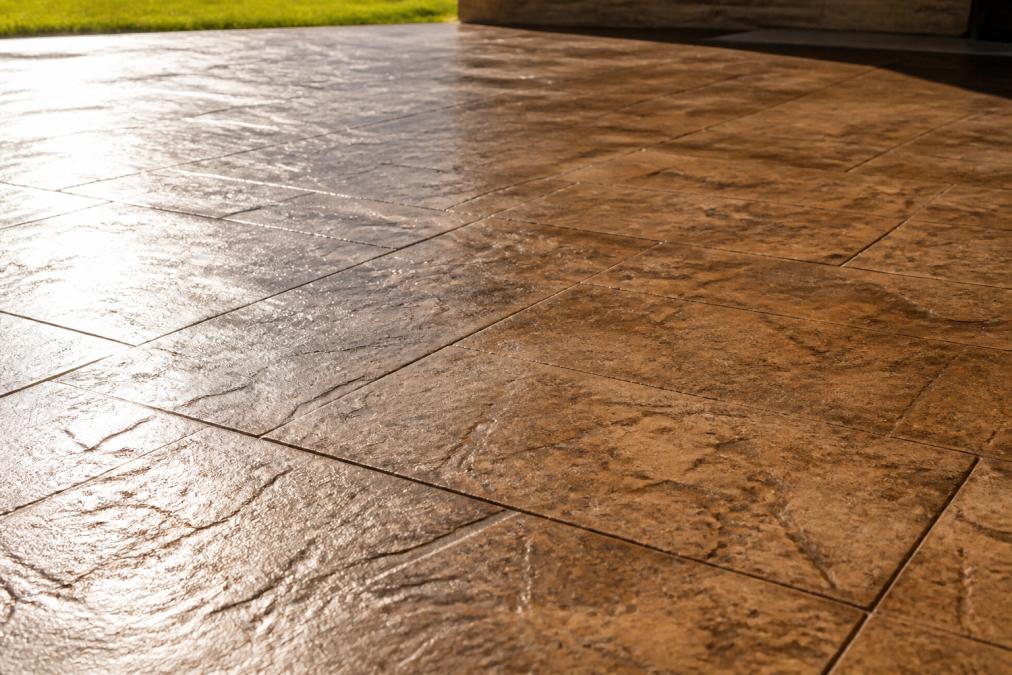
Freeze-thaw cycles pose the biggest threat in cold climates. When water penetrates the concrete and freezes, it expands, creating internal pressure that leads to cracking (usgs.gov). Sealed concrete with proper installation resists this damage far better. UV-stable sealers that maintain flexibility are essential in freeze-thaw regions.
Heat and UV exposure affect decorative concrete differently. Intense sunlight can fade color hardeners over time. UV-stable sealers slow this fading. Dark colors absorb more heat, making the surface uncomfortably hot in summer. Light colors and textured finishes mitigate this but may show dirt more readily.
Moisture and humidity in coastal or high-rainfall regions accelerate concrete degradation if sealing is neglected. Salt spray in coastal areas is particularly damaging. Decorative concrete in coastal environments requires premium sealers and more frequent resealing (annually rather than every 2-3 years).
| Climate Type | Primary Challenge | Sealing Frequency | Best Practices |
|---|---|---|---|
| Cold/Freeze-thaw | Moisture expansion | Every 2-3 years | Flexible sealers, proper drainage |
| Hot/Arid | UV fading, heat absorption | Every 3-4 years | Light colors, textured finishes |
| Coastal/High humidity | Salt damage, moisture penetration | Annually | Premium marine-grade sealers |
| Temperate/Moderate | General wear and weathering | Every 2-3 years | Standard quality sealers |
The Raleigh-Durham Triangle and NC Triad experience moderate freeze-thaw cycles and significant seasonal temperature swings. Decorative concrete patios in these regions benefit from flexible sealers that accommodate concrete expansion and contraction. Proper drainage is equally critical.
Decorative Concrete Maintenance Tips for Long-Term Performance
Maintaining decorative concrete for patios properly is what separates 10-year patios from 25-year patios. The maintenance requirements are straightforward, but consistency matters.
Cleaning and basic care:
Sweep your patio weekly during seasons with heavy debris. Pressure wash annually or semi-annually at moderate pressure (1,500-2,000 PSI) to avoid damaging the sealant (the CDC). Use pH-neutral cleaners designed for sealed concrete.
Sealing and protection:
Call (919) 824-5403 or email craigrfear@gmail.com for a free estimate →
Sealing is the single most important maintenance task. Most sealers last 2-3 years before requiring reapplication (peer-reviewed research). When water no longer beads on the surface, it's time to reseal.
Addressing damage early:
Small cracks or chips should be repaired promptly. Concrete repair caulks work for minor cracks; larger damage requires professional assessment. Catching and fixing damage early prevents expensive restoration later.
Seasonal considerations:
In winter, avoid salt-based de-icers on decorative concrete patios. Use sand or calcium chloride alternatives instead. In summer, keep the patio clean and monitor for UV fading.
Professional Installation vs. DIY: Why It Matters
The difference between a decorative concrete patio that lasts 30 years and one that fails within a decade often comes down to installation quality.
Professional installation advantages:
A CTi Certified Dealer like Concrete-Enhancements brings specialized knowledge to every phase. Concrete mix design, base preparation, finishing technique, and sealing application all require precision. Professionals understand how temperature, humidity, and timing affect concrete curing. They have access to commercial-grade materials and equipment that produce superior results.
Professional installers manage variables that DIYers often overlook: proper base preparation prevents settling and cracking, correct concrete thickness ensures structural integrity, strategic joint placement controls where cracks occur, and professional-grade sealers provide superior protection.
DIY installation risks:
Poor base preparation leads to settling and cracking within 1-3 years. Incorrect concrete mix design affects durability and color. Timing errors during stamping result in poor pattern definition. Inadequate sealing leaves the surface vulnerable to moisture and UV damage. A failed DIY project often requires professional remediation, costing more than professional installation would have initially.
When DIY might work:
Simple concrete maintenance tasks (cleaning, resealing, minor crack filling) are reasonable DIY projects. Full patio installation or decorative overlay application should be left to professionals.
Conclusion
Choosing decorative concrete for patios makes sense because you're investing in a surface that combines durability, aesthetic appeal, and manageable maintenance. Unlike natural stone that cracks with freeze-thaw cycles, pavers that settle unevenly, or wood that rots, decorative concrete delivers consistent performance for decades when properly installed and maintained.
Concrete-Enhancements brings 20+ years of experience and CTi Certified expertise to every decorative concrete project. Whether you're resurfacing an existing patio with a decorative overlay, installing new stamped concrete with custom patterns, or repairing weather damage, professional installation ensures your investment performs as intended.
Get started with a free estimate. Call (919) 824-5403 or email craigrfear@gmail.com to discuss your decorative concrete patio project with the Concrete-Enhancements team.
Frequently Asked Questions
Q: What makes decorative concrete last longer than standard concrete?
A: Decorative concrete is sealed and treated with protective coatings that resist moisture, UV damage, and freeze-thaw cycles. The sealing process creates a moisture-resistant barrier that prevents water penetration, which is the primary cause of concrete deterioration. With proper sealing and maintenance, decorative concrete patios can last many years or more, compared to unprotected concrete that may crack and degrade in harsh weather conditions.
Q: How much does decorative concrete overlay cost compared to other patio materials?
A: Decorative concrete overlay cost per square foot depends on design complexity, site conditions, and finish type. Stamped concrete typically costs less than natural slate or flagstone while delivering similar aesthetic appeal. For an accurate quote on your specific project, contact Concrete-Enhancements for a free estimate. Pricing varies based on pattern intricacy, color hardener options, and sealing requirements.
Q: What are the main drawbacks of stamped concrete patios?
A: Stamped concrete patio pros and cons include potential cracking in freeze-thaw climates, the need for periodic resealing every 2-3 years, and surface slip resistance that may require additional treatments in wet conditions. Unlike natural stone, stamped patterns can show wear over time and may fade without UV-stable sealers. However, these drawbacks are manageable with proper installation and maintenance, making stamped concrete a cost-effective alternative to premium materials.
Q: How often do I need to maintain a decorative concrete patio?
A: Decorative concrete maintenance tips include resealing every 2-3 years, sweeping regularly to prevent dirt buildup, and cleaning with mild detergent and water. In freeze-thaw regions, apply sealant before winter to prevent moisture damage. Avoid harsh chemicals and pressure washing, which can damage the surface. Professional maintenance through Concrete-Enhancements helps ensure your patio retains its appearance and structural integrity for decades.
This article was written using GrandRanker
Frequently Asked Questions
A: Decorative concrete is sealed and treated with protective coatings that resist moisture, UV damage, and freeze-thaw cycles. The sealing process creates a moisture-resistant barrier that prevents water penetration, which is the primary cause of concrete deterioration. With proper sealing and maintenance, decorative concrete patios can last many years or more, compared to unprotected concrete that may crack and degrade in harsh weather conditions.
A: Decorative concrete overlay cost per square foot depends on design complexity, site conditions, and finish type. Stamped concrete typically costs less than natural slate or flagstone while delivering similar aesthetic appeal. For an accurate quote on your specific project, contact Concrete-Enhancements for a free estimate. Pricing varies based on pattern intricacy, color hardener options, and sealing requirements.
A: Stamped concrete patio pros and cons include potential cracking in freeze-thaw climates, the need for periodic resealing every 2-3 years, and surface slip resistance that may require additional treatments in wet conditions. Unlike natural stone, stamped patterns can show wear over time and may fade without UV-stable sealers. However, these drawbacks are manageable with proper installation and maintenance, making stamped concrete a cost-effective alternative to premium materials.
A: Decorative concrete maintenance tips include resealing every 2-3 years, sweeping regularly to prevent dirt buildup, and cleaning with mild detergent and water. In freeze-thaw regions, apply sealant before winter to prevent moisture damage. Avoid harsh chemicals and pressure washing, which can damage the surface. Professional maintenance through Concrete-Enhancements helps ensure your patio retains its appearance and structural integrity for decades.