listicle
5 Best Decorative Concrete Overlays for Driveways
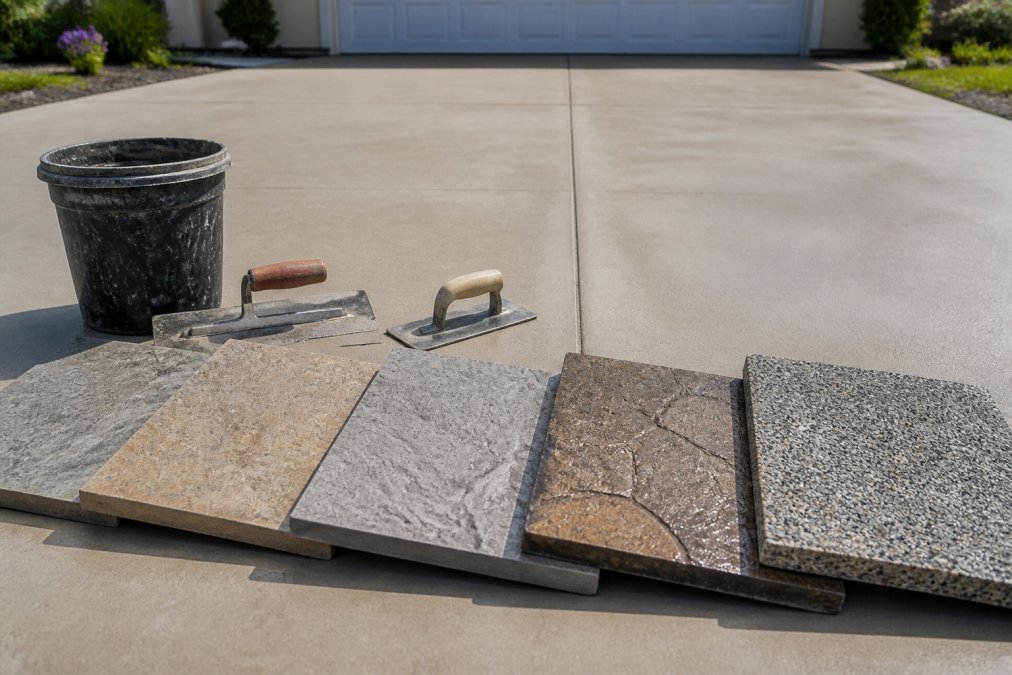
Table of Contents
- Quick Comparison Table
- 1. SureBroom: High-Strength Broom Finish
- 2. Duraamen Pasto: Stamped Overlay with Texture Options
- 3. Elite Crete Systems THIN-FINISH: Versatile Base Coat Solution
- 4. Miracote MiraStamp: Freeze-Thaw Resistant Overlay
- 5. Duraamen Uberdek: Fast-Curing Microtopping
- Pros and Cons of Concrete Driveway Resurfacing
- How to Prepare Concrete for Decorative Overlay
Last Updated: August 23, 2026
Quick Comparison Table
| Product | Type | Best For | Key Strength |
|---|---|---|---|
| SureBroom | Broom finish overlay | High-traffic driveways | 6000+ PSI compressive strength |
| Duraamen Pasto | Stamped overlay | Decorative finishes | Extensive texture and color options |
| Elite Crete THIN-FINISH | Versatile base coat | Multiple finish styles | Hybrid polymer technology |
| Miracote MiraStamp | Stamped overlay | Freeze-thaw climates | Cold-weather resistance |
| Duraamen Uberdek | Microtopping | Fast turnaround | 24-48 hour foot traffic readiness |
1. SureBroom: High-Strength Broom Finish
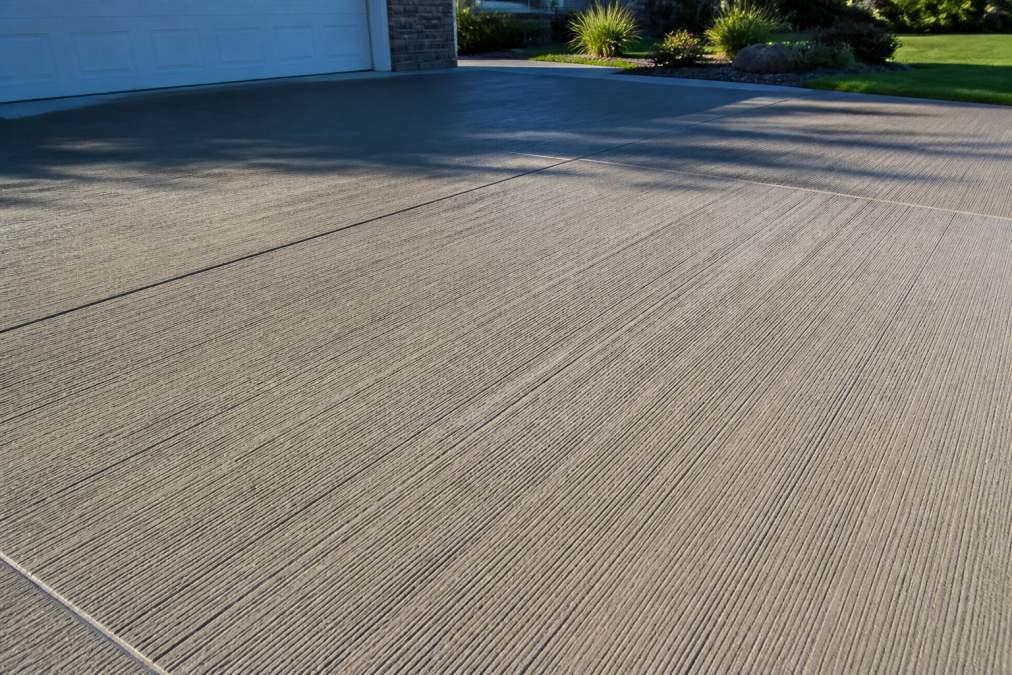
SureBroom delivers a durable, textured surface that hides imperfections and handles vehicle weight. This polymer-modified cementitious overlay achieves over 6000 PSI compressive strength, resisting freeze-thaw cycles and heavy loads without spalling (astm.org).
The broom finish provides genuine slip resistance on wet surfaces. Application methods vary from traditional broom to compressed air spray, giving contractors flexibility. Colors are customizable but sold separately.
SureBroom works best over structurally sound concrete with minor surface damage. Deep cracks or significant slab movement require foundation repair first, overlays won't solve structural problems. Success depends entirely on substrate preparation. Without proper shot blasting or acid etching, even quality overlays fail within 18-24 months.
SureBroom requires 48-72 hours curing before vehicle traffic, longer in cooler climates. Cost-effectiveness comes from avoiding full concrete replacement, you're resurfacing over existing slabs, eliminating demolition and disposal expenses.
2. Duraamen Pasto: Stamped Overlay with Texture Options
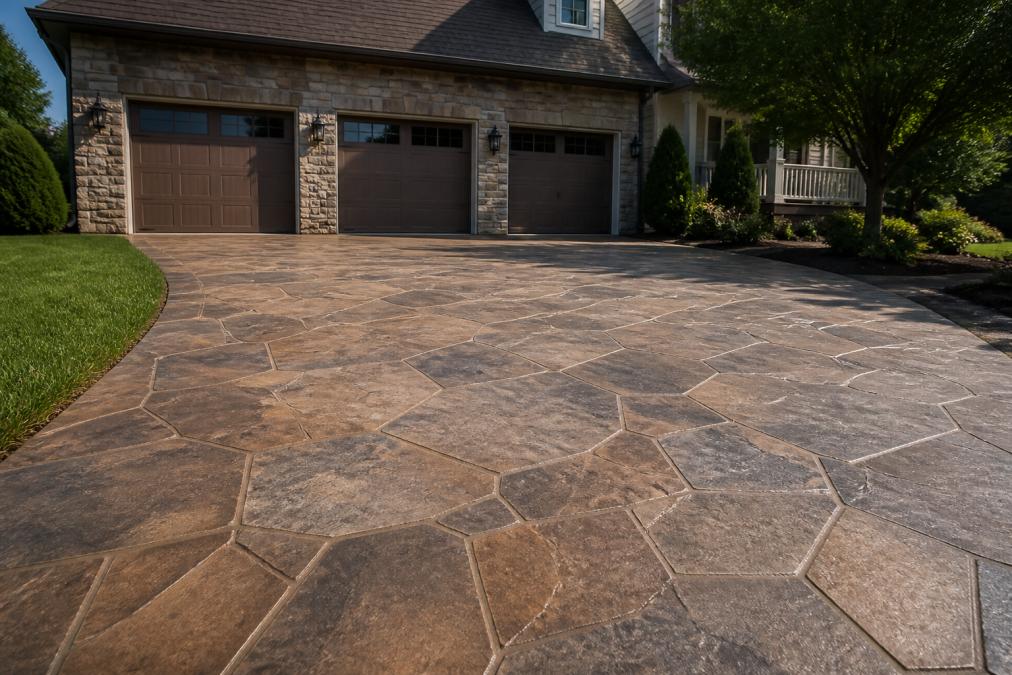
Duraamen Pasto replicates natural textures, slate, stone, brick, wood grain, with impressive detail. Applied at ¼-inch to ⅜-inch thickness, Pasto achieves 5500 PSI compressive strength for vehicular and pedestrian traffic.
Design versatility is Pasto's strength. Integral coloring with Colorfast, combined with acid stains, dyes, or water-based stains, creates depth that flat surfaces can't match. Stamping tools produce the actual texture, so contractor skill matters. A skilled applicator can create custom patterns that increase property value significantly.
Pasto's polymer-modified formula requires careful moisture management during the first 7 days. Too much water keeps the surface soft; too little prevents proper polymer crosslinking, reducing durability. Contractors who rush this step see premature wear and color fading within 2-3 years.
Pasto works best over stable, well-prepared concrete. Slab movement causes stamped patterns to crack along seams. Address active cracks wider than ⅛-inch before applying any stamped overlay.
3. Elite Crete Systems THIN-FINISH: Versatile Base Coat Solution
THIN-FINISH is a foundation layer enabling multiple finish options. Applied at 1/32-inch to 1/8-inch thickness, this hybrid polymer-modified cementitious coating provides improved adhesion, flexibility, and weather resistance.
THIN-FINISH works as a skim coat, bond coat, broom finish, slate trowel-down texture, or splatter/knockdown finish. One product handles multiple applications, base coat for stamped overlays, standalone finish for textured surfaces, or prep layer for decorative stains. Contractors can add integral coloring, antiquing stains, reactive stains, or dyes.
Hybrid polymer technology adds flexibility, reducing stress cracks from thermal expansion and contraction. In freeze-thaw climates, this flexibility prevents the scaling and spalling that destroy traditional overlays within 5-7 years (peer-reviewed research). Testing shows hybrid polymers reduce moisture vapor transmission issues that cause premature failure under sealants.
THIN-FINISH requires proper surface preparation through shot blasting or acid etching. Pricing requires contacting a certified distributor, as Elite Crete Systems products aren't sold directly.
4. Miracote MiraStamp: Freeze-Thaw Resistant Overlay
MiraStamp solves a specific problem: driveways in cold climates that fail prematurely. This polymer-fortified, two-component cementitious thin-stamped overlay produces decorative finishes while resisting freeze-thaw scaling.
Freeze-thaw resistance comes from polymer formulation and air entrainment. When water enters micro-cracks and freezes, it expands. MiraStamp's polymer matrix absorbs this stress without cracking, maintaining surface integrity through repeated cycles. In regions with winter salt applications, this matters enormously.
MiraStamp requires a multi-step process: primer, basecoat, and sealers. Each layer serves a function, primer establishes adhesion, basecoat builds thickness and strength, sealer protects against water and chloride penetration. Contractors who skip steps see premature failure.
Stamped finish options match Pasto's versatility. Standard and custom colors combined with stamping patterns create personalized designs. MiraStamp is LEED Credit eligible and suitable for commercial vehicular and pedestrian traffic.
Sealant maintenance is essential. MiraStamp's polymer matrix is durable, but surface sealant degrades under UV exposure. Resealing every 2-3 years extends the overlay's lifespan significantly.
Pricing requires contacting Miracote or a certified dealer. The two-component system typically costs more than single-component overlays, but freeze-thaw resistance justifies the investment in cold climates.
5. Duraamen Uberdek: Fast-Curing Microtopping
Uberdek represents speed without sacrificing durability. This polymer-modified concrete microtopping resurfaces existing concrete quickly. Ready for foot traffic in 24-48 hours and rubber tire traffic within 48 hours, Uberdek compresses project timelines significantly.
Specialty polymers promote rapid hydration without sacrificing cure strength. Self-curing technology means no additional curing methods, no wet burlap, no plastic sheeting. Spray or trowel application works equally well.
Uberdek provides excellent freeze-thaw stability and slip-resistant properties for pool decks, driveways, and patios. The polymer-modified formula resists UV rays, moisture, and temperature fluctuations better than standard cementitious overlays.
The tradeoff: Uberdek is designed for broom or trowel finishes, not intricate stamped patterns. For decorative stamped designs, Pasto or MiraStamp are better choices.
At approximately $56.95 per bag, Uberdek offers cost-effective resurfacing compared to concrete replacement. Coverage depends on substrate porosity; professional applicators calculate coverage carefully using moisture vapor transmission data.
Pros and Cons of Concrete Driveway Resurfacing
Concrete driveway resurfacing offers genuine advantages over full replacement, but real tradeoffs exist.
Advantages of Resurfacing:
Resurfacing preserves the existing concrete structure, eliminating demolition and disposal costs. Full replacement often costs 2-3 times more than quality overlay application. The existing concrete becomes the substrate for a new, durable surface layer.
Resurfacing minimizes project timeline. Most overlays cure within 48-72 hours, allowing vehicle traffic to resume quickly. Full replacement requires 7-14 days before any traffic.
Aesthetic flexibility transforms dated concrete into personalized surfaces. Stamped finishes replicate natural stone or brick without installation complexity. This design versatility increases property value and curb appeal.
Durability, when properly applied, matches or exceeds standard concrete. Polymer-modified overlays resist freeze-thaw cycles, salt exposure, and thermal stress better than plain concrete.
Disadvantages and Real Limitations:
Resurfacing depends entirely on substrate quality. If existing concrete has active structural movement, deep cracks, or poor drainage, an overlay will fail prematurely. You're covering the problem temporarily, not fixing it. This is the most common reason overlays fail within 2-3 years.
Call (919) 824-5403 or email craigrfear@gmail.com for a free estimate →
Surface preparation is labor-intensive and non-negotiable. Shot blasting, acid etching, or mechanical grinding must establish adequate bond strength. Contractors who skip this step see adhesion failure within months.
Sealant maintenance is ongoing. Most overlays require resealing every 2-3 years to maintain water resistance and UV protection. Neglecting maintenance accelerates degradation.
Existing slab issues persist. If your driveway settles unevenly or has drainage problems, an overlay addresses appearance only. Slab movement will eventually crack the overlay.
Climate impacts durability. Freeze-thaw cycles, salt exposure, and extreme temperature swings stress overlays differently. Products designed for freeze-thaw resistance perform better in cold climates.
How to Prepare Concrete for Decorative Overlay
Substrate preparation determines overlay success or failure. Most premature failures trace back to inadequate preparation, not product defects.
Step 1: Assess Existing Concrete Condition
Evaluate the substrate honestly. Look for active cracks wider than ⅛-inch, spalling, efflorescence (white powder deposits), or moisture issues. Pour water on the surface and observe absorption rate. Rapid absorption indicates high porosity; slow or no absorption suggests sealed or contaminated surfaces.
Check for slab movement by walking the driveway and feeling for uneven sections. Active movement indicates structural issues requiring professional assessment before overlay application.
Step 2: Clean the Surface Thoroughly
Remove all dirt, debris, oil stains, and contaminants. Pressure washing alone isn't sufficient. Use degreasing agents on contaminated areas, then rinse thoroughly and allow complete drying.
Efflorescence indicates moisture migration. Clean with acid washing or specialized cleaners, then allow complete drying. Residual salts prevent proper bond formation.
Step 3: Mechanical Surface Preparation
Surface porosity must be adequate for polymer-modified overlays to bond properly. Three primary methods establish proper surface profile:
Shot Blasting: High-velocity steel shot removes surface contaminants and creates micro-texture. This is the gold standard, producing consistent surface profile ideal for overlay bonding.
Acid Etching: Diluted muriatic acid chemically removes surface contaminants and opens pores. This method is less aggressive than shot blasting but effective for moderately contaminated surfaces. Careful neutralization and thorough rinsing prevent residual acid from interfering with adhesion.
Grinding: Diamond grinding removes sealers and creates texture. This gentler method is sufficient for lightly contaminated surfaces.
The preparation method depends on existing surface condition. Heavily sealed surfaces require shot blasting; moderately contaminated surfaces may use acid etching; lightly contaminated surfaces can use grinding.
Step 4: Moisture Management
Concrete must be dry before overlay application. Allow 24-48 hours drying time after cleaning, depending on ambient humidity and temperature. In humid climates, allow additional drying time.
Test moisture levels using a calcium chloride test or moisture meter. Most overlay manufacturers specify maximum moisture vapor transmission rates, typically 3-5 pounds per 1,000 square feet per 24 hours.
Step 5: Crack Management
Hairline cracks (less than ⅛-inch) can be addressed with self-leveling underlayment or caulk before overlay application. Wider cracks require routing and filling with flexible sealants or epoxy injection. Address active cracks exceeding ⅛-inch movement before overlay application.
Step 6: Primer Application
Most decorative overlays require primer to establish adhesion. Primer fills micro-pores and creates a chemical bond between substrate and overlay. Allow primer to cure fully, typically 4-24 hours, before overlay application.
Step 7: Environmental Conditions During Application
Temperature and humidity affect overlay cure and performance. Most products specify application windows: typically 50-85°F with relative humidity below 85% (astm.org). Plan overlay application during favorable weather windows. Avoid application during rain or when rain is forecast within 24-48 hours after application.
Concrete driveway resurfacing through decorative overlays offers a cost-effective alternative to full replacement when substrate preparation is thorough and product selection matches climate conditions. Concrete-Enhancements has spent over 20 years perfecting this process across the Raleigh-Durham Triangle, NC Triad, and Coastal SC. Our CTi Certified Dealer status means we follow industry best practices for substrate preparation, product selection, and application technique. Contact Concrete-Enhancements at (919) 824-5403 or craigrfear@gmail.com for a free estimate, we'll assess your existing concrete, recommend the right overlay system for your climate, and ensure proper preparation for long-term durability.
Frequently Asked Questions
Q: What is the best overlay for a concrete driveway?
A: The best decorative concrete overlay depends on your goals and budget. For durability in freeze-thaw climates, Miracote MiraStamp offers exceptional weather resistance. For quick resurfacing, Duraamen Uberdek cures in 24-48 hours. For aesthetic stamped finishes, Duraamen Pasto or Elite Crete TEXTURE-PAVE deliver realistic stone looks. A professional assessment of your existing concrete condition and local climate determines the ideal choice for your driveway.
Q: How long does a decorative concrete overlay last on a driveway?
A: Quality decorative concrete overlays typically last 10-15 years or longer with proper maintenance. Durability depends on substrate preparation, compressive strength (look for 5500+ PSI ratings), sealant application, and climate exposure. Products like Miracote MiraStamp with freeze-thaw resistance perform better in cold regions. Regular sealing every 2-3 years and prompt repair of minor cracks extend overlay lifespan significantly.
Q: Can you apply a decorative overlay over a cracked driveway?
A: Yes, but proper preparation is critical. Small cracks (under 1/8 inch) can be sealed before overlay application. Larger cracks require substrate repair first. Products with crack-bridging capability, like polymer-modified overlays, handle minor substrate movement better than rigid coatings. However, structural issues causing major cracking may need concrete repair before overlay installation. Professional assessment determines if your slab is suitable for resurfacing.
Q: What are the downsides of using a concrete overlay?
A: Concrete overlays require meticulous surface preparation; improper substrate cleaning causes premature peeling. They add thickness (typically 1/16 to 3/8 inch), which can affect drainage or door clearances. Stamped finishes need specialized tools and skilled labor, increasing costs. Overlays also depend on the underlying slab's structural integrity; if your concrete is severely damaged or unstable, overlay alone won't solve the problem. Maintenance, including periodic resealing, is necessary for longevity.
This article was written using GrandRanker
Frequently Asked Questions
A: The best decorative concrete overlay depends on your goals and budget. For durability in freeze-thaw climates, Miracote MiraStamp offers exceptional weather resistance. For quick resurfacing, Duraamen Uberdek cures in 24-48 hours. For aesthetic stamped finishes, Duraamen Pasto or Elite Crete TEXTURE-PAVE deliver realistic stone looks. A professional assessment of your existing concrete condition and local climate determines the ideal choice for your driveway.
A: Quality decorative concrete overlays typically last 10-15 years or longer with proper maintenance. Durability depends on substrate preparation, compressive strength (look for 5500+ PSI ratings), sealant application, and climate exposure. Products like Miracote MiraStamp with freeze-thaw resistance perform better in cold regions. Regular sealing every 2-3 years and prompt repair of minor cracks extend overlay lifespan significantly.
A: Yes, but proper preparation is critical. Small cracks (under 1/8 inch) can be sealed before overlay application. Larger cracks require substrate repair first. Products with crack-bridging capability, like polymer-modified overlays, handle minor substrate movement better than rigid coatings. However, structural issues causing major cracking may need concrete repair before overlay installation. Professional assessment determines if your slab is suitable for resurfacing.
A: Concrete overlays require meticulous surface preparation; improper substrate cleaning causes premature peeling. They add thickness (typically 1/16 to 3/8 inch), which can affect drainage or door clearances. Stamped finishes need specialized tools and skilled labor, increasing costs. Overlays also depend on the underlying slab's structural integrity; if your concrete is severely damaged or unstable, overlay alone won't solve the problem. Maintenance, including periodic resealing, is necessary for longevity.