how-to
How Long Does Epoxy Primer Take to Dry? 2026 Guide
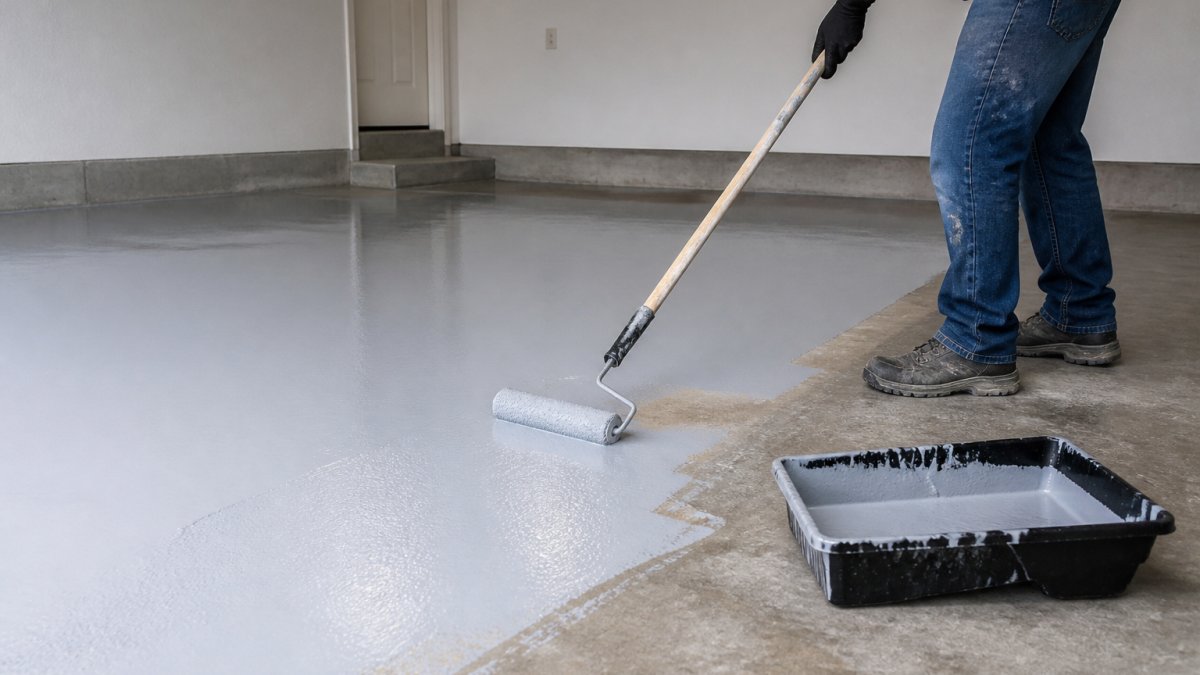
Table of Contents
- How Long Does Epoxy Primer Take to Dry? A Timeline from Mix to Topcoat
- Epoxy Primer Cure Time: When the Coating Is Fully Hardened
- 2K Epoxy Primer Dry Time: What Changes with Two-Component Formulas
- What Affects Epoxy Primer Drying Time: Temperature, Humidity, Airflow, and Film Thickness
- Troubleshooting Epoxy Primer That Stays Tacky or Won't Cure
- Frequently Asked Questions
Last Updated: October 12, 2026
How Long Does Epoxy Primer Take to Dry? A Timeline from Mix to Topcoat
Epoxy primer typically dries to the touch in 30 minutes to 2 hours and fully cures in 24 to 72 hours, depending on product, temperature, humidity, and coat thickness.
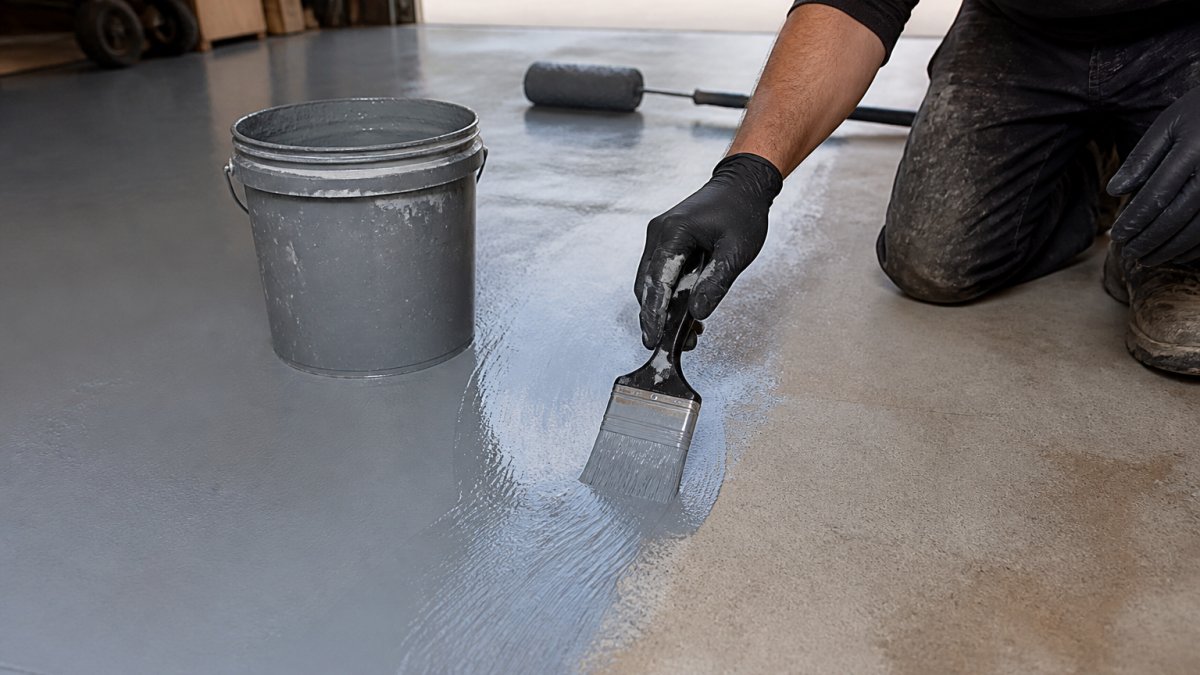
Epoxy forms a chemical bond while curing; once fully cured, that bond closes and a fresh coat sits on the surface instead of locking in.
How long does epoxy primer take to dry enough to recoat?
If you go past the maximum window, do this:
- Scuff the surface with 180 to 320 grit paper
- Wipe off all dust with a clean rag
- Apply the next coat within an hour of sanding
Skipping the sand on a cured coat is common: the topcoat may look fine for weeks, then peel in sheets.
Epoxy Primer Cure Time: When the Coating Is Fully Hardened
Full cure takes 24 to 72 hours for most epoxy primers, and some need up to 7 days for full chemical resistance.
Cure is a chemical reaction, not evaporation: the two parts crosslink into a hard film, slowing in cold and speeding up in heat.
During the cure period:
- Keep traffic off the surface
- Avoid water, solvents, and heavy loads
- Keep the space ventilated
Waiting the full cure protects your investment: driving on a half-cured floor can leave permanent tire marks and indentations.
2K Epoxy Primer Dry Time: What Changes with Two-Component Formulas
2K epoxy primer dry time is faster and more predictable than one-part formulas because it cures chemically, not just by solvent evaporation. Mixed correctly, a 2K primer often dries to touch in 30 to 60 minutes and cures fully in 24 hours, though real timing depends on your product, mixing ratio, and workspace conditions.
Two-component epoxies crosslink through an exothermic reaction that starts the moment you mix resin and hardener, the clock runs before you pick up a brush or spray gun.
The Four Stages of 2K Epoxy Primer Drying
Most 2K epoxy primers move through four stages, each with its own timing window:
- Dry to touch - the surface no longer feels wet or sticky, usually 30 to 60 minutes at 70°F
- Sandable - the film is hard enough to scuff without gumming up paper, often 2 to 4 hours
- Recoat-ready - the primer can accept a second coat or topcoat, typically 4 to 24 hours
- Fully cured - the coating reaches full hardness and chemical resistance, usually 24 hours, sometimes up to 7 days for full chemical resistance
Confusing these stages is the top reason 2K jobs fail. The recoat window is critical: too early traps solvents; too late loses the chemical bond and requires sanding.
A Product-Agnostic Timing Guide for 2K Epoxy Primers
Because timing varies by formulation, always check the product's technical data sheet (TDS). Use this general range as a starting point:
| Stage | Typical Time at 70°F | What to Check |
|---|---|---|
| Pot life | 4 to 8 hours | Working time after mixing; shorter in heat |
| Flash time between coats | 15 to 30 minutes | Wait until tacky but not stringy |
| Dry to touch | 30 to 60 minutes | Surface no longer feels wet |
| Sandable | 2 to 4 hours | Sandpaper produces fine powder, not clumps |
| Recoat window | 4 to 24 hours | Check TDS for minimum and maximum |
| Full cure | 24 hours to 7 days | Full hardness and chemical resistance |
These numbers assume 70°F to 77°F, humidity under 50%, and good airflow. Cold can double or triple them; high humidity can prevent curing. Verify with your product's TDS.
Key Timing Points for 2K Epoxy Primer
- Pot life - working time after mixing, often 4 to 8 hours; in heat it can shrink to 1 to 2 hours. Mix only what you can apply.
- Flash time - 15 to 30 minutes between coats, letting solvents escape before the next coat traps them.
- Dry to touch - 30 to 60 minutes at room temperature; not the same as recoat-ready.
Mixing Ratio Errors and Their Effect on Dry Time
Mixing ratio errors are the top cause of 2K primer problems: too little hardener leaves it tacky for days or never cured; too much cures it too fast to apply evenly, often skinning over in the bucket.
Some products measure by volume, others by weight, always follow the TDS. If unsure, mix a small test batch on scrap to observe dry time before committing to the whole floor.
When to Choose 2K vs. One-Part Epoxy Primer
For large concrete projects, 2K formulas give more control and faster return to service, but cost more and demand careful measuring. For a single garage floor, one-part products are easier but cure slower and offer less chemical resistance.
For a garage floor facing hot tires, road salt, or chemical spills, 2K is usually the better choice, the faster cure and superior adhesion justify the cost and mixing effort.
What Affects Epoxy Primer Drying Time: Temperature, Humidity, Airflow, and Film Thickness
Four factors control epoxy primer drying: temperature, humidity, airflow, and film thickness. Understanding how they interact separates a successful coating from a failed one.
Temperature
Epoxy likes warmth. At 70°F to 77°F most primers cure on schedule; below 60°F dry times can double or triple; below 50°F many epoxies will not cure properly; above 90°F the primer skins over too fast and pot life shrinks dramatically.
Call (919) 824-5403 or email craigrfear@gmail.com for a free estimate →
Concrete slabs can run 10 to 15 degrees cooler than the air, especially in spring and fall. Always measure surface temperature, not just air, an infrared thermometer is a worthwhile investment.
Humidity
High humidity slows solvent release and can cause a white, cloudy film called blushing. Aim for 50% relative humidity or lower; above 70%, solvents cannot escape and the surface may stay sticky for days. In coastal or rainy conditions, run a dehumidifier or wait for a drier day.
Airflow
Moving air carries solvents away and speeds drying, but do not blow dust onto a wet surface. Use indirect airflow, point a fan at a wall or ceiling. Even a small box fan makes a noticeable difference in a closed garage.
Film Thickness
A thick coat holds solvents longer and cures from the outside in. Two thin coats beat one heavy coat: a too-thick primer can feel dry while the film underneath stays soft for days, a common cause of premature topcoating and blistering.
How Each Factor Shifts Your Timeline
Here is how each factor shifts your timeline:
| Factor | Ideal Range | Effect If Off |
|---|---|---|
| Temperature | 70°F - 77°F | Cold slows cure, heat shortens pot life |
| Humidity | Under 50% | High humidity causes blushing and slow dry |
| Airflow | Gentle, steady | Still air traps solvents, strong air adds dust |
| Film thickness | Thin, even coats | Thick coats stay soft inside for days |
Troubleshooting Primer That Stays Tacky or Does Not Cure
If your primer stays tacky past its listed dry time, check these causes:
- Wrong mixing ratio - Off-ratio two-part epoxy can stay soft for days or never harden.
- Cold temperature - Bring the space to at least 65°F and give it more time.
- High humidity - Above 70% relative humidity, solvents cannot escape; run a dehumidifier or wait.
- No airflow - Trapped solvent keeps the film soft; add gentle circulation.
- Expired hardener - Check date codes on both components.
- Contaminated surface - Oil, dust, or moisture blocks the bond and curing.
If it has been tacky more than 48 hours at proper temperature, it likely will not cure on its own. Scrape or sand back to bare concrete, clean, and reapply with a fresh batch.
What If the Primer Cured Too Fast?
Fast cure usually means high heat or too much hardener. If the surface skinned over, sand it smooth and apply a fresh coat. Work in smaller sections, mix smaller batches in hot weather, and keep the container cool between applications.
Practical Timeline from Mixing Through Topcoat
Here is a step-by-step schedule for a typical garage floor job at 70°F and 50% humidity:
- Mix - Combine resin and hardener per TDS; note the pot life.
- Apply primer - Roll or spray a thin, even coat.
- Flash time - Wait 15 to 30 minutes before a second primer coat.
- Dry to touch - 30 to 60 minutes; do not touch.
- Sandable - 2 to 4 hours; lightly scuff if needed.
- Recoat window - 4 to 24 hours; apply topcoat within it for a chemical bond.
- Full cure - 24 hours to 7 days; keep traffic off and avoid chemicals.
Adjust for conditions: colder or more humid means add time to every step; hotter and drier means subtract, but do not let the primer skin over before you finish.
Troubleshooting Epoxy Primer That Stays Tacky or Won't Cure
Start with the mix.
Next, check the conditions. A cold garage in winter will slow cure to a crawl.
Other common causes:
- Humidity above 70% - solvents cannot escape, so the surface stays sticky
- No airflow - trapped solvent keeps the film soft
- Expired hardener - old product loses its reactivity
For larger jobs, this is where professional help pays off.
Epoxy primer timing is a range that shifts with your product, space, and prep.
If you would rather skip the guesswork, Concrete-Enhancements can handle the whole job.
Frequently Asked Questions
What is the difference between epoxy primer dry time and cure time?
Dry time is when the primer is no longer wet and can be touched or recoated, usually a few hours at room temperature. Cure time is when the coating has fully hardened and reached its final chemical and physical properties, often 24 to 72 hours or longer. You can often apply a topcoat during the recoat window before full cure, but you should not sand or subject the primer to heavy loads until it is fully cured.
Does temperature affect how quickly epoxy primer dries?
Yes, temperature has a major impact. Most epoxy primers are formulated to cure at temperatures between 65°F and 85°F. Below 60°F, the chemical reaction slows dramatically, and the primer may stay tacky for days. Above 90°F, the pot life and working time shorten, and the primer may skin over too quickly. Always check the product data sheet for the manufacturer's recommended temperature range and adjust your schedule accordingly.
What happens if you apply a topcoat before epoxy primer is ready?
Applying a topcoat too early can trap solvents and cause wrinkling, blistering, or poor adhesion. If the primer is still off-gassing, the topcoat may not bond properly and could peel or flake within weeks. Always wait until the primer has reached the manufacturer's specified recoat window. If you miss the window, you will need to sand the primer to create a mechanical bond before applying the topcoat.
How can you tell when epoxy primer is dry enough to recoat?
The most reliable method is to follow the product data sheet's recoat window, which is typically 4 to 24 hours at 70°F. As a field check, lightly touch the surface with a clean, gloved finger; it should feel dry and not transfer any material. For a more accurate test, press a small piece of masking tape onto the surface and pull it off. If primer comes off on the tape, it is not ready. When in doubt, wait longer or consult the manufacturer's guidelines.
Tags: how long does epoxy primer take to dry, epoxy primer recoat time, epoxy primer cure time, epoxy primer dry time before topcoat, 2k epoxy primer dry time
Frequently Asked Questions
Dry time is when the primer is no longer wet and can be touched or recoated, usually a few hours at room temperature. Cure time is when the coating has fully hardened and reached its final chemical and physical properties, often 24 to 72 hours or longer. You can often apply a topcoat during the recoat window before full cure, but you should not sand or subject the primer to heavy loads until it is fully cured.
Yes, temperature has a major impact. Most epoxy primers are formulated to cure at temperatures between 65°F and 85°F. Below 60°F, the chemical reaction slows dramatically, and the primer may stay tacky for days. Above 90°F, the pot life and working time shorten, and the primer may skin over too quickly. Always check the product data sheet for the manufacturer's recommended temperature range and adjust your schedule accordingly.
Applying a topcoat too early can trap solvents and cause wrinkling, blistering, or poor adhesion. If the primer is still off-gassing, the topcoat may not bond properly and could peel or flake within weeks. Always wait until the primer has reached the manufacturer's specified recoat window. If you miss the window, you will need to sand the primer to create a mechanical bond before applying the topcoat.
The most reliable method is to follow the product data sheet's recoat window, which is typically 4 to 24 hours at 70°F. As a field check, lightly touch the surface with a clean, gloved finger; it should feel dry and not transfer any material. For a more accurate test, press a small piece of masking tape onto the surface and pull it off. If primer comes off on the tape, it is not ready. When in doubt, wait longer or consult the manufacturer's guidelines.