how-to
How to Fix Cracked Concrete Slab Foundation
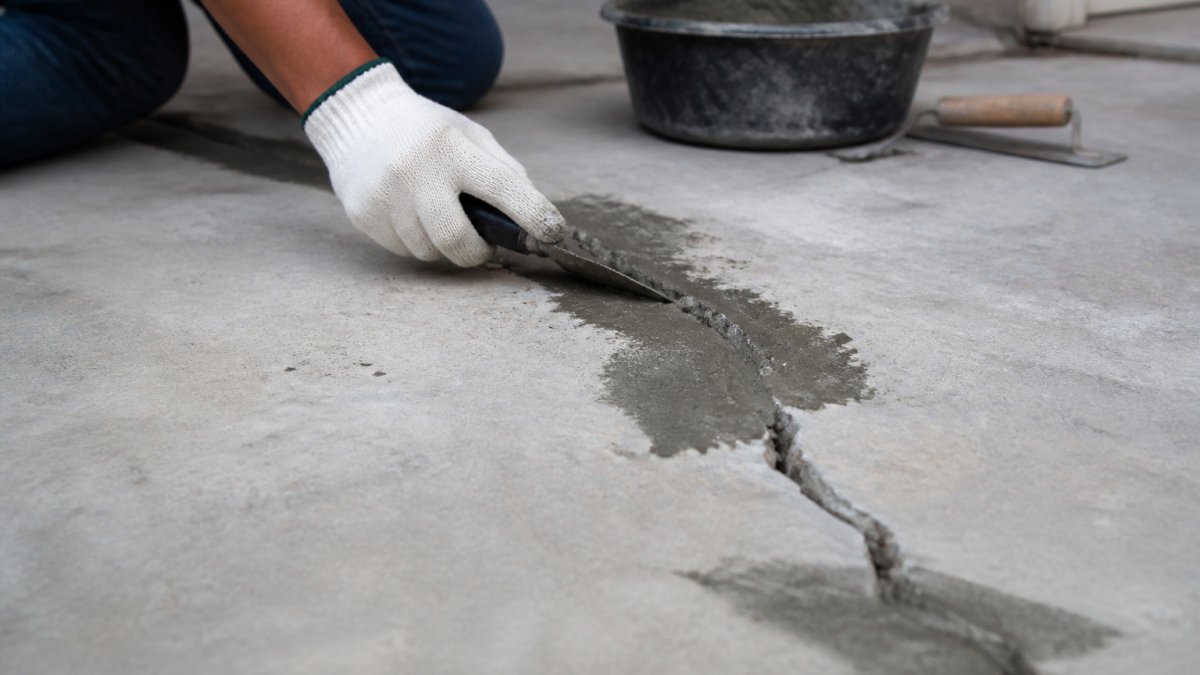
Table of Contents
- Assess the Crack: Severity and Type
- Identify Signs of Foundation Problems
- Understand Repair Methods Before You Start
- DIY Concrete Crack Filler: When and How
- Concrete Foundation Crack Repair Cost
- When to Call a Professional
- Monitor and Prevent Future Cracks
- Frequently Asked Questions
Last Updated: October 11, 2026
Assess the Crack: Severity and Type
The first step to fix cracked concrete slab foundation issues is understanding what you're dealing with: some cracks are cosmetic, others signal structural movement needing professional intervention.
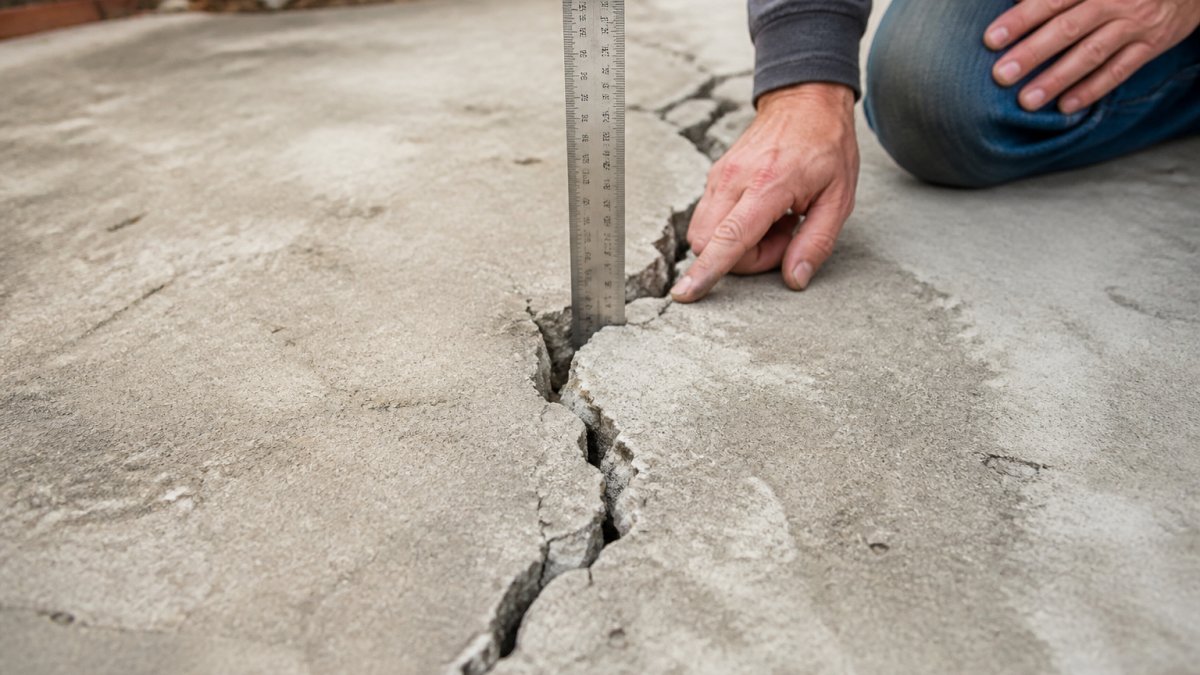
Examine the crack's width, direction, and whether it's growing to decide if you can DIY or need a pro.
Measuring Foundation Crack Width
Crack width is your first diagnostic tool. A hairline crack under 1/8 inch is cosmetic and can be sealed with caulk or concrete filler.
Cracks 1/8 to 1/4 inch are moderate, not emergencies, but worth attention. Many homeowners repair these with epoxy or polyurethane injection.
Cracks wider than 1/4 inch signal potential structural issues; anything over 1/2 inch needs professional inspection. Wide cracks often indicate foundation settlement or soil movement beneath the slab.
To measure accurately:
- Use a ruler or measuring tape
- Measure at multiple points along the crack
- Note if the width varies
- Check for clean edges or spalling (breaking away)
Crack Direction and Pattern
Crack direction reveals what's stressing the concrete. Vertical cracks often result from shrinkage or minor settling and are usually less serious.
Horizontal cracks are more concerning, often indicating settlement or soil pressure pushing against the slab from below.
Diagonal cracks at 45-degree angles often point to uneven settling or differential movement and typically require professional assessment.
Stair-step cracks zigzagging along mortar joints in concrete block foundations signal serious structural movement and need professional evaluation.
Multiple cracks spreading across the slab suggest systemic issues like poor drainage, soil settlement, or inadequate foundation design.
Signs of Active Movement
The most important question: is this crack growing? Active movement changes your repair strategy.
Watch for these signs:
- Cracks that are wider at one end than the other
- Concrete lips where one side of the crack is higher than the other (displacement)
- Cracks that have reopened after being sealed
- New cracks appearing near existing ones
- Visible gaps between the crack edges
Document the crack now: take dated photos, measure precisely, mark endpoints, and check again in 2-3 months. If it has widened or displaced, you have active movement.
Active movement means the underlying cause is still happening. Sealing an actively moving crack without addressing the root cause is temporary, it will reopen.
Identify Signs of Foundation Problems
Settlement is the most common culprit. Soil beneath the foundation compresses unevenly, cracking the slab as it adjusts.
Water and moisture destabilize soil. Heavy rainfall, poor drainage, or a rising water table softens the soil beneath the slab, causing cracking and displacement.
Concrete shrinkage happens as concrete cures: water evaporates, the concrete shrinks, and uneven or rapid shrinkage forms hairline cracks.
Structural loads can crack concrete.
Check your foundation for these additional warning signs:
- Doors and windows that stick or won't close properly
- Visible gaps between walls and the foundation
- Bowing or leaning walls
- Water seeping into the basement or crawl space
- Musty odors suggesting moisture problems
- Efflorescence (white powder deposits) on concrete surfaces
These signs point to problems beyond simple surface cracks and suggest professional inspection and repair planning.
Understand Repair Methods Before You Start
Concrete slab foundation repair comes down to three approaches, injection, lifting, and underpinning, each addressing different problems at different costs.
Epoxy and Polyurethane Injection
Injection methods fill cracks from the inside out. Epoxy and polyurethane are the most common materials.
Epoxy is rigid once cured and bonds strongly to concrete, working best for structural cracks that aren't moving.
Polyurethane is more flexible, expanding slightly as it cures to fill small voids. It works better for cracks with minor movement and blocks water intrusion because it stays flexible.
Professional injection typically involves:
- Cleaning the crack thoroughly
- Installing injection ports along the crack
- Pumping epoxy or polyurethane under pressure
- Allowing proper curing time (usually 24-48 hours)
- Removing injection ports and sealing the surface
Injection is effective for cracks up to about 1/2 inch wide; wider cracks need different approaches. Injection seals the crack but doesn't address its cause, so if the problem persists, the crack may reopen or new ones may form.
Concrete Lifting and Slabjacking
Slabjacking (also called mudjacking) lifts sunken concrete back to its original level, addressing settlement directly.
The process involves drilling holes in the sunken slab and pumping a dense slurry (typically limestone, fly ash, and cement) beneath it. The slurry fills voids, lifts the concrete, and hardens into stable support.
Concrete lifting works well for:
- Slabs that have settled unevenly
- Cracks caused by differential settlement
- Sunken driveways, patios, or interior floors
- Situations where the foundation itself is still sound
Slabjacking doesn't work if the soil beneath the slab is severely compromised or the slab is severely cracked, the lifted concrete may crack further or settle again.
Concrete lifting addresses the root cause, unstable soil support, but costs more and requires professional equipment. Homeowners cannot DIY slabjacking.
Call (919) 824-5403 or email craigrfear@gmail.com for a free estimate →
Foundation Piers and Underpinning
When settlement is severe or ongoing, piers become necessary. Piers are vertical supports driven deep into stable soil or bedrock beneath the foundation.
Underpinning installs piers under the existing foundation for permanent, stable support. It's the most invasive and expensive method, but also the most permanent.
Piers are used when:
- Settlement is severe and ongoing
- The soil beneath the foundation is unstable
- Slabjacking has failed or isn't suitable
- The foundation itself is damaged beyond repair
Underpinning requires excavation, specialized equipment, and professional expertise. It's not a DIY project. But it solves foundation problems at their source by anchoring the foundation to stable support deep below the surface.
DIY Concrete Crack Filler: When and How
If your crack is a hairline (under 1/8 inch) or small moderate crack (1/8 to 1/4 inch) and isn't actively moving, you can fix cracked concrete slab damage yourself to prevent water intrusion and stop the problem from worsening.
Materials and Tools You'll Need
For a basic concrete crack repair, gather:
- Concrete cleaner or wire brush to remove dirt and loose concrete
- Shop vacuum or compressed air to clear the crack
- Concrete crack filler or caulk (silicone, polyurethane, or concrete-specific)
- Caulking gun (for caulk-style filler)
- Putty knife or scraper to smooth the filler
- Safety glasses and work gloves
- Backer rod (foam rope) for wider cracks
For hairline cracks, concrete caulk works well. For slightly wider cracks, concrete-specific fillers or polyurethane sealants provide better results. Read the product instructions, curing times and application methods vary.
Step-by-Step DIY Repair Process
Step 2: Prepare the crack. For cracks wider than 1/8 inch, insert backer rod (foam rope) so filler doesn't sink too deep.
Step 4: Smooth the surface. While wet, smooth the filler with a putty knife or gloved finger to a flush surface that blends with surrounding concrete.
Step 5: Allow proper curing. Don't disturb the repair until fully cured, most concrete fillers need 24-48 hours. Check product instructions and keep the area dry.
Step 6: Inspect the repair. Once cured, check that the filler adhered properly and filled the crack completely. Repeat if gaps remain.
Curing Time and Aftercare
Patience during curing is critical, premature use can damage the seal. Most concrete fillers reach initial set in 24 hours but full cure in 48-72 hours.
After curing:
- Avoid heavy foot traffic on the repair for at least 1 week
- Don't apply water or moisture to the repair for at least 48 hours
- Monitor the repair over the following months for signs of failure
- Reapply sealant if the filler cracks, shrinks, or separates from the concrete
Concrete Foundation Crack Repair Cost
Repair costs depend on crack size, severity, repair method, and whether you DIY or hire professionals.
DIY repairs for hairline and small cracks cost $15 to $50 in materials and take an hour or two.
Slabjacking requires specialized equipment and expertise. Costs vary widely with area lifted and void depth, a substantial investment, but it addresses settlement directly.
Foundation underpinning with piers is the most expensive option, requiring excavation, specialized equipment, and significant labor.
Several factors drive repair costs:
- Crack length and width
- Crack location (accessible or difficult to reach)
- Whether the underlying cause has been identified
- Local labor rates
- Urgency of the repair
Get multiple professional quotes before deciding, and ask what's included and whether they address the underlying cause or just seal the crack.
When to Call a Professional
Some cracks demand professional attention. Don't delay if you see these signs:
- Cracks wider than 1/4 inch
- Horizontal or diagonal cracks
- Multiple cracks across the foundation
- Cracks showing active movement (widening or displacing)
- Cracks accompanied by other foundation problems (stuck doors, bowing walls, water intrusion)
- Stair-step cracks in concrete block foundations
A professional foundation inspector can diagnose the underlying cause and recommend the right repair method. At Concrete-Enhancements, we offer professional repair planning, backed by 20+ years of experience with structural concrete issues.
Professional repairs also come with warranties and guarantees. If the repair fails, the contractor typically stands behind the work. DIY repairs don't carry that assurance.
Monitor and Prevent Future Cracks
After repairing a crack, don't assume the problem is solved. Monitor the repair and prevent new cracks.
Check the repair every 3-6 months for failure signs: filler separating from concrete, new cracks nearby, or the original crack reopening.
Prevent future cracks by managing moisture and drainage around your foundation:
- Ensure gutters and downspouts direct water away from the foundation
- Grade the soil around the foundation so water slopes away
- Fix any water intrusion problems in basements or crawl spaces
- Maintain consistent moisture levels in the soil (not too wet, not too dry)
- Address drainage issues promptly
Interior cracks often reflect exterior problems: poor drainage, water intrusion, or underground soil movement.
Document your foundation's condition with photos and measurements.
Foundation cracks don't have to become foundation failures. Small cracks sealed promptly stay small.
At Concrete-Enhancements, we specialize in concrete repair and restoration. Our CTi Certified team has repaired hundreds of cracked concrete slabs across the region.
Frequently Asked Questions
How serious is a crack in a concrete slab foundation?
Severity depends on crack width, direction, and whether it's growing. Hairline cracks under 1/8 inch are typically cosmetic. Cracks 1/8 to 1/4 inch wide may indicate settlement or minor structural stress. Cracks wider than 1/4 inch, especially horizontal or diagonal cracks, or cracks that widen over time, suggest structural movement and require professional evaluation. Vertical cracks are often less serious than horizontal ones, which can indicate lateral soil pressure or foundation movement.
Can I repair a slab foundation crack myself with DIY concrete crack filler?
Small, stable, cosmetic cracks can be filled with concrete caulk, epoxy filler, or polyurethane sealant. Clean the crack thoroughly, apply backer rod if needed, and fill with your chosen product. However, DIY repair works best for cracks under 1/8 inch that aren't actively moving. Wider cracks, structural cracks, or cracks in foundation walls should be handled by professionals using injection systems or other structural methods.
What should I know about concrete foundation crack repair cost?
Repair costs vary based on crack width, depth, location, and repair method chosen. Cosmetic surface sealing is less expensive than injection systems or slabjacking. Structural repairs involving foundation piers or underpinning are the most costly. Factors affecting estimates include soil conditions, water intrusion, accessibility, and whether the crack is actively moving. Contact Concrete-Enhancements for a free estimate tailored to your specific situation and crack severity.
How can I tell if a foundation crack is getting worse?
Document the crack with photos and measurements before and after each month. Use a ruler or caliper to track width changes. Mark the crack ends with tape or paint and check if it extends beyond the marks. Diagonal cracks that grow indicate ongoing settlement. If doors or windows begin sticking, or if you notice new cracks appearing, these are signs of active movement. Professional inspections with crack monitors can precisely track displacement over time and help determine if professional repair is needed.
Tags: fix cracked concrete slab, how to fix cracked concrete slab foundation, foundation crack width, concrete foundation crack repair cost, diy concrete crack filler, signs of foundation problems
Frequently Asked Questions
Severity depends on crack width, direction, and whether it's growing. Hairline cracks under 1/8 inch are typically cosmetic. Cracks 1/8 to 1/4 inch wide may indicate settlement or minor structural stress. Cracks wider than 1/4 inch, especially horizontal or diagonal cracks, or cracks that widen over time, suggest structural movement and require professional evaluation. Vertical cracks are often less serious than horizontal ones, which can indicate lateral soil pressure or foundation movement.
Small, stable, cosmetic cracks can be filled with concrete caulk, epoxy filler, or polyurethane sealant. Clean the crack thoroughly, apply backer rod if needed, and fill with your chosen product. However, DIY repair works best for cracks under 1/8 inch that aren't actively moving. Wider cracks, structural cracks, or cracks in foundation walls should be handled by professionals using injection systems or other structural methods.
Repair costs vary based on crack width, depth, location, and repair method chosen. Cosmetic surface sealing is less expensive than injection systems or slabjacking. Structural repairs involving foundation piers or underpinning are the most costly. Factors affecting estimates include soil conditions, water intrusion, accessibility, and whether the crack is actively moving. Contact Concrete-Enhancements for a free estimate tailored to your specific situation and crack severity.
Document the crack with photos and measurements before and after each month. Use a ruler or caliper to track width changes. Mark the crack ends with tape or paint and check if it extends beyond the marks. Diagonal cracks that grow indicate ongoing settlement. If doors or windows begin sticking, or if you notice new cracks appearing, these are signs of active movement. Professional inspections with crack monitors can precisely track displacement over time and help determine if professional repair is needed.