how-to
How to Remove Oil Stains From Concrete
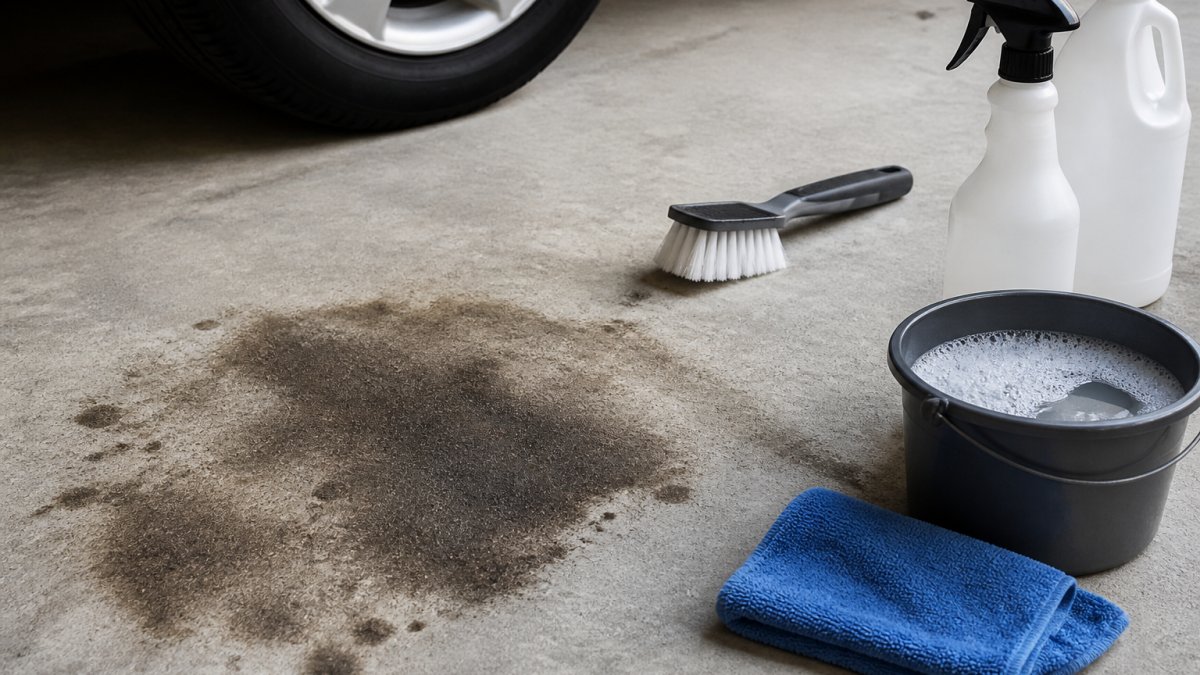
Table of Contents
- How to Remove Oil Stains From Concrete: The Complete Process
- How to Absorb Fresh Oil Spills on Concrete
- Best Concrete Degreaser for Oil Stains
- Does TSP Remove Oil Stains From Concrete
- How to Remove Old Oil Stains From Concrete
- Safety, Runoff, and Protecting Your Concrete
- Prevention and Long-Term Protection
- When to Call a Professional
- Frequently Asked Questions
Last Updated: October 19, 2026
How to Remove Oil Stains From Concrete: The Complete Process
Oil stains on concrete are stubborn, but they're not permanent. Whether you're dealing with a fresh spill in your garage or a years-old stain on your driveway, the approach changes based on how long the oil has been there and how deep it's penetrated.
The key to removing oil stains from concrete is acting quickly on fresh spills and using the right combination of absorbents, degreasers, and mechanical action for older stains.
This guide walks you through every method for how to remove oil stains from concrete, from immediate cleanup to deep-set stain removal. We'll cover what works best for different situations, safety considerations, and how to prevent future stains.
How to Absorb Fresh Oil Spills on Concrete
The first few minutes after an oil spill matter more than anything else. Fresh oil sits on the surface before it begins soaking into the concrete's pores. If you act immediately, you can prevent most of the stain from setting in.
Why Speed Matters With Fresh Oil
Oil that sits on the surface for hours is still manageable. Oil that's been there for days starts bonding to the concrete at a molecular level. Once that happens, surface absorption won't work, you'll need chemical treatment or abrasion.
Blot the spill first with old rags or paper towels. Don't spread it around. Press down to soak up as much liquid oil as possible before it spreads further. This single step prevents the stain from getting worse and gives you a real chance at complete removal.
Best Absorbent Materials
The most effective absorbents for fresh oil are:
- Cat litter, The most common choice. Use unscented, clay-based litter. Pour it generously over the spill and let it sit for 24 hours. The clay absorbs the oil. Sweep it up, then treat any remaining residue with a degreaser.
- Cornstarch, Surprisingly effective for small spills. Sprinkle it on, let it sit for 30 minutes, sweep it up. It works best on fresh oil that hasn't started penetrating yet.
- Baking soda, Less absorbent than cat litter but works in a pinch. Use the same process: sprinkle, wait, sweep.
- Sawdust or wood chips, Works similarly to cat litter. Let it sit for 24 hours before sweeping.
- Commercial oil absorbent products, Designed specifically for this job. Follow the manufacturer's instructions, which typically involve pouring the product on the spill and letting it sit for several hours.
The goal with any absorbent is to pull the liquid oil off the concrete before it can soak deeper. Don't expect absorbents to remove stains that have already set. They're a first-response tool, not a complete solution for how to remove oil stains from concrete that have been there for weeks or months.
Best Concrete Degreaser for Oil Stains
Once you've absorbed the surface oil, you're dealing with residue and staining. This is where degreasers come in. A degreaser breaks down the oil's chemical structure so it can be rinsed or scrubbed away.
Commercial Degreasers vs. Household Solutions
Commercial concrete degreasers are formulated specifically for how to remove oil stains from concrete. They're stronger than household cleaners and designed to penetrate oil residue. Common options include:
- Alkaline degreasers (most common for concrete)
- Citrus-based degreasers (less toxic, less aggressive)
- Enzymatic degreasers (slower but gentler on the concrete)
Apply the degreaser full strength to the stain. Let it sit for 10-15 minutes, this is called dwell time, and it's crucial. The degreaser needs time to break down the oil. Then scrub with a stiff brush using circular motions. Rinse thoroughly with water.
Household solutions work for light stains but are less effective for heavy oil residue:
- Dish soap and hot water, Mix a few tablespoons of dish soap in hot water. Pour it on the stain, let it sit for 10 minutes, scrub, and rinse. This works best on fresh or light stains.
- Laundry detergent solution, Similar approach to dish soap. Use warm water and let it sit longer, up to 30 minutes.
- Baking soda paste, Mix baking soda with water to form a paste. Spread it on the stain, let it sit for 24 hours, then scrub and rinse.
Household solutions are cheaper and safer to handle, but they won't touch heavy, old oil stains. They're good for maintenance cleaning or light residue after you've used an absorbent.
Does TSP Remove Oil Stains From Concrete
TSP (trisodium phosphate) is a strong alkaline cleaner often used for concrete preparation and heavy-duty cleaning. It's effective at breaking down grease and oil residue, but it's not a complete solution on its own.
TSP works best as part of a multi-step process. Apply TSP mixed with hot water to the oil stain. Let it sit for 15-20 minutes. Scrub aggressively with a stiff brush.
The advantage of TSP is that it's inexpensive and widely available.
For most homeowners, a commercial concrete degreaser is a better choice than TSP for how to remove oil stains from concrete. It's formulated for the job, easier to control, and safer to handle.
How to Remove Old Oil Stains From Concrete
Old stains are the real challenge. Oil that's been sitting for months or years has penetrated deep into the concrete's pores. Surface cleaning won't touch it. You need a more aggressive approach.
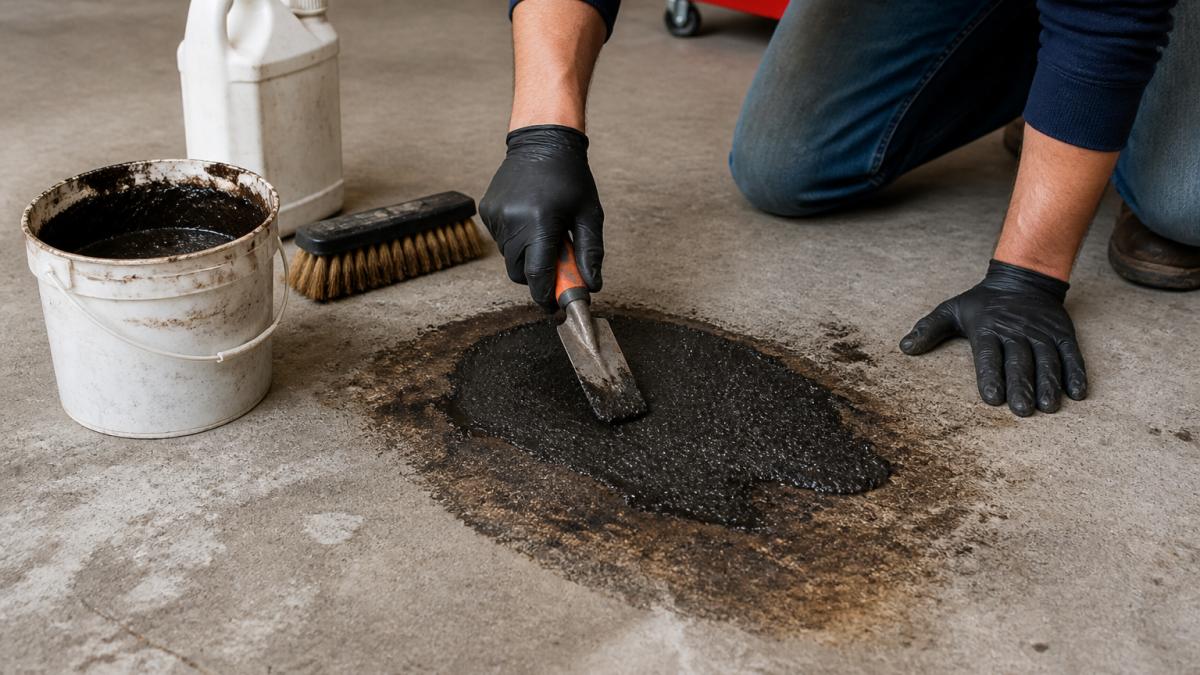
Multi-Step Treatment for Stubborn Stains
Start with a commercial concrete cleaner or degreaser. Apply it full strength and let it sit for 20-30 minutes. Scrub hard with a stiff brush or a pumice stone. Rinse thoroughly.
If the stain is still visible after the first treatment, repeat the process. Many old stains need 2-3 applications of degreaser and scrubbing before they fade significantly.
After chemical treatment, consider using a pressure washer set to 3000 PSI or higher. Start at a distance and gradually move closer to the stain.
For extremely stubborn stains that won't respond to chemical treatment and pressure washing, grinding or resurfacing may be necessary. This is where professional help becomes worthwhile.
When to Use a Poultice
A poultice is an absorbent paste that sits on the stain for an extended period, typically 24-72 hours. It draws out deep oil residue through a slow, steady process.
Make a poultice by mixing an absorbent powder (clay, diatomaceous earth, or even baking soda) with a solvent. For oil stains, use a degreaser or mineral spirits mixed with the powder to form a thick paste.
Call (919) 824-5403 or email craigrfear@gmail.com for a free estimate →
Scrape off the dried poultice and rinse the area. Repeat if necessary. Poultices work well for old stains because they give the absorbent material time to pull deep oil to the surface.
Safety, Runoff, and Protecting Your Concrete
Cleaning concrete involves chemicals, pressure, and physical effort. Protecting yourself and your surroundings matters.
Ventilation and Protective Equipment
Most commercial degreasers produce fumes. If you're working in an enclosed space like a garage, open all doors and windows. If possible, work outside or in a well-ventilated area.
Wear:
- Chemical-resistant gloves (nitrile gloves aren't always sufficient for strong degreasers)
- Eye protection (safety glasses or goggles)
- Long sleeves and pants to protect your skin
- Closed-toe shoes
If you're using a pressure washer, wear eye protection and closed-toe shoes. The high-pressure water can cause injury if it contacts skin directly.
Environmental Responsibility and Disposal
Oil-contaminated runoff shouldn't flow into storm drains. It ends up in local waterways and harms aquatic life. Contain the cleanup area if possible. Use a berm or barrier to prevent runoff from spreading beyond the immediate stain area.
Collect used absorbents (cat litter, sawdust, oil-soaked rags) and dispose of them according to local regulations. Many areas have hazardous waste collection programs. Contact your local waste management facility for guidance.
When rinsing, direct the water toward a gravel or landscaped area rather than into storm drains if you can. Some communities prohibit certain degreasers due to environmental impact. Check local regulations before purchasing.
Avoiding Damage to Your Concrete Surface
Aggressive cleaning can damage concrete, especially older surfaces or decorative finishes. High-pressure washing at excessive PSI can erode the surface and create pitting. Chemical degreasers, if left too long or applied repeatedly, can weaken concrete.
Test any cleaning method on an inconspicuous area first. Start with lower pressure on the pressure washer and increase gradually. For decorative concrete or sealed surfaces, use gentler methods. If you're unsure, call a professional like Concrete-Enhancements before attempting aggressive cleaning.
Avoid wire brushes on sealed concrete, they can strip the sealant. Use stiff nylon brushes instead. Don't let harsh chemicals sit on the concrete longer than the product instructions recommend.
Prevention and Long-Term Protection
The best oil stain is one that never happens. Prevention saves time, money, and effort.
Seal your concrete. A concrete sealer creates a barrier that prevents oil from penetrating. Most sealers last 2-3 years before needing reapplication.
Use drip pans under vehicles and equipment. A pan catches oil before it reaches the concrete.
Clean spills immediately. Don't wait. The sooner you act, the easier the cleanup and the less likely a permanent stain will form.
Park on grass or gravel when possible. If you're not using the concrete surface, avoiding it prevents spills in the first place.
For commercial spaces or high-traffic areas, protective coatings and sealers can make oil stain removal faster and more effective.
When to Call a Professional
Some oil stains are beyond DIY methods. If you've tried multiple treatments and the stain is still visible, or if the stain covers a large area, professional cleaning equipment and expertise make a difference.
Professional concrete cleaners have access to industrial-strength degreasers, commercial pressure washers, and specialized equipment like grinding machines. They can also assess whether the stain has caused permanent damage to the concrete or whether resurfacing is the better option.
At Concrete-Enhancements, we handle oil stain removal for both residential and commercial properties. We evaluate the stain's age, depth, and the concrete's condition, then recommend the most effective approach.
Stubborn oil stains don't have to be permanent. Whether you're tackling a fresh spill or a years-old stain, the right approach works.
Frequently Asked Questions
Can baking soda or cat litter remove oil stains from concrete?
Yes, both work well for fresh oil spills. Cat litter and baking soda are absorbent materials that soak up oil before it penetrates deep into the concrete. Sprinkle either material over the fresh oil, let it sit for 24 hours, then sweep it up. For older stains, absorbents alone won't fully remove the oil residue, so you'll need to follow up with a degreaser or detergent and scrubbing.
What's the best way to remove oil stains from a concrete driveway?
The method depends on how old the stain is. For fresh spills, absorb the oil with cat litter or baking soda first. For set-in stains, apply a concrete degreaser or dish soap mixed with hot water, let it dwell for 10-15 minutes, scrub with a stiff brush, and rinse thoroughly. Stubborn stains may need a poultice or multiple treatments. Pressure washing can speed up the final rinse but use caution to avoid damaging the concrete surface.
Does TSP remove oil stains from concrete?
TSP (trisodium phosphate) is a strong alkaline cleaner that works on many concrete stains. TSP can be used as a follow-up cleaner after degreasing, but it shouldn't be your primary treatment.
How long does it take to remove an oil stain from concrete?
Fresh spills can be managed in 24-48 hours using absorbents and detergent. Old, deeply set stains may take 3-7 days of treatment, especially if you use poultices that need to dry and pull oil to the surface. Multiple applications of degreaser, scrubbing, and dwell time increase effectiveness. Professional removal with specialized equipment can be faster, but DIY methods require patience and often multiple treatment cycles for complete oil residue removal.
Tags: how to remove oil stains from concrete, how to remove old oil stains from concrete, best concrete degreaser for oil stains, how to absorb fresh oil spills on concrete
Frequently Asked Questions
Yes, both work well for fresh oil spills. Cat litter and baking soda are absorbent materials that soak up oil before it penetrates deep into the concrete. Sprinkle either material over the fresh oil, let it sit for 24 hours, then sweep it up. For older stains, absorbents alone won't fully remove the oil residue, so you'll need to follow up with a degreaser or detergent and scrubbing.
The method depends on how old the stain is. For fresh spills, absorb the oil with cat litter or baking soda first. For set-in stains, apply a concrete degreaser or dish soap mixed with hot water, let it dwell for 10-15 minutes, scrub with a stiff brush, and rinse thoroughly. Stubborn stains may need a poultice or multiple treatments. Pressure washing can speed up the final rinse but use caution to avoid damaging the concrete surface.
TSP (trisodium phosphate) is a strong alkaline cleaner that works on many concrete stains. TSP can be used as a follow-up cleaner after degreasing, but it shouldn't be your primary treatment.
Fresh spills can be managed in 24-48 hours using absorbents and detergent. Old, deeply set stains may take 3-7 days of treatment, especially if you use poultices that need to dry and pull oil to the surface. Multiple applications of degreaser, scrubbing, and dwell time increase effectiveness. Professional removal with specialized equipment can be faster, but DIY methods require patience and often multiple treatment cycles for complete oil residue removal.