ultimate-guide
Is Epoxy Flooring Slippery When Wet?
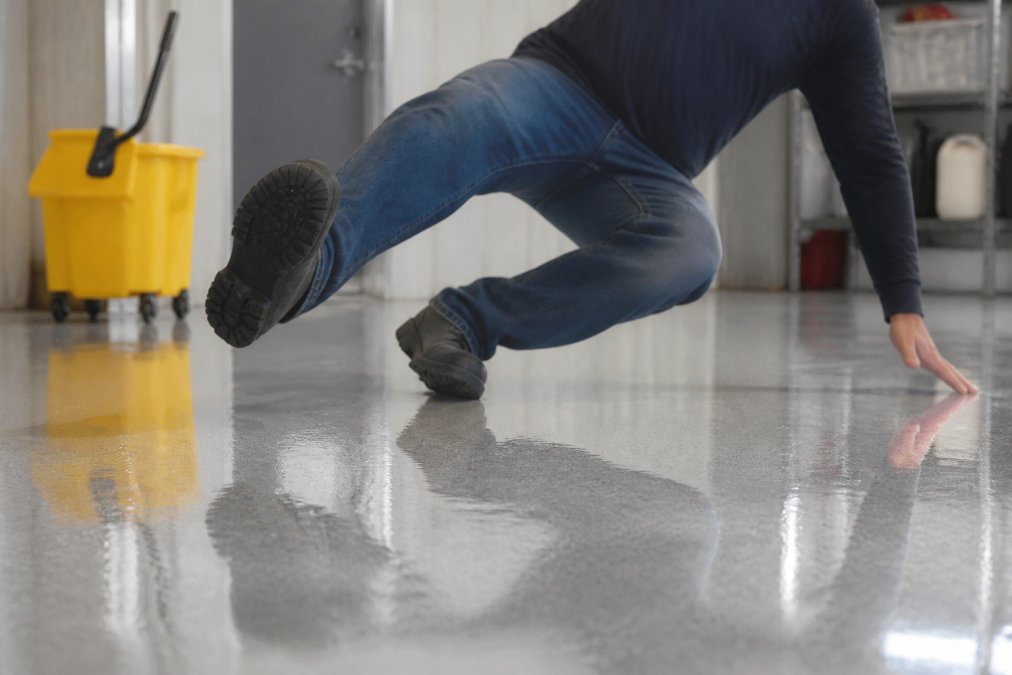
Table of Contents
- Why Epoxy Flooring Becomes Slippery When Wet
- Factors That Affect Slip Resistance in Epoxy Floors
- Anti-Slip Additives for Epoxy Coatings
- How to Test and Measure Slip Resistance
- Epoxy Floor Maintenance Tips for Wet Environments
- Pros and Cons of Epoxy Flooring for Slip Safety
- Frequently Asked Questions
Last Updated: September 2, 2026
Why Epoxy Flooring Becomes Slippery When Wet
Epoxy flooring is slippery when wet because its glossy, non-porous surface prevents water absorption. Water pools on top rather than seeping in, creating a slick layer that dramatically reduces traction. Unlike porous concrete, which allows water to seep into surface voids and create friction, epoxy's resinous topcoat presents a smooth, impermeable barrier.
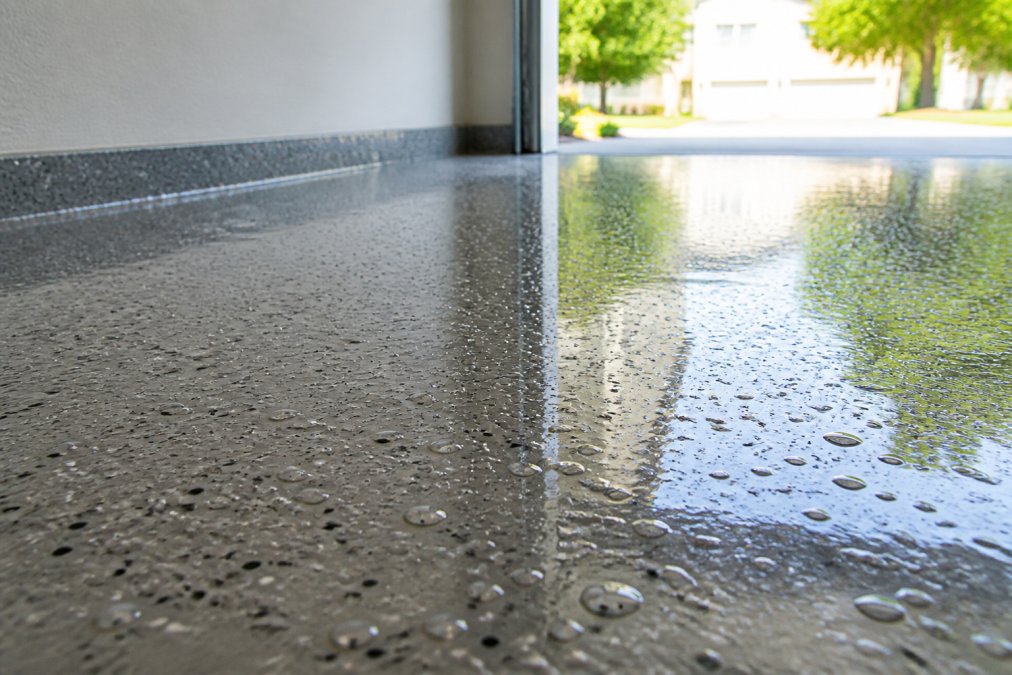
This slipperiness intensifies in poolside decks, bathrooms, and commercial kitchens where standing water, splashing, and foot traffic combine to create serious slip-and-fall hazards. Even a thin moisture film from humidity or light rain can transform an epoxy floor into a skating rink. Cold temperatures compound the problem, epoxy becomes even more slippery in winter or air-conditioned spaces as the resin hardens and the surface smooths further.
The issue affects residential and commercial applications equally. Warehouses, retail showrooms, and industrial facilities with epoxy floors face the same challenge when moisture reaches the surface. Understanding that the glossy, non-porous nature of the coating itself causes the problem is essential before choosing a solution.
Factors That Affect Slip Resistance in Epoxy Floors
Slip resistance in epoxy flooring depends on multiple variables. The finish type you choose during installation is the single most important factor determining traction.
Glossy vs. Textured Finishes
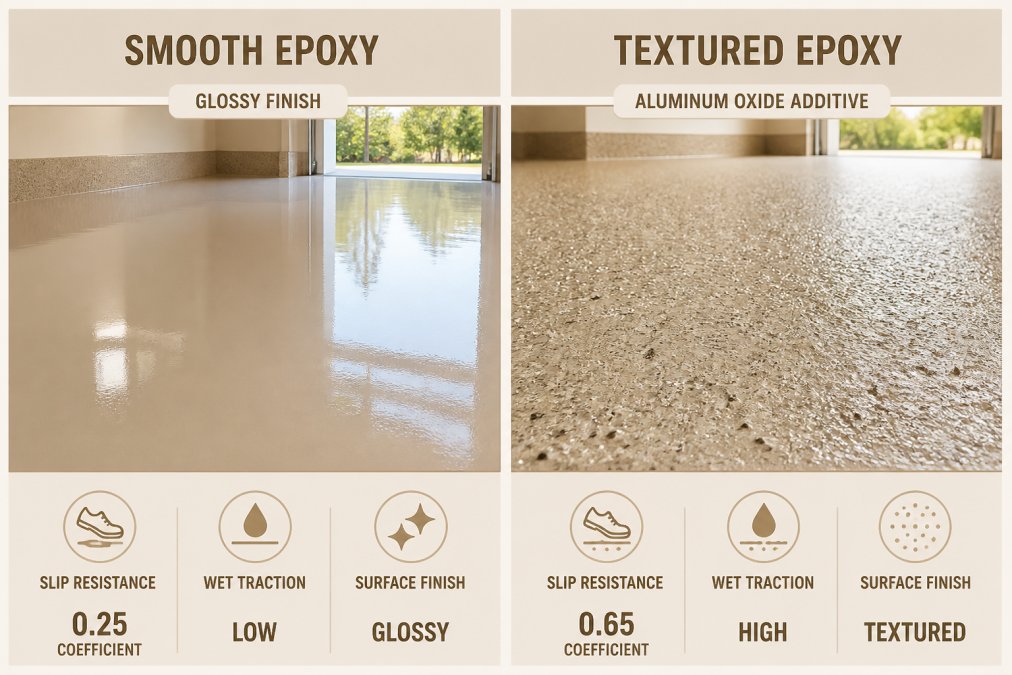
Glossy epoxy offers superior aesthetics and durability but sacrifices traction. The smooth surface reflects light beautifully and is easier to clean, but water slides across it without resistance.
Textured finishes create microscopic peaks and valleys that interrupt water flow and provide mechanical grip. The trade-off is appearance and maintenance, textured finishes show dust and debris more readily and are harder to clean thoroughly.
Concrete-Enhancements recommends a hybrid approach: glossy epoxy in low-moisture areas and textured epoxy in high-moisture zones. This preserves visual appeal where it matters most while prioritizing safety where water exposure is frequent.
Surface Porosity and Moisture Accumulation
A sealed, non-porous concrete base forces all moisture to remain on top of the epoxy layer, accelerating slipperiness. Moisture accumulation also depends on environmental conditions and floor slope, poor drainage or inadequate slope will hold water longer, increasing slip risk.
Humidity levels matter significantly. High ambient humidity creates condensation on the epoxy surface, producing wet conditions even without active water exposure. Morning condensation on epoxy floors can create temporary slipperiness for hours after sunrise. In winter, temperature differentials between the floor and air cause moisture to condense on the surface.
Anti-Slip Additives for Epoxy Coatings
Anti-slip additives are the most practical solution for making epoxy flooring safer in wet conditions. These materials are mixed into the epoxy coating before application, creating texture that provides traction without sacrificing aesthetics as much as a fully textured finish.
Aluminum Oxide and Abrasive Grit Options
Aluminum oxide is the most common anti-slip additive for epoxy coatings. This hard, inert mineral creates microscopic friction points on the surface. When mixed into epoxy at 10-20% by weight, aluminum oxide particles protrude slightly from the cured coating, providing grip without excessive roughness underfoot (peer-reviewed research).
Particle size matters significantly. Finer grit (120-180 mesh) creates subtle texture barely visible but still improving traction. Coarser grit (60-100 mesh) produces pronounced texture offering greater slip resistance. Other options include silicon carbide, which is harder and longer-lasting than aluminum oxide, and crushed glass, which offers aesthetic appeal while providing traction.
Mixing grit directly into the epoxy ensures even distribution throughout the coating and produces consistent slip resistance across the entire floor.
Decorative Vinyl Flakes and Traction
Decorative vinyl flakes enhance visual appeal while contributing to slip resistance. These larger particles disrupt the smooth surface and create texture that improves grip, though they don't provide the same traction level as dedicated anti-slip grit alone.
For maximum traction, professionals combine vinyl flakes with aluminum oxide or silicon carbide grit. The grit provides functional slip resistance while flakes add visual interest. Higher-quality flakes maintain color and appearance for years, making the initial cost difference worthwhile.
How to Test and Measure Slip Resistance
Understanding Coefficient of Friction (COF) Ratings
The coefficient of friction is the standard metric for quantifying slip resistance, expressed as a decimal between 0 and 1, where higher values indicate greater traction. A COF of 0.5 indicates moderate slipperiness; 0.8 or higher indicates strong slip resistance.
The American Society for Testing and Materials (ASTM) publishes standards for measuring slip resistance:
- ASTM D2047 measures static COF using a horizontal pull sled with rubber slider
- ASTM D6862 measures kinetic COF and simulates dynamic friction under wet conditions
- ASTM F1679 tests slip resistance in both wet and dry conditions
Glossy epoxy typically measures 0.4-0.6 COF when wet, considered slippery by safety standards (astm.org). Adding anti-slip additives raises this to 0.7-0.9 COF when wet, bringing the floor into the safe range.
Call (919) 824-5403 or email craigrfear@gmail.com for a free estimate →
For commercial applications, the Americans with Disabilities Act (ADA) recommends a minimum COF of 0.6 for accessible routes. Residential spaces have no legal requirement, but homeowners should aim for at least 0.6 COF in wet areas to minimize accident risk. Testing should measure both wet and dry conditions, wet COF is the critical measurement for spaces exposed to moisture.
Epoxy Floor Maintenance Tips for Wet Environments
Proper maintenance preserves slip resistance and extends coating lifespan. How you clean and care for the floor directly impacts its safety performance in wet conditions.
Cleaning Protocols to Preserve Traction
Aggressive cleaning methods can damage anti-slip texture and reduce traction. High-pressure washing can strip the top layer and flatten texture created by anti-slip additives. If pressure washing is necessary, use low pressure (under 1,500 PSI) and keep the nozzle at least 12 inches from the surface.
For routine cleaning, use soft-bristle brushes or microfiber mops with pH-neutral cleaners. Avoid acidic, alkaline, or oil-based products that degrade epoxy resin or leave slippery residue.
Moisture management is critical. Allow the floor to dry completely before heavy foot traffic. In commercial spaces, use absorbent mats in high-moisture areas. Quarterly inspections of high-traffic wet areas detect coating wear, texture fading, or residue accumulation early, allowing targeted maintenance rather than full refinishing.
Seasonal and High-Traffic Area Care
Humid summers create condensation on epoxy floors. Increase air circulation and use dehumidifiers to minimize buildup. Winter presents different challenges, cold temperatures make epoxy slightly more slippery, and salt or sand tracked indoors scratch the coating. Use entry mats to capture debris and moisture.
High-traffic areas experience accelerated wear. Professional recoating of these zones every 3-5 years maintains consistent slip resistance. For pool decks and outdoor patios, polyaspartic topcoats offer better UV resistance than standard epoxy and are recommended for outdoor applications.
Pros and Cons of Epoxy Flooring for Slip Safety
Pros:
- Durability: Properly installed epoxy lasts 10-15 years or longer with maintenance
- Chemical resistance: Ideal for garages, commercial kitchens, and industrial spaces
- Aesthetic options: Wide range of colors, finishes, and decorative effects
- Easy maintenance: Simple to clean when dry
- Moisture barrier: Seals concrete and prevents water damage
Cons:
- Slipperiness when wet: Standard glossy epoxy is hazardous without anti-slip additives
- Installation complexity: Requires proper surface preparation and curing conditions
- Cost: Professional installation is more expensive than some alternatives
- Temperature sensitivity: Cold conditions affect slip resistance
- Texture maintenance: Anti-slip additives require ongoing care
- Potential for peeling: Poor substrate preparation can cause failure
The slip safety issue is entirely addressable through anti-slip additives, proper installation, and maintenance. It's a reason to specify slip-resistant epoxy from the start, not a reason to avoid epoxy.
Is epoxy flooring slippery when wet? Yes, standard glossy epoxy is inherently slippery because its non-porous surface doesn't absorb water. This problem is entirely preventable. Anti-slip additives like aluminum oxide, textured finishes, and decorative vinyl flakes all improve traction significantly. The key is specifying slip-resistant epoxy during installation rather than attempting to retrofit safety later.
At Concrete-Enhancements, we design epoxy floors with wet safety in mind from the beginning. Our team uses aluminum oxide grit, polyaspartic topcoats for outdoor applications, and proper slope and drainage to minimize slip risk in high-moisture areas. We've installed slip-resistant epoxy on pool decks, commercial kitchens, and bathroom floors across the Raleigh-Durham Triangle and NC Triad.
If you're considering epoxy flooring for a wet environment, consult the ADA accessibility guidelines for slip resistance standards, and work with a CTi Certified professional who understands coefficient of friction ratings and anti-slip additives. Contact Concrete-Enhancements at (919) 824-5403 or email craigrfear@gmail.com for a free estimate. We'll assess your space, recommend the right anti-slip solution, and ensure your new epoxy floor is both beautiful and safe.
| Anti-Slip Option | Slip Resistance | Appearance | Maintenance | Best For |
|---|---|---|---|---|
| Aluminum oxide grit | High (0.7-0.9 COF) | Subtle texture | Moderate | Commercial, pool decks |
| Decorative vinyl flakes | Moderate (0.6-0.8 COF) | Attractive speckled | Moderate | Residential, showrooms |
| Textured finish | High (0.75-0.9 COF) | Visible texture | Higher | High-slip-risk areas |
| Glossy epoxy (no additives) | Low (0.4-0.6 COF wet) | Premium appearance | Easy | Dry areas only |
Frequently Asked Questions
How can I make my epoxy floor less slippery?
Add anti-slip additives during the epoxy application process. Aluminum oxide grit, decorative vinyl flakes, and textured topcoats all increase traction by creating surface texture that improves grip. The most effective approach combines a slip-resistant coating with proper maintenance, regular cleaning prevents oil spills and moisture accumulation that reduce traction. For existing floors, a polyaspartic topcoat with built-in grit offers a durable upgrade without full replacement.
What is the life expectancy of an epoxy floor?
Quality epoxy flooring typically lasts 5-10 years in residential settings and 3-5 years in high-traffic commercial areas, depending on maintenance and foot traffic. Proper cleaning protocols and avoiding harsh chemicals extend this timeline significantly. Polyaspartic topcoats and industrial-grade epoxy systems often outlast standard resinous flooring. Professional installation and regular maintenance are critical to reaching the upper end of these ranges.
Do anti-slip additives affect the look of epoxy flooring?
Yes, but the visual impact depends on the additive type. Decorative vinyl flakes add color and aesthetic appeal while improving safety, creating a customized appearance. Aluminum oxide grit produces a more subtle, matte finish that reduces gloss but maintains a clean look. Some homeowners prefer the trade-off for the enhanced safety and slip-resistant properties. Discuss finish options with your installer to balance appearance with traction needs.
What causes epoxy flooring to become slippery when wet?
Epoxy flooring becomes slippery when wet because its glossy, non-porous surface prevents water from being absorbed, creating a moisture barrier that reduces friction. Water beads on the smooth finish rather than being absorbed, increasing hydroplaning risk. This is especially pronounced on high-gloss polyurethane and polyaspartic topcoats. Textured finishes and anti-slip coatings disrupt this water layer, improving traction in wet conditions and reducing slip-and-fall risk.
This article was written using GrandRanker
Frequently Asked Questions
Add anti-slip additives during the epoxy application process. Aluminum oxide grit, decorative vinyl flakes, and textured topcoats all increase traction by creating surface texture that improves grip. The most effective approach combines a slip-resistant coating with proper maintenance—regular cleaning prevents oil spills and moisture accumulation that reduce traction. For existing floors, a polyaspartic topcoat with built-in grit offers a durable upgrade without full replacement.
Quality epoxy flooring typically lasts 5-10 years in residential settings and 3-5 years in high-traffic commercial areas, depending on maintenance and foot traffic. Proper cleaning protocols and avoiding harsh chemicals extend this timeline significantly. Polyaspartic topcoats and industrial-grade epoxy systems often outlast standard resinous flooring. Professional installation and regular maintenance are critical to reaching the upper end of these ranges.
Yes, but the visual impact depends on the additive type. Decorative vinyl flakes add color and aesthetic appeal while improving safety, creating a customized appearance. Aluminum oxide grit produces a more subtle, matte finish that reduces gloss but maintains a clean look. Some homeowners prefer the trade-off for the enhanced safety and slip-resistant properties. Discuss finish options with your installer to balance appearance with traction needs.
Epoxy flooring becomes slippery when wet because its glossy, non-porous surface prevents water from being absorbed, creating a moisture barrier that reduces friction. Water beads on the smooth finish rather than being absorbed, increasing hydroplaning risk. This is especially pronounced on high-gloss polyurethane and polyaspartic topcoats. Textured finishes and anti-slip coatings disrupt this water layer, improving traction in wet conditions and reducing slip-and-fall risk.