comparison
Alternatives to Concrete Slab Replacement
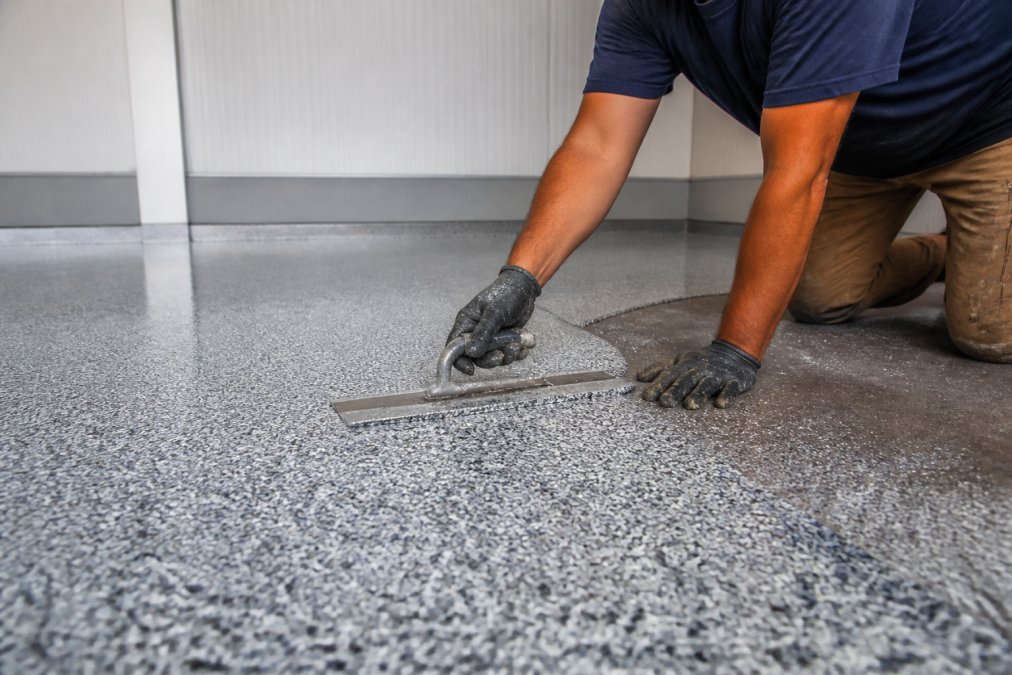
Table of Contents
- When to Replace vs. Repair Your Concrete Slab
- Concrete Resurfacing Cost and Installation Methods
- Decorative Concrete Overlays for Existing Slabs
- Epoxy Floor Coating Benefits for Durability
- Permeable Pavers and Gravel Grid Systems
- Natural Stone and Paver Installation as Slab Alternatives
- Load-Bearing Capacity and Foundation Considerations
- Climate-Specific Performance and Regional Durability
Last Updated: August 22, 2026
When to Replace vs. Repair Your Concrete Slab
Deciding whether to replace or repair a concrete slab depends on the extent of damage, your budget, and desired lifespan. Many property owners discover that alternatives to concrete slab replacement can extend the life of existing concrete while improving aesthetics and performance.
The real question is whether the repair method matches your specific situation. A small crack in a garage floor demands a different approach than a sunken patio or a warehouse floor tracking dust. Understanding when repair makes sense versus when replacement becomes necessary helps you avoid overspending on temporary fixes or unnecessary removals.
Most concrete problems fall into three categories: structural damage (cracks, settling, heaving), surface deterioration (spalling, scaling, discoloration), and performance issues (poor drainage, excessive heat, slippery surfaces). A structural crack running through a load-bearing foundation may require replacement, but surface damage on a patio often responds beautifully to resurfacing or overlay solutions.
Concrete Resurfacing Cost and Installation Methods
Concrete resurfacing has become the most popular alternative to concrete slab replacement for homeowners and commercial operators. Resurfacing involves applying a new layer of material, typically a polymer-modified cement compound or self-leveling overlay, directly over existing concrete. This approach addresses surface damage while preserving the structural base underneath.
A thin resurfacer like SikaQuick Concrete Resurfacer works for repairs up to half an inch deep, making it ideal for patching spalling and smoothing uneven surfaces (sika.com). It achieves foot traffic readiness in 2-3 hours and resists freeze-thaw cycles (sika.com). For more significant leveling needs, self-leveling overlays like Duraamen Param 5500 can be poured at thicknesses up to 3/8 inch, creating a completely smooth base for decorative finishes.
What makes resurfacing different from simple patching is the preparation work. The existing concrete must be thoroughly cleaned, loose material removed, and often primed to ensure proper bonding. Skip this step and the resurfacer will peel or fail within months. That's why professional installation matters, the visible work takes a fraction of the time compared to proper surface preparation.
DIY vs. Professional Installation
The temptation to DIY a concrete resurfacing project is real, especially when a 50-pound bag of SikaQuick costs $30-40. But surface preparation and application technique are where the real skill lies.
Professional crews have specialized equipment, pressure washers, shot blasters, or grinding machines, that remove contaminants and create the texture needed for adhesion. They understand timing, temperature, and humidity conditions that affect curing. They have the experience to feather edges smoothly so transitions are invisible.
The most common DIY failure is premature peeling. A homeowner applies resurfacer to inadequately prepared concrete, it bonds poorly, and within a year it's flaking off. Professional installation costs more upfront but includes expertise and warranty that protects your investment.
For very small repairs, a single spall or minor crack, DIY resurfacing can work with proper prep. For anything covering more than 100 square feet or visible from main living areas, professional application delivers dramatically better results and longevity.
Decorative Concrete Overlays for Existing Slabs
When you want to transform the appearance of concrete while keeping the existing structure, decorative overlays are the most powerful tool available. An overlay is a thin layer of specialized concrete or polymer-modified material applied over existing concrete, then finished with color, patterns, stamps, or polished surfaces.
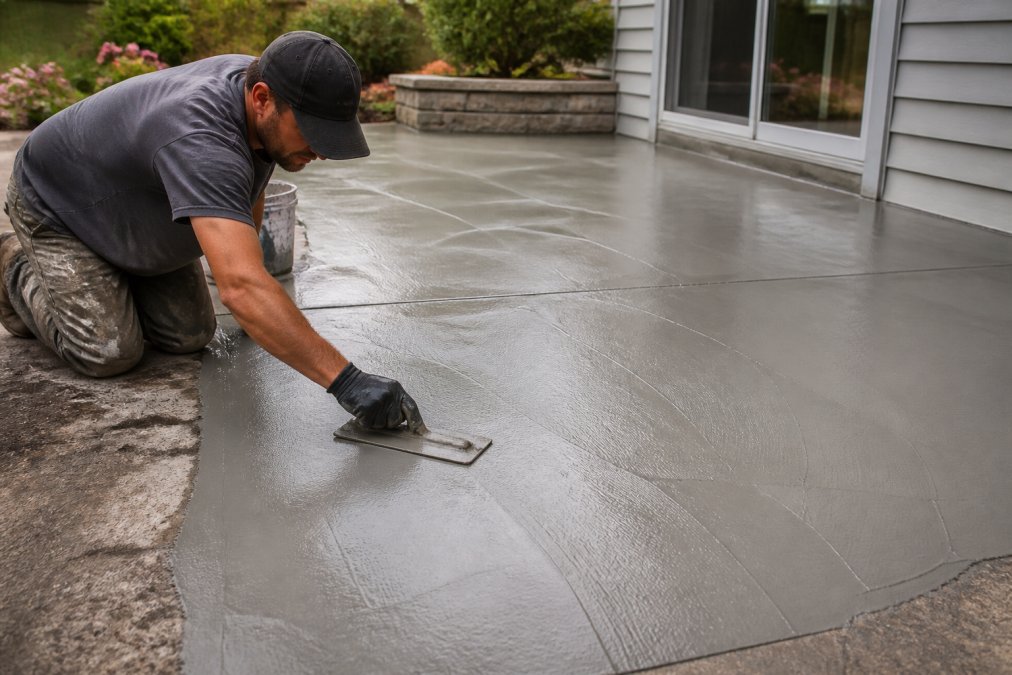
The transformation possibilities are remarkable. A drab gray driveway becomes a stamped stone pattern. A utilitarian warehouse floor turns into a polished surface resembling natural stone. A pool deck shifts from plain concrete to a textured, slip-resistant finish that runs cooler underfoot. Concrete-Enhancements specializes in these decorative overlays, using techniques that both restore damaged surfaces and completely reimagine their appearance.
Overlays work because they bond directly to existing concrete, eliminating the need for removal. This means lower labor costs, faster project completion, and minimal disruption. For commercial spaces, this translates to less downtime.
The durability of an overlay depends on the product and installation quality. Polymer-modified overlays typically last 10-15 years with proper maintenance (peer-reviewed research). Polished concrete overlays can last 20+ years. The finish itself, whether sealed, waxed, or coated, affects longevity and maintenance requirements.
Epoxy Floor Coating Benefits for Durability
Epoxy coatings represent a different category of alternatives to concrete slab replacement, focused on protection and performance. An epoxy coating is a two-part resin system that chemically bonds to concrete, creating a hard, seamless surface impervious to chemicals, moisture, and heavy traffic.
For commercial spaces, epoxy solves problems that raw concrete can't. A warehouse floor stops shedding dust that contaminates products. A retail showroom floor becomes easier to clean and maintains a polished appearance. A manufacturing facility floor resists oil spills, chemical exposure, and constant wear. For residential applications, garage floors and basement areas gain protection from moisture, staining, and damage.
The Rust-Oleum RockSolid Polycuramine system is 20 times stronger than standard epoxy, offering exceptional resistance to hot tire pick-up, chemicals, and abrasion. The coating comes in multiple colors and metallic finishes. Low VOC formulations mean fewer fumes during application and better air quality afterward.
Epoxy durability depends heavily on surface preparation and application conditions. The concrete must be completely clean and dry with proper profile for adhesion. Temperature and humidity during application matter significantly. A professionally applied epoxy coating can last 10-20 years in residential settings and 5-10 years in heavy commercial use.
Epoxy is a protective layer on top of concrete, not a repair of the concrete itself. If the underlying concrete is severely damaged or settling, epoxy will crack and peel along with it. For that reason, epoxy works best on structurally sound concrete that needs protection and aesthetic improvement.
Permeable Pavers and Gravel Grid Systems
For outdoor spaces where drainage and environmental performance matter, permeable pavers and gravel grid systems offer a fundamentally different approach to alternatives to concrete slab replacement. These systems allow water to drain through, reducing runoff and supporting groundwater recharge.
Permeable pavers are individual units, typically made from porous concrete, recycled plastic, or permeable stone, installed over a gravel base and geogrid system. The geogrid is a mesh layer that stabilizes the gravel and prevents shifting under load. Together, these layers create a surface that's permeable, structurally stable, and visually attractive.
Gravel grid systems work similarly but use a stabilizing grid to keep loose gravel in place while maintaining permeability. These systems are popular for driveways, parking areas, and pathways where durability and environmental performance justify the cost and maintenance. shed foundation alternatives.
Water drains through the surface rather than running off into storm drains. The sub-base and soil underneath remain healthier because water can infiltrate naturally. Installation requires proper ground preparation, including leveling and compaction, but avoids the complexity of removing an existing concrete slab.
The tradeoff is maintenance. Permeable surfaces need periodic raking, occasional gravel addition, and cleaning to prevent clogging. They're not appropriate for spaces with heavy machinery or where perfect flatness is required. But for residential patios, pool decks, and commercial parking areas, permeable systems deliver superior environmental performance and often better aesthetics than solid concrete.
Call (919) 824-5403 or email craigrfear@gmail.com for a free estimate →
Natural Stone and Paver Installation as Slab Alternatives
Natural stone and decorative pavers offer the most customizable approach to replacing concrete slabs. This method removes the old surface and installs individual stone or paver units over a properly prepared sub-base. The result is a surface that's unique, often more attractive than concrete, and can match virtually any aesthetic.
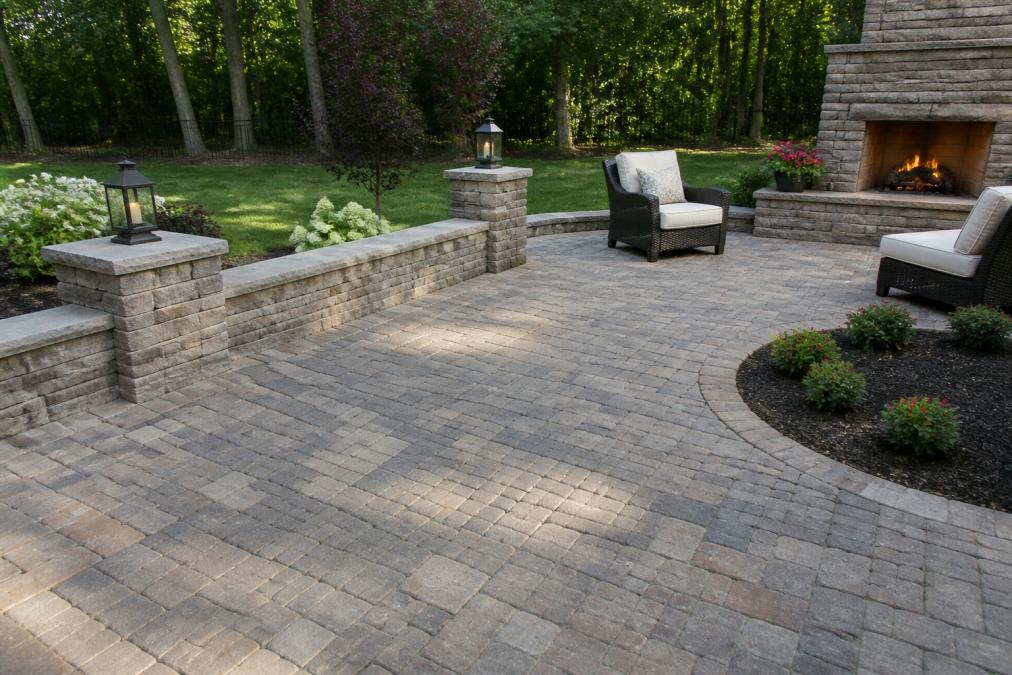
Natural stone, flagstone, slate, granite, or limestone, brings authentic beauty that concrete overlays can approximate but never fully match. Each stone is unique, creating visual interest and character. Decorative pavers offer more consistency and often lower cost while still delivering premium aesthetics.
Installation requires excavating the old concrete, preparing the sub-base with proper compaction and geogrid, adding a sand or mortar layer, and setting each unit. This process takes longer and costs more than resurfacing, but the durability and aesthetic payoff justify the investment. Well-installed stone or paver surfaces can last 30+ years with minimal maintenance.
The load-bearing capacity depends on sub-base preparation. A properly compacted base with geogrid stabilization can support significant weight. Inadequate sub-base preparation is the most common cause of failure, as pavers shift and settle unevenly.
One advantage of stone and pavers over concrete is replaceability. If a single unit is damaged, you replace just that piece. With concrete, a crack or spall requires patching the entire affected area.
Load-Bearing Capacity and Foundation Considerations
Understanding load-bearing capacity is critical when choosing alternatives to concrete slab replacement, especially for driveways, parking areas, and surfaces supporting vehicles or heavy equipment. Different materials and installation methods have different weight-bearing limits.
Concrete slabs are designed with specific thickness (typically 4-6 inches for driveways) and sub-base preparation to support expected loads. When you choose an alternative, you need to ensure it meets or exceeds the load requirements of your application.
Resurfaced concrete maintains the load-bearing capacity of the original slab, assuming the underlying concrete is structurally sound. The new layer adds durability and appearance but doesn't change fundamental load distribution. This is why resurfacing works so well for driveways and high-traffic areas.
Permeable pavers and gravel systems can support significant loads if the sub-base is properly prepared with geogrid and adequate compaction. A well-constructed gravel grid system can support vehicles and light machinery. But inadequate sub-base preparation, skipping the geogrid, or insufficient compaction leads to settling and failure under load.
Natural stone and decorative pavers depend entirely on sub-base quality. A stone patio over a properly compacted base with geogrid can support vehicle weight. The same patio over inadequate sub-base will shift and crack within months.
Climate-Specific Performance and Regional Durability
The climate where your concrete slab is located dramatically affects which alternatives to concrete slab replacement will perform best and last longest. A solution that thrives in a dry climate may fail in a region with freeze-thaw cycles.
Freeze-thaw cycles are the primary concern in northern regions and higher elevations. Water penetrates concrete, freezes, expands, and breaks the surface. Resurfacing with freeze-thaw resistant materials (like SikaQuick, which is specifically rated for this) addresses the problem by creating a protective layer that prevents water penetration. Epoxy coatings work similarly, sealing the surface and preventing water from reaching the concrete beneath.
Permeable systems in freeze-thaw climates need careful consideration. If water sits in the gravel base and freezes, it can heave the pavers. Proper drainage design and permeable base materials minimize this risk.
In hot, dry climates, the primary concerns are UV degradation, thermal cracking, and surface wear. Decorative overlays with UV-stable sealers hold color and finish better than unsealed concrete. Permeable pavers and gravel systems avoid the extreme heat that makes unshaded concrete uncomfortably hot underfoot.
Humid coastal environments present unique challenges: salt spray corrosion, moisture penetration, and accelerated degradation. Concrete-Enhancements serves coastal South Carolina and understands these regional challenges. Epoxy coatings and sealed overlays protect concrete from salt exposure better than bare concrete.
Understanding your regional climate helps you choose materials and finishes that will actually last in your specific environment. Working with local professionals who understand regional performance patterns matters, they've seen what works and what doesn't in your climate.
Comparison Table: Alternatives to Concrete Slab Replacement
| Alternative | Best For | Durability | Installation Time | Maintenance |
|---|---|---|---|---|
| Concrete Resurfacing | Patching damage, restoring appearance | 10-15 years | 1-3 days | Minimal; occasional resealing |
| Decorative Overlays | Complete aesthetic transformation | 10-20 years | 3-7 days | Regular cleaning; periodic resealing |
| Epoxy Coatings | Protection, dust control, durability | 10-20 years residential | 2-4 days | Regular cleaning; avoid harsh chemicals |
| Permeable Pavers | Drainage, environmental performance | 20-30 years | 5-10 days | Periodic raking, occasional gravel addition |
| Natural Stone/Pavers | Premium aesthetics, longevity | 30+ years | 7-14 days | Minimal; occasional joint maintenance |
Choosing the right alternative to concrete slab replacement depends on your specific situation: the extent of existing damage, your budget, the climate where your property is located, and how long you want the surface to last. Resurfacing and overlays excel at transforming existing concrete affordably and quickly. Epoxy coatings solve durability and protection problems. Permeable systems address environmental and drainage concerns. Natural stone delivers premium aesthetics and longevity.
Concrete-Enhancements brings 20+ years of experience in evaluating these options and matching them to real property needs. As a CTi Certified Dealer, we understand how different materials perform in regional climates and which installation methods deliver lasting results. Contact us at (919) 824-5403 or email craigrfear@gmail.com for a free estimate, we'll assess your concrete, discuss which alternatives make sense for your situation, and help you avoid costly mistakes that lead to premature failure.
Frequently Asked Questions
What can I use instead of a concrete slab?
Several alternatives exist depending on your needs and budget. Decorative concrete overlays can revitalize existing slabs without full replacement. Permeable pavers with geogrid stabilization offer drainage benefits. Natural stone or traditional pavers provide aesthetic appeal. Epoxy coatings work well for garage floors and commercial spaces. For sheds or outbuildings, helical piers and gravel grids with crushed stone bases provide load-bearing support. Each option has different installation costs, durability timelines, and maintenance requirements.
Can I resurface my existing concrete instead of replacing it?
Yes, resurfacing is often more cost-effective than replacement. Self-leveling concrete overlays like Duraamen Param 5500 or ARDEX K 15 can cover uneven or damaged surfaces up to 3/8 inch thick. Polymer-modified resurfacers like SikaQuick work for thin repairs. Epoxy or polycuramine coatings protect and refresh the surface. Resurfacing works best when the underlying slab is structurally sound. If the slab has significant settling, heaving from frost, or deep structural cracks, replacement may be necessary.
What is the difference between concrete overlays and slab replacement?
Concrete overlays bond to your existing slab, adding a new finished layer without removing the old surface. Replacement removes the entire slab and pours new concrete from scratch. Overlays preserve sub-base preparation work and are faster to install, reducing labor costs and project timeline. Replacement is required when the foundation is unstable, severely damaged, or when you need to change the slab's structural capacity or elevation significantly. Overlays typically cost less upfront but may have a shorter lifespan than new concrete.
How do gravel or paver systems compare to poured concrete slabs?
Permeable paver systems with geogrid and crushed stone bases offer superior drainage, reducing standing water and frost heave issues in freeze-thaw climates. They're modular, so repairs involve replacing individual pavers rather than breaking up large sections. Gravel grids stabilize loose aggregate, preventing ruts and migration. Poured concrete is more uniform and requires less maintenance but can crack in cold climates and doesn't drain naturally. Pavers cost more upfront but often outlast concrete in regions with significant freeze-thaw cycles.
Are there eco-friendly alternatives to traditional concrete slabs?
Yes. Permeable pavers reduce stormwater runoff and improve groundwater recharge. Recycled asphalt or recycled plastic grids can stabilize gravel bases. Decomposed granite offers a natural, permeable surface for patios. Some concrete alternatives incorporate fly ash or recycled materials to reduce cement content. Polycuramine coatings have low VOC formulations. However, traditional concrete remains durable; the most eco-friendly choice often depends on your climate, local drainage regulations, and how long the surface will serve before replacement.
This article was written using GrandRanker
Frequently Asked Questions
Several alternatives exist depending on your needs and budget. Decorative concrete overlays can revitalize existing slabs without full replacement. Permeable pavers with geogrid stabilization offer drainage benefits. Natural stone or traditional pavers provide aesthetic appeal. Epoxy coatings work well for garage floors and commercial spaces. For sheds or outbuildings, helical piers and gravel grids with crushed stone bases provide load-bearing support. Each option has different installation costs, durability timelines, and maintenance requirements.
Yes, resurfacing is often more cost-effective than replacement. Self-leveling concrete overlays like Duraamen Param 5500 or ARDEX K 15 can cover uneven or damaged surfaces up to 3/8 inch thick. Polymer-modified resurfacers like SikaQuick work for thin repairs. Epoxy or polycuramine coatings protect and refresh the surface. Resurfacing works best when the underlying slab is structurally sound. If the slab has significant settling, heaving from frost, or deep structural cracks, replacement may be necessary.
Concrete overlays bond to your existing slab, adding a new finished layer without removing the old surface. Replacement removes the entire slab and pours new concrete from scratch. Overlays preserve sub-base preparation work and are faster to install, reducing labor costs and project timeline. Replacement is required when the foundation is unstable, severely damaged, or when you need to change the slab's structural capacity or elevation significantly. Overlays typically cost less upfront but may have a shorter lifespan than new concrete.
Permeable paver systems with geogrid and crushed stone bases offer superior drainage, reducing standing water and frost heave issues in freeze-thaw climates. They're modular, so repairs involve replacing individual pavers rather than breaking up large sections. Gravel grids stabilize loose aggregate, preventing ruts and migration. Poured concrete is more uniform and requires less maintenance but can crack in cold climates and doesn't drain naturally. Pavers cost more upfront but often outlast concrete in regions with significant freeze-thaw cycles.
Yes. Permeable pavers reduce stormwater runoff and improve groundwater recharge. Recycled asphalt or recycled plastic grids can stabilize gravel bases. Decomposed granite offers a natural, permeable surface for patios. Some concrete alternatives incorporate fly ash or recycled materials to reduce cement content. Polycuramine coatings have low VOC formulations. However, traditional concrete remains durable; the most eco-friendly choice often depends on your climate, local drainage regulations, and how long the surface will serve before replacement.