comparison
Is Garage Floor Coating Worth the Investment?
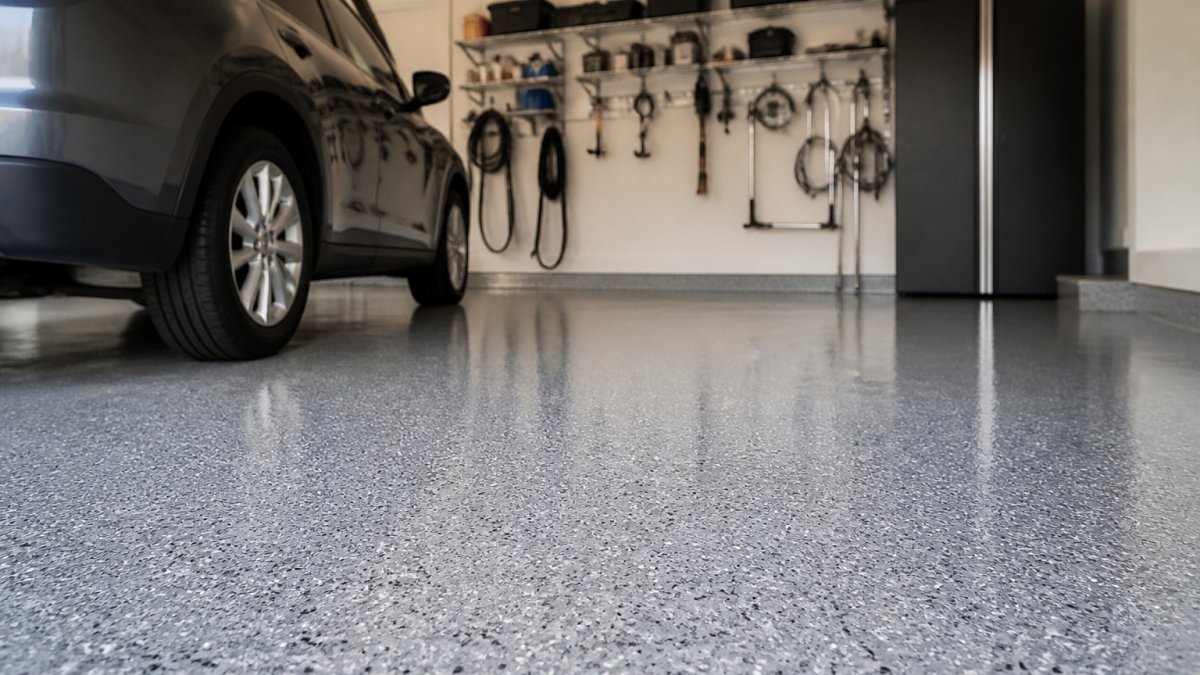
Table of Contents
- The Real Return on a Garage Floor Coating
- Garage Floor Coating Cost: What Drives the Number
- Epoxy Garage Floor Pros and Cons
- Garage Floor Coating Lifespan: How Long It Really Lasts
- Professional Garage Floor Coating vs. DIY
- Concrete Condition and Surface Preparation: The Make-or-Break Step
- How Coating Affects Home Value and Resale Appeal
- Conclusion
- Frequently Asked Questions
Last Updated: October 18, 2026
The Real Return on a Garage Floor Coating
Is garage floor coating worth the investment? A coated floor protects the slab from stains, moisture, and abrasion, cleans up with a broom and a mop, and holds its appearance for years.
The payoff is easiest to see in a working garage. An uncoated slab drinks in oil, road salt, and tire grit. A coated slab keeps them on the surface where they wipe away.
What You Get for the Money
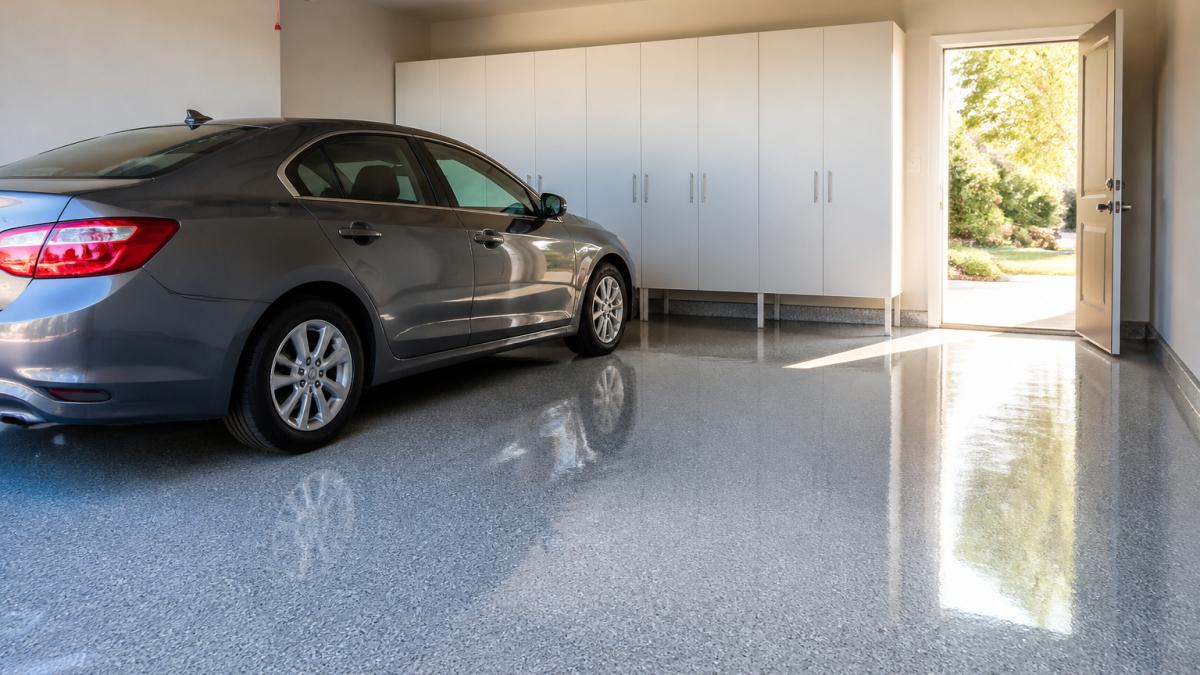
A garage floor coating is a resin-based layer bonded to the concrete that seals the slab against spills and wear while giving the floor a uniform, finished look.
When Coating Makes Financial Sense
Coating pays off when the slab is structurally sound and you plan to stay in the home long enough to use it. It makes less sense on a crumbling, badly cracked slab that needs repair first, or when a short timeline forces a rushed install. Fix the concrete, then coat it.
Garage Floor Coating Cost: What Drives the Number
Garage floor coating cost depends on square footage, coating system, and how much prep the slab needs. A two-car garage runs roughly twice the square footage of a one-car garage, and prep work such as crack repair, grinding, and moisture testing adds labor. Because pricing varies by region, slab condition, and system, we quote each project individually rather than publish a flat rate, but you can still build a realistic budget if you know what each line item represents.
What the Money Actually Buys
Every quote breaks into four buckets. Ask any contractor to separate them, because a low total usually means one bucket was skipped.
- Material: the resin system itself (epoxy, polyaspartic, or polyurea), primer, base coat, topcoat, and decorative flake or pigment. Material is the smallest bucket on a quality job.
- Preparation: grinding or shot-blasting, crack and spall repair, patching, and moisture testing. This is where most of the labor hours go, and where cheap quotes cut corners.
- Labor: application, cure-time management, and cleanup. Polyaspartic and polyurea cure faster but demand more experienced hands, so labor rates run higher.
Cost Factors by Coating Type and Garage Size
The main cost drivers are straightforward:
- Square footage: larger slabs need more material and more labor time
- Coating system: epoxy, polyaspartic, and polyurea differ in material cost and install complexity
- Concrete condition: cracks, spalling, and moisture issues add repair steps
The table below summarizes how the major systems compare on the factors that decide long-term value.
| System | Typical Best Use | Strengths | Watch-Outs |
|---|---|---|---|
| Epoxy | Garages, shops, light commercial | Strong adhesion, thick build, decorative flake options | Can yellow under UV; needs a topcoat for sun exposure |
| Polyaspartic | Fast-turnaround projects, UV-exposed slabs | Cures quickly, resists yellowing, handles temperature swings | Higher material cost; less forgiving during install |
| Polyurea | High-traffic and chemical exposure | Flexible, tough, fast cure | Requires experienced application |
| Acrylic sealer | Budget sealing | Low cost, easy recoat | Wears faster, limited stain protection |
How to Sanity-Check a Quote
A few practical tests separate a real number from a teaser:
- Ask whether grinding is included. If the quote says "acid etch" or "clean and prep," the bond is at risk. Grinding and profiling should be a line item.
- Ask for the moisture test result. A contractor who skips testing is guessing, and moisture is the leading cause of blistering and peeling.
- Ask what the topcoat is. A UV-stable topcoat is what keeps epoxy from yellowing near a sun-exposed garage door.
- Ask what voids the warranty. Hot-tire pickup and moisture failure are commonly excluded, so know the terms before you compare totals.
- Compare scope, not just price. Two quotes that differ by thousands are usually not the same job, one is missing prep, repair, or a topcoat.
Because regional labor rates, slab condition, and system choice move the number so much, treat any advertised flat rate with suspicion. The honest path is an on-site assessment that measures square footage, checks moisture, and counts the cracks, then a written quote that itemizes material, prep, labor, and finish. That is the number you can actually compare against the cost of leaving the slab bare and repairing stains, spalls, and surface damage later.
Epoxy Garage Floor Pros and Cons
Epoxy is the most requested garage floor coating for good reason, but it is not the right answer for every slab. The pros: excellent adhesion to properly profiled concrete, a thick and durable film, strong resistance to stains and chemicals, and many decorative finishes. The cons: standard epoxy can yellow when exposed to sunlight, it needs a UV-stable topcoat outdoors, and it is sensitive to moisture in the slab.
Where Epoxy Wins and Where It Falls Short
Epoxy wins in enclosed garages, workshops, and light commercial spaces where the floor takes foot traffic, rolling loads, and occasional spills. It falls short on sun-baked slabs without a topcoat, and on slabs with active moisture problems until those are corrected. The honest answer: epoxy is a strong choice when the prep is right, and a frustrating one when it is skipped.
Garage Floor Coating Lifespan: How Long It Really Lasts
Garage floor coating lifespan varies by system and traffic. A well-prepped epoxy floor in a residential garage commonly holds up for many years, while polyaspartic and polyurea systems are chosen for faster cure and better UV and temperature resistance. Commercial floors under heavy traffic need more frequent attention. Lifespan is decided at installation: preparation, moisture control, and correct cure time matter more than the label on the bucket.
Warranty Terms and Failure Scenarios
Warranties vary by installer and system, so read the terms before you sign. Ask what is covered (peeling, delamination, wear) and what voids coverage, such as hot-tire damage or moisture-related failure. Common failure scenarios include peeling from poor prep, blistering from slab moisture, and wear at the garage door threshold where tires and grit concentrate.
Call (919) 824-5403 or email craigrfear@gmail.com for a free estimate →
Professional Garage Floor Coating vs. DIY
Professional garage floor coating vs. DIY comes down to preparation and risk. DIY kits look affordable, but the outcome depends on surface prep most homeowners cannot do well: grinding, profiling, crack repair, and moisture testing. A common story we hear is a DIY epoxy job that started peeling within a year. That is rarely a product problem.
What DIY Actually Requires
A DIY job is not a paint project. To give a coating a fair chance of bonding, you need to:
- Profile the concrete. That means a walk-behind grinder with a diamond cup wheel, or a shot blaster, not a garden hose and a broom. Renting a grinder for a weekend is possible, but the learning curve is real and a gouged slab is hard to fix.
- Repair cracks and spalls. Crack filler, patching compound, and the patience to let repairs cure before coating.
- Test for moisture. A plastic-sheet test or a calcium chloride test tells you whether the slab is dry enough. Skip it and the coating can blister from below.
The Hidden Risks of DIY
The hidden costs of DIY add up: renting a grinder, buying repair materials, and redoing a failed job. The bigger risk is a failed floor that costs more to fix than a professional install would have cost up front.
A failed coating is not a cosmetic problem. Peeling and hot-tire pickup usually mean the old coating has to be ground off before anything new goes down, so you pay for removal, prep, and a second install on top of the first attempt.
When DIY Can Make Sense
DIY is not automatically a bad call. It can work when the slab is small, sound, and dry; when you can rent the right grinder and give the job a full weekend plus cure time; and when you accept that the floor is a learning project rather than a finished showpiece. For a one-car garage with clean concrete and no moisture issues, a careful DIY job with a quality kit can hold up.
The Decision Rule
Compare total cost, not sticker price. Add the kit, grinder rental, repair materials, safety gear, and your weekend, then add the risk of a redo. If the DIY total lands close to a professional quote, the professional install is the better investment because it comes with tested prep and a warranty. If the DIY total is far lower and the slab is simple, DIY is a reasonable path.
Concrete Condition and Surface Preparation: The Make-or-Break Step
Surface preparation is the single biggest factor in whether a coating lasts. Concrete must be clean, dry, and properly profiled so the coating can bond mechanically. That means grinding or shot-blasting rather than a quick acid wash, repairing cracks and spalls, and testing for moisture before any product goes down. Skip this step and even premium coatings fail.
How Coating Affects Home Value and Resale Appeal
A finished garage floor improves resale appeal by making the space look clean, cared for, and usable. Buyers notice a garage that is bright, dry, and free of oil stains. Coating also supports long-term savings by protecting the slab from damage that would otherwise need repair. We would not promise a specific bump in home value, because resale returns vary by market and buyer.
Conclusion
The real question is not whether a coating looks better, but whether your slab is ready for one. Sound concrete, correct preparation, and the right system turn a garage floor coating into a durable, low-maintenance surface that protects your concrete and your home's value.
At Concrete-Enhancements, we bring over 20 years of experience and CTi Certified Dealer standards to every project, from decorative overlays to epoxy floor coatings and professional concrete repair.
Frequently Asked Questions
What is the average cost to epoxy a 2 car garage floor?
The cost to epoxy a two-car garage floor depends on several factors, including the square footage, the condition of the concrete, the type of epoxy system, and whether you choose professional installation or DIY. Professional installers typically charge more than DIY kits because they include surface preparation, high-quality materials, and labor. For an accurate estimate tailored to your garage, contact Concrete-Enhancements for a free quote. They can assess your concrete condition and recommend the best coating system for your budget and needs.
What is the downside of an epoxy garage floor?
Epoxy floors have a few downsides. They can be slippery when wet unless an anti-slip additive is used. They are not UV-stable, so they may yellow or fade in direct sunlight, making them less ideal for garages with large windows or doors that stay open. Epoxy also requires extensive surface preparation and proper curing conditions; if applied over a damp or poorly prepared slab, it can peel or blister. Additionally, hot tires can cause epoxy to soften and stick, leading to hot-tire pickup. Proper installation and choosing the right epoxy formulation can mitigate many of these issues.
How long does a garage floor coating last?
The lifespan of a garage floor coating varies by material and installation quality. Proper surface preparation, climate, and usage all affect longevity. A professionally installed coating from Concrete-Enhancements, with over 20 years of experience and CTi certification, can maximize the lifespan of your floor. Regular maintenance and prompt repair of any damage also extend the coating's life.
Does a garage floor coating increase home value?
A garage floor coating can increase home value by improving the garage's appearance and functionality. A clean, durable, and attractive garage floor is a selling point that appeals to buyers looking for move-in-ready homes. While the exact return on investment varies by market, many homeowners recoup a significant portion of the cost through increased resale appeal. Coating also protects the concrete, reducing future repair costs. For homeowners in the Raleigh-Durham Triangle and NC Triad, a professional coating from Concrete-Enhancements can enhance curb appeal and make the property more competitive.
Tags: garage floor coating, is garage floor coating worth the investment, garage floor coating cost, epoxy garage floor pros and cons, garage floor coating lifespan
Frequently Asked Questions
The cost to epoxy a two-car garage floor depends on several factors, including the square footage, the condition of the concrete, the type of epoxy system, and whether you choose professional installation or DIY. Professional installers typically charge more than DIY kits because they include surface preparation, high-quality materials, and labor. For an accurate estimate tailored to your garage, contact Concrete-Enhancements for a free quote. They can assess your concrete condition and recommend the best coating system for your budget and needs.
Epoxy floors have a few downsides. They can be slippery when wet unless an anti-slip additive is used. They are not UV-stable, so they may yellow or fade in direct sunlight, making them less ideal for garages with large windows or doors that stay open. Epoxy also requires extensive surface preparation and proper curing conditions; if applied over a damp or poorly prepared slab, it can peel or blister. Additionally, hot tires can cause epoxy to soften and stick, leading to hot-tire pickup. Proper installation and choosing the right epoxy formulation can mitigate many of these issues.
The lifespan of a garage floor coating varies by material and installation quality. Proper surface preparation, climate, and usage all affect longevity. A professionally installed coating from Concrete-Enhancements, with over 20 years of experience and CTi certification, can maximize the lifespan of your floor. Regular maintenance and prompt repair of any damage also extend the coating's life.
A garage floor coating can increase home value by improving the garage's appearance and functionality. A clean, durable, and attractive garage floor is a selling point that appeals to buyers looking for move-in-ready homes. While the exact return on investment varies by market, many homeowners recoup a significant portion of the cost through increased resale appeal. Coating also protects the concrete, reducing future repair costs. For homeowners in the Raleigh-Durham Triangle and NC Triad, a professional coating from Concrete-Enhancements can enhance curb appeal and make the property more competitive.